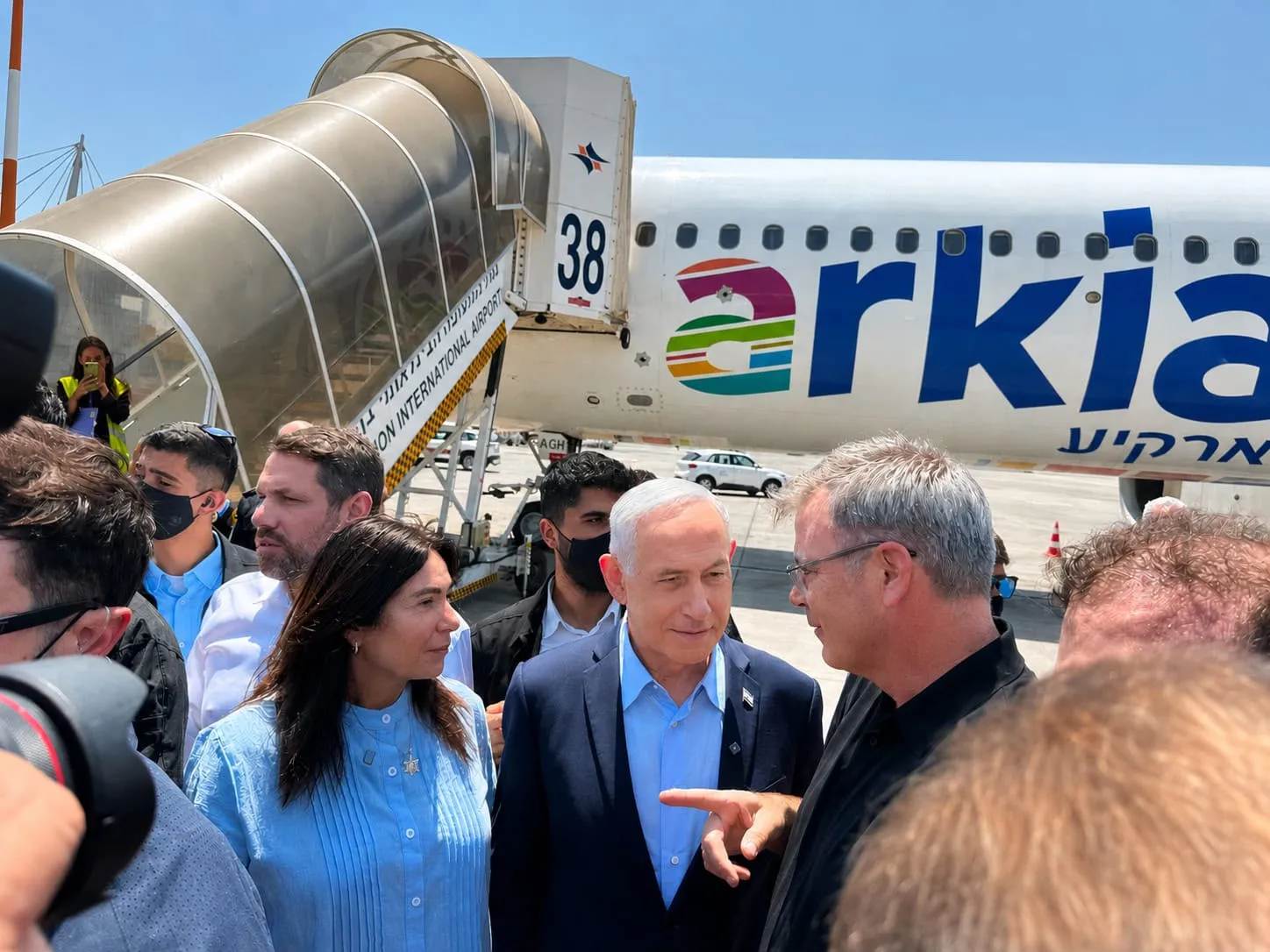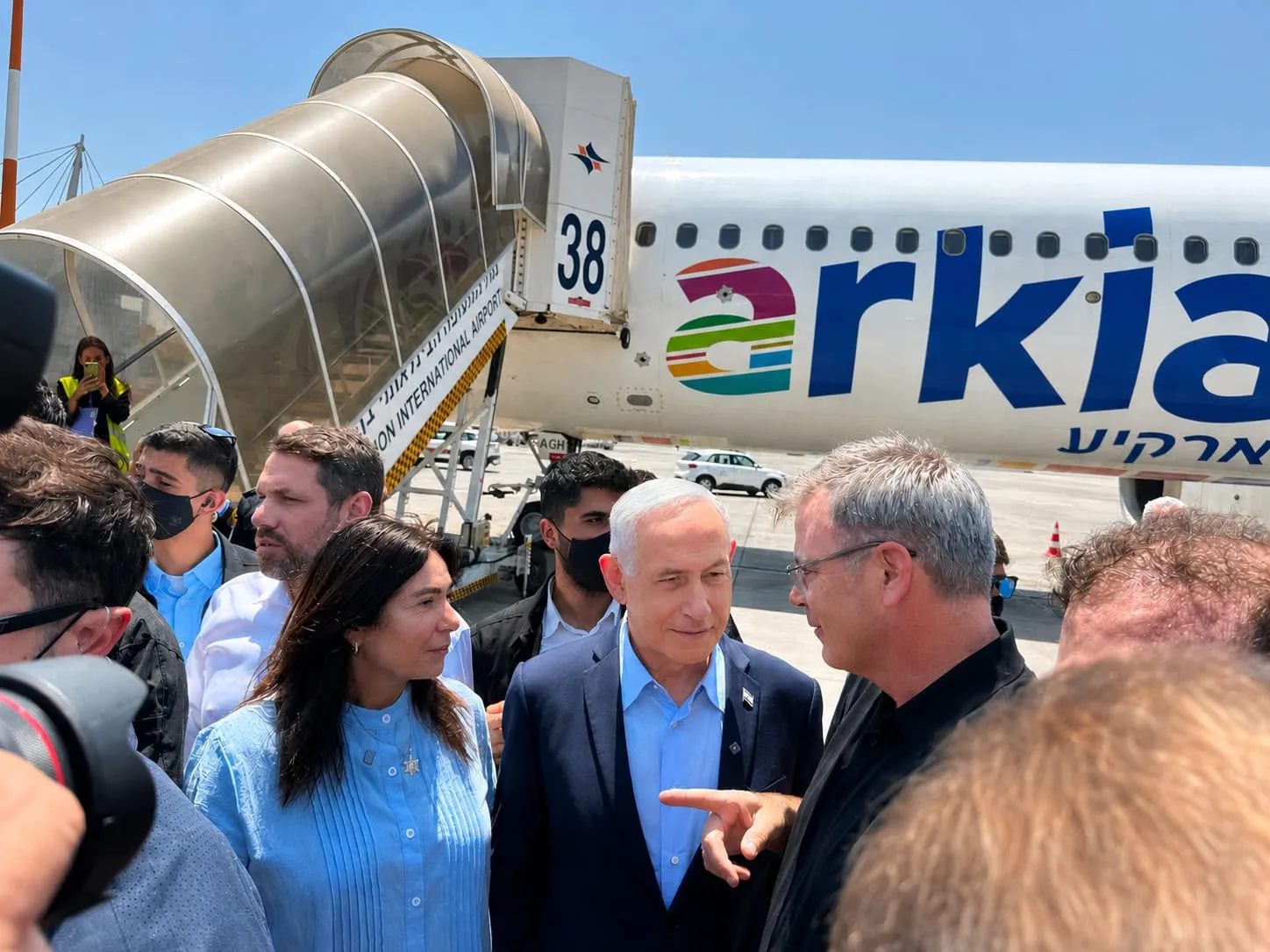

In a striking juxtaposition of political tensions and cultural rituals, Miri Regev, the Israeli Minister of Transportation, arrived at Marrakech Airport on August 19, amidst a backdrop of ongoing protests in Morocco against normalization with Israel and the continuing violence in Gaza. The visit, which her office described as a 'special holiday' intended to revive religious rituals, was later contextualized by an Israeli report from the website The Marker, the economic supplement of the newspaper Haaretz, as part of a complex web of commercial interests, electoral strategies, and political reckonings within the ruling Likud party.
Commercialization of Religious Sites
The report highlights a growing trend where shared memory and the commemoration of saints, previously seen as purely religious acts, have morphed into a burgeoning competitive market. This exploitation hinges on the premise that 'every new site garners its own updated spiritual narrative.' Such narratives foster communities that rapidly generate political power, which is subsequently harnessed to serve commercial interests. Consequently, 'every place of worship is essentially a revenue-generating property, and the act of remembrance translates to business development in every sense of the word.'
As the market within the occupied territories became saturated, attention turned towards Morocco, a country housing a vibrant scene of tombs associated with what are referred to as 'righteous Jewish saints.' The report underscores that the spiritual returns are secondary to the construction of networks of relationships, with many Israelis flocking to these sites 'to see others and to be seen by others.'
The Israeli newspaper aligns the rush of Israeli politicians and high-ranking officials to Morocco following the formation of the right-wing government with strong rumors of a 'market distribution process among sponsors,' where factions of 'vote contractors' have secured shares of future government contracts under the guise of participating in 'Hilula' celebrations.
The Timing of the Rabbi's Tomb and Political Implications
Prominently featured in the report is the tomb of Rabbi Khalifa Ben Malka, an 18th-century poet and religious figure now interred in a renovated complex in Agadir, which is described as one of the most promising sites in this emerging 'business.' The timing of the resumption of direct flights by Arkia Airlines to Marrakech is deemed coincidental, occurring simultaneously with the Hilula of 'Rabbi Rakhbam' (Rabbi Khalifa Ben Malka) on the third of the Hebrew month of Elul (last Sunday), with Miri Regev at the forefront of this inaugural flight.
The Marker notes that Regev did not travel alone on this 'holiday'; she was accompanied by a dubious delegation comprising high-ranking ministry officials and what are described as influential 'vote contractors.' Among the entourage were senior officials from her ministry, including the director-general Moshe Ben Zaken and other key figures responsible for transportation and public services.
Among the notable travelers was Amit Sharaf, head of the Ashdod Port Workers' Committee, who claimed his trip was entirely personal. However, the report reveals that Sharaf mobilized between 700 and 900 votes from port workers and their families during the Likud primaries, helping Regev secure a fourth-place finish. In return, he received significant advantages, including additional docks for Ashdod Port and concessions regarding privatization plans, alongside oversight of employment through labor contracts.
The chaotic and opportunistic nature of the trip was further underscored by reports indicating that a prominent Israeli criminal named 'Chiko Bet Ada,' linked to a notorious gang, was also en route to participate in the Hilula in Agadir but was denied entry by Moroccan authorities.
In response to the backlash, Regev’s office contended that 'attempting to politicize Jewish participation in a Moroccan Jewish Hilula is absurd,' yet the report from the Israeli newspaper emphasizes that 'the matter is not merely political; it is pure business, and its commercial nature is indeed troubling.'
As Regev arrived in Marrakech aboard the inaugural direct flight from Arkia Airlines, which resumed operations between Tel Aviv and Morocco following a suspension due to the war, the coincidental timing with the Hilula of Rabbi Khalifa Ben Malka, who lived in the 18th century, adds layers of significance to the event. The site is presented as part of a growing landscape of Jewish memory, heritage sites, and religious visits.
In Morocco, Regev's visit has sparked widespread protests and criticism from anti-normalization activists, expressing their discontent with the presence of a prominent figure from Benjamin Netanyahu's government during a time of ongoing Israeli military actions in Gaza.
As reported by thevoice.ma.