
The Decline of Marrakech: A City in Turmoil
Marrakech, a city that once thrived with cultural richness and architectural beauty, now grapples with significant urban and managerial challenges that have persisted for years. This once-vibrant metropolis is now mired in a reality where rapid wealth accumulation seems unjustified, overshadowing the historical essence that once defined it. The city laments its past, burdened by those who have compromised its present, turning it into a mere shadow of its former self. Once celebrated as a beacon of prosperity and a cultural hub, Marrakech now struggles under the weight of a hybrid culture and an African urban identity that lacks the ambition necessary for sustainable growth. The cacophony of modern life drowns out the voices of intellectuals who fought to preserve the city's historical and cultural legacy, leaving a haunting silence in their wake.
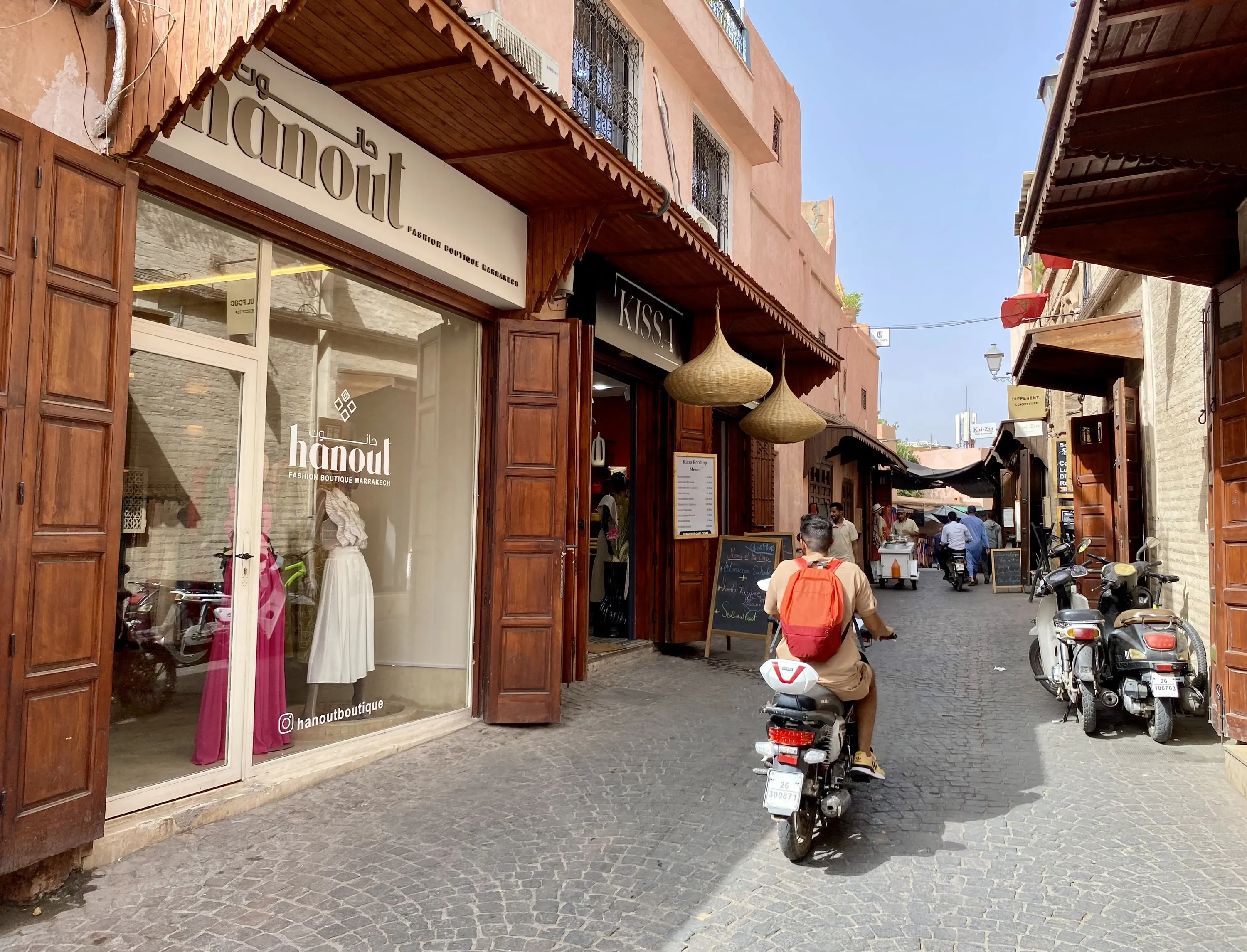
As one navigates the streets of Marrakech, there is an overwhelming sense of chaos brought on by reckless motorcycle riders and the frantic pace of life that seems to be a race against time. The absence of responsible governance is palpable, with political figures seemingly indifferent to the city’s plight. The historical significance of Marrakech, once the capital of powerful empires, appears forgotten as various political entities and electoral candidates show little regard for the rich heritage that shapes the city.
Urgent Need for Reforms and Accountability
The current state of disarray in Marrakech demands urgent attention and reform. The city is in desperate need of effective management strategies that prioritize rational governance and a deeper understanding of its cultural history. The historical landmarks and the stories of its influential figures are overshadowed by the chaotic present, leading many to believe that Marrakech has become a mere reflection of disorder. The transformation of Marrakech into a site of architectural ugliness is alarming, with only a handful of areas benefiting from royal oversight and restoration efforts. The construction projects that are meant to uplift the city often drag on indefinitely, leaving residents frustrated as they wait for improvements in transportation, urban infrastructure, and the preservation of historical sites.
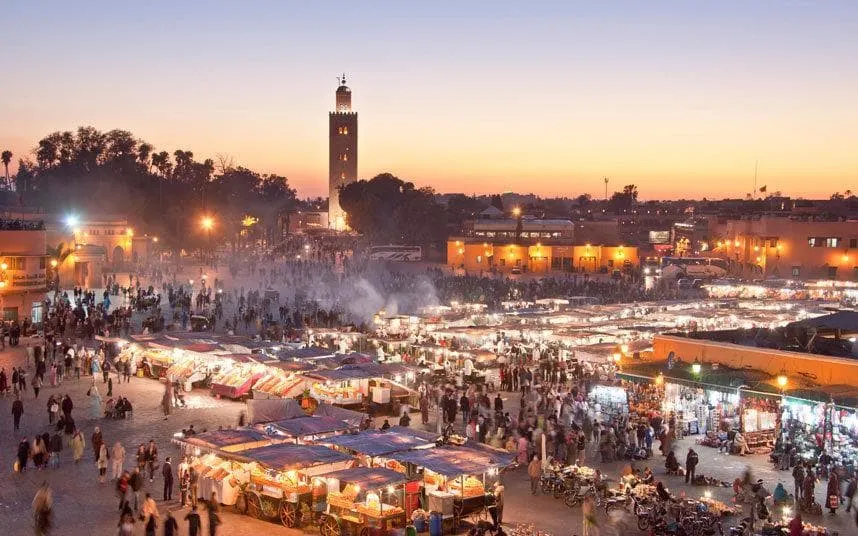
Recent heavy rains exposed the inadequacies in the restoration of key public spaces, such as the iconic Jemaa el-Fnaa square, which suffered from poor project oversight that failed to meet essential technical standards. The need for independent agencies to oversee project implementation is clear, ensuring professionalism and shielding these endeavors from the whims of those lacking expertise in urban development. The principle of accountability must be upheld to protect citizens from the excesses of a political elite that has often failed to fulfill its responsibilities.
Marrakech, a city that once held the title of the capital of empires, now waits anxiously for a resolution to the challenges posed by those who do not hold its interests at heart. The citizens of Marrakech yearn for a political landscape that prioritizes accountability and responsibility. In the interim, it is imperative for the residents to awaken from their slumber, rally together, and revive the city that has been a cornerstone of tourism and cultural heritage. They must work to reclaim the dream once envisioned by their predecessors who resisted colonial forces and the local collaborators who betrayed their own. The need for profound reforms that empower skilled youth and women in all national institutions is now more crucial than ever, as the city strives to reclaim its rightful place as a symbol of cultural pride and progress.
As reported by siyassi.com.