
Pedro Sánchez Highlights Crisis in Ceuta at the UN
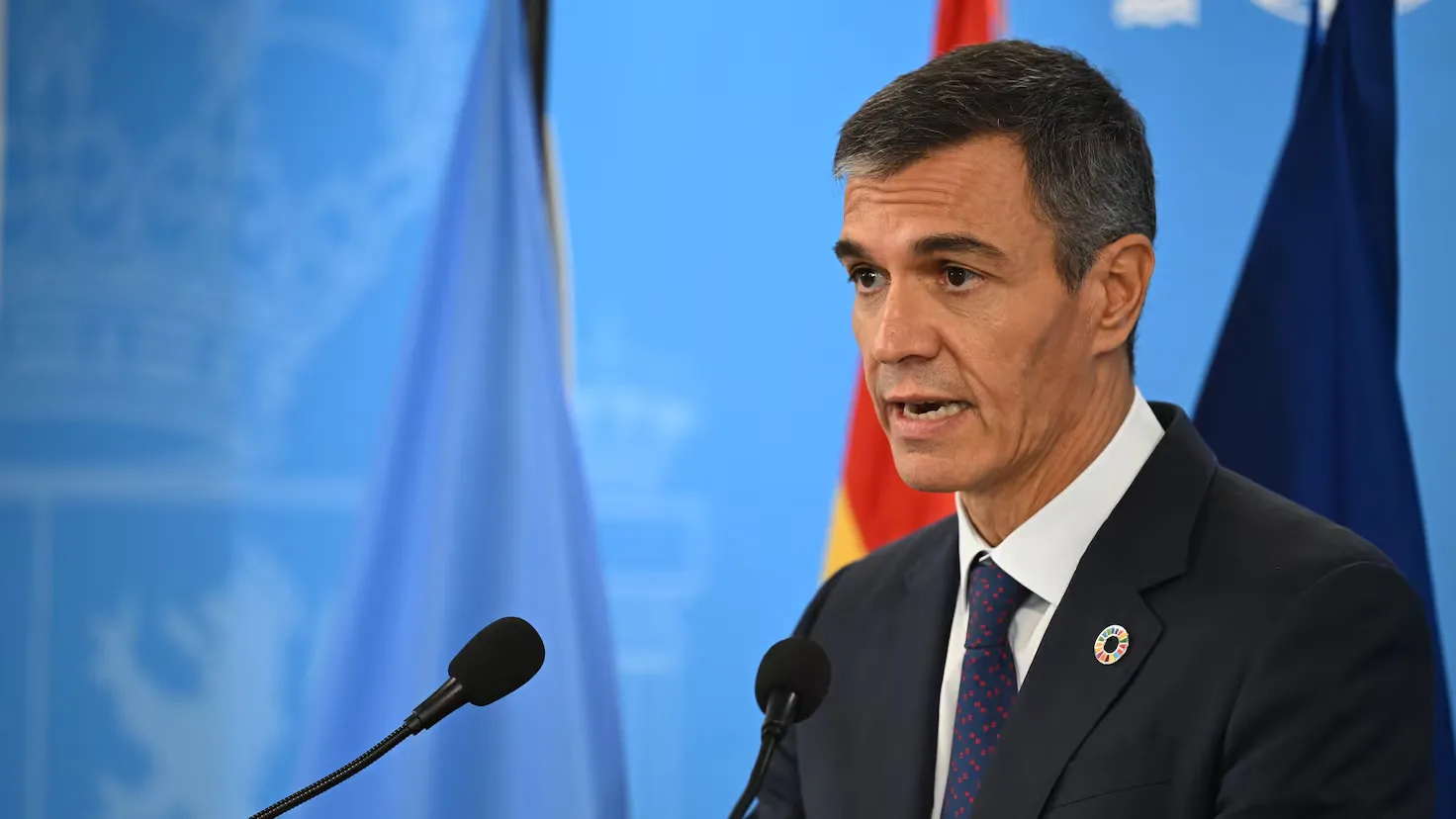
In a recent address to the United Nations General Assembly, Spanish Prime Minister Pedro Sánchez emphasized the critical situation in Ceuta, characterizing it as one of the most significant irregular migration crises in recent years. He attributed this turmoil to factors such as inequality, desperation, and disinformation, which he argues have exacerbated the challenges faced by the autonomous city. Sánchez urged the international community not to succumb to fear, convert migrants into adversaries, or violate legal norms amidst this crisis.
"The inequalities, desperation, and disinformation have fueled one of the largest irregular migration crises in recent years," Sánchez stated, painting a dire picture of the current state of Ceuta. He further asserted that the temptation in such trying times is to take shortcuts—yielding to fear and compromising legal standards. However, he made it clear that Spain and Ceuta will not follow this path, highlighting that the residents of Ceuta are successfully confronting the crisis while upholding decency, legality, and human rights.
Current Political Developments and Election Context
The political ramifications of the situation in Ceuta are further intensified as Spain approaches its general elections. The crisis has left an indelible mark on the political agenda, prompting various parties to articulate their positions and propose measures to support the autonomous cities of Ceuta and Melilla. The ongoing tension with Morocco regarding the sovereignty over these cities has been a longstanding issue since 1956, complicating the political landscape further.
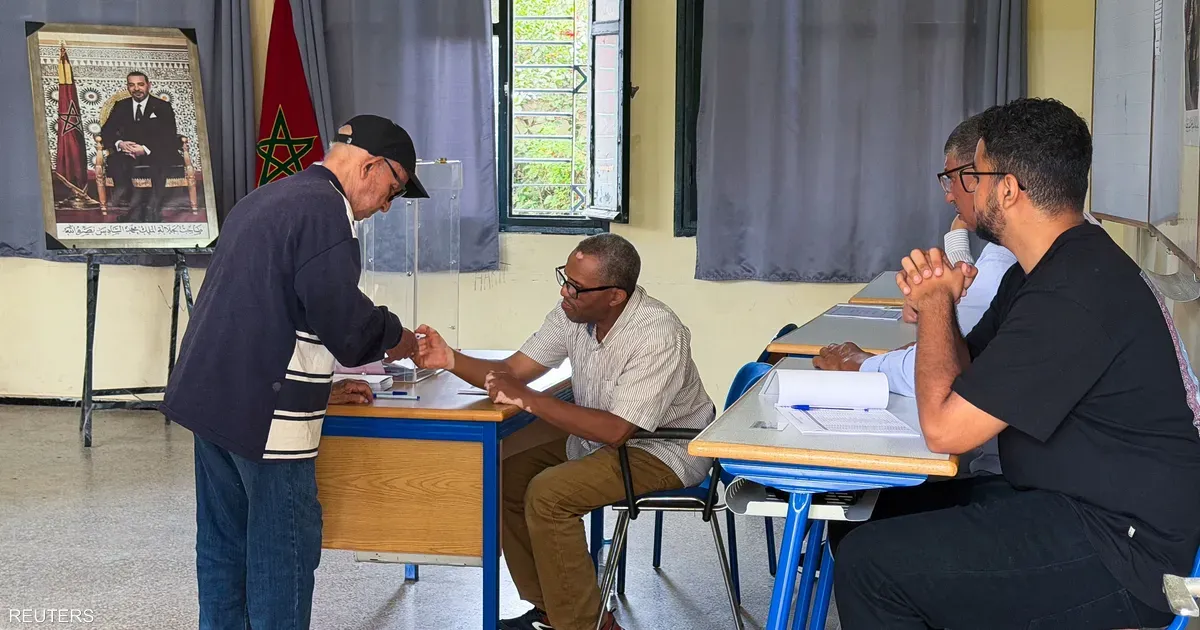
In the backdrop of these events, recent legislative elections in Morocco saw an unprecedented abstention rate of nearly 62%, marking the highest in two decades. The Party of Authenticity and Modernity (PAM), part of the outgoing government coalition, emerged victorious despite the low voter turnout. This political shift adds another layer of complexity to the relationship between Spain and Morocco, particularly concerning the governance of Ceuta and Melilla.
In summary, as the situation in Ceuta continues to evolve, it remains a focal point of both domestic and international political discourse, influencing election strategies and party positions. The challenges posed by the ongoing migrant crisis necessitate a collaborative and humanitarian approach, as outlined by Sánchez in his recent statements at the UN.
As reported by as.com.