
The Political Landscape Surrounding Ceuta's Migration Crisis
The ongoing migration crisis in Ceuta has escalated into a significant political issue, particularly for the Popular Party (PP) in Spain, which aims to leverage the situation to undermine Morocco's standing within European institutions. This strategy is evident in various media reports, op-eds from notable columnists, and television appearances. Most notably, a letter from the Moroccan Mission to the European Union was sent to hundreds of Members of the European Parliament (MEPs) — excluding those from the PP, Vox, and Sumar — asserting Morocco's innocence regarding the migration situation in Ceuta.
This Thursday, the European Parliament is set to vote on a resolution regarding the recent surge of migrants entering Ceuta, driven by the European People's Party. They anticipate garnering support from liberal groups, the Greens, and even some socialists, alongside the far-right factions. The resolution will demand that Rabat not only honors its commitments to border management, migrant returns, and cooperative migration policies but also refrains from questioning Spain's sovereignty over its two autonomous cities.
Electoral Motivations and Historical Context
The PP's initiative primarily serves electoral purposes, as many within the party may not realize the potential advantages it could offer should they win the legislative elections in 2027. A member of the conservative party's leadership explained that a strong message is being sent from Strasbourg to Rabat, indicating that any provocations would be met with a decisive response. The original sin, according to the PP, was Morocco's closure of the Melilla customs office on August 1, 2018, which had operated satisfactorily for both sides for a century and a half. The Spanish government's failure to respond led Moroccan authorities to believe they could exploit the relationship with Spain for greater gains, a mistake the PP is determined not to repeat.
Long before the PP escalated the Ceuta issue to the European Parliament, Moroccan media had already begun attacking the party's leader, Alberto Núñez Feijóo, along with several of its MEPs, and criticizing the President of Ceuta, Juan Jesús Vivas. The rhetoric intensified over the past weekend, with articles highlighting the lack of evidence backing the accusations against Morocco, framing the situation as a political maneuver within the European Parliament.
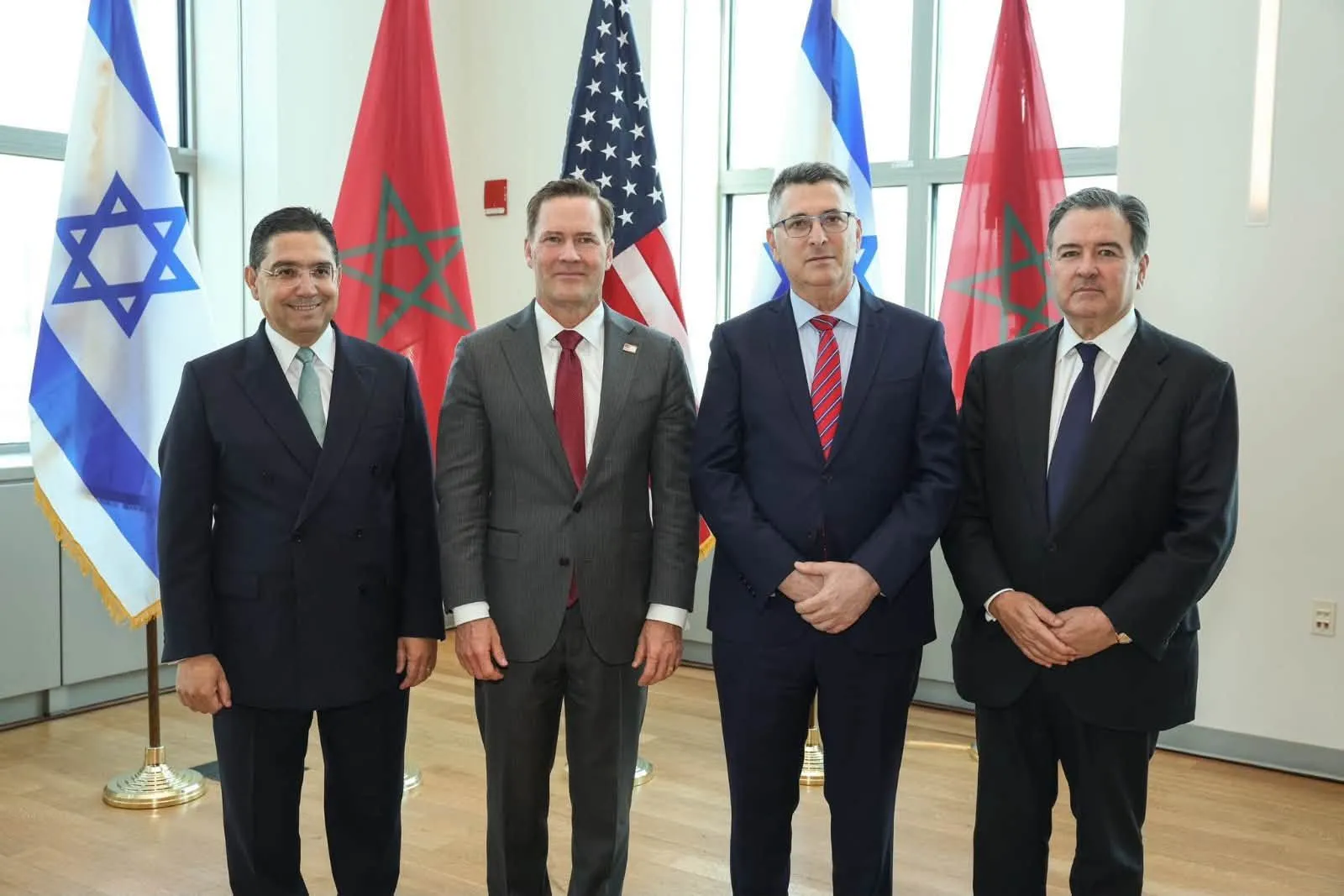
In the face of this escalating narrative, the Moroccan Foreign Minister, Nasser Bourita, has been actively communicating with European capitals, emphasizing that the events in Ceuta are a bilateral issue that neither government wishes to internationalize. He reiterated Morocco's willingness to readmit all immigrants who entered the city, promising compliance similar to their actions in 2021. As diplomatic tensions rise, Morocco is preparing a counteroffensive, likely mobilizing its parliament to adopt a resolution that rejects the European Parliament's stance, particularly as it approaches its own elections.
As reported by elconfidencial.com.