
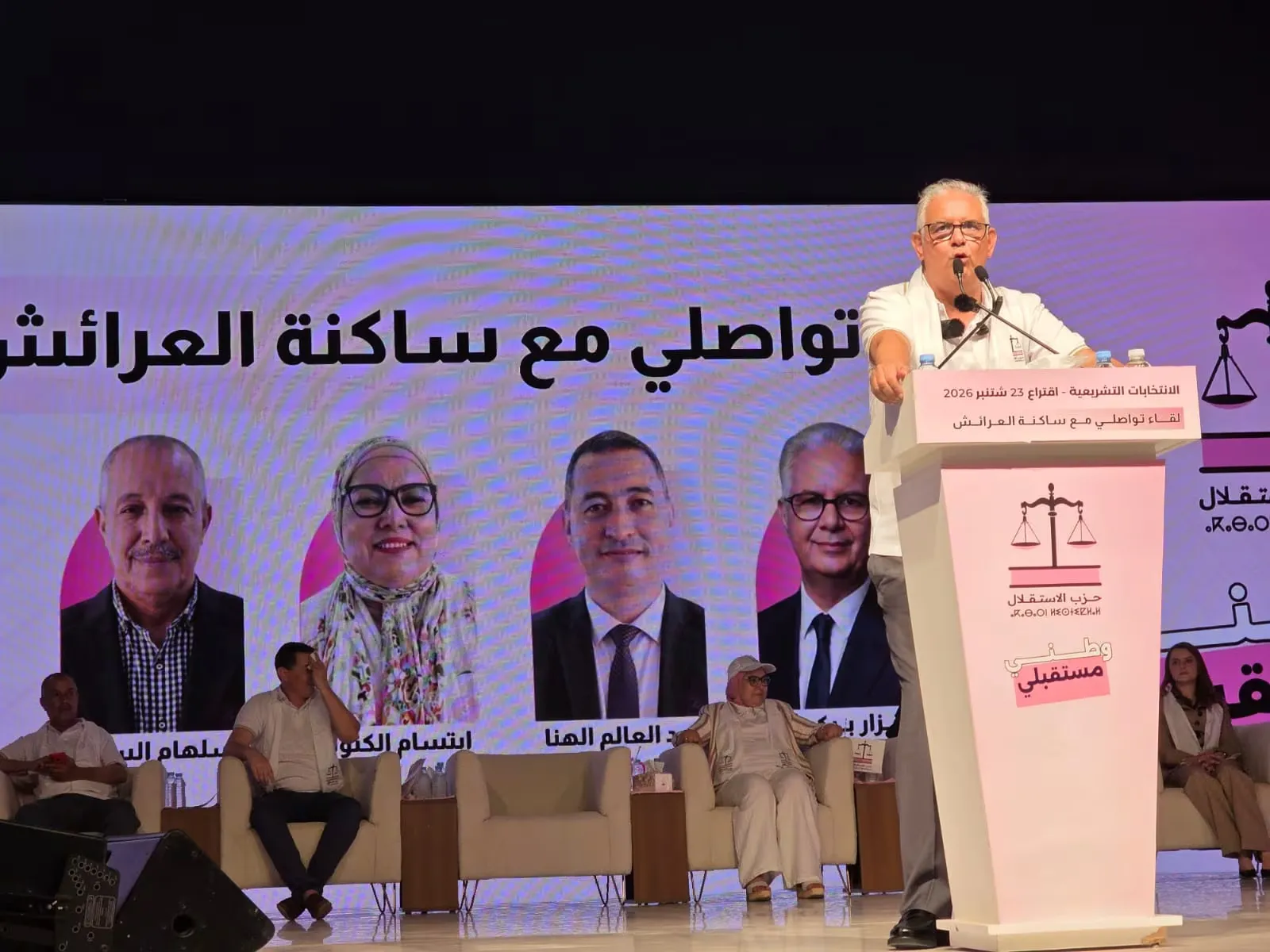

Unprecedented Decline in Istiqlal's Strongholds
The recent electoral results have unveiled a significant decline in the Istiqlal party's influence, particularly in its historical strongholds such as Casablanca and Fès. These cities had long been the epicenters of Istiqlal's political might, but the latest elections have dramatically reshaped the landscape. In Casablanca, for instance, the loss of the Casa-Anfa constituency stands out as a striking symbol of this decline. Hassan Berkani, who served as the president of the Casablanca-Settat Chamber of Commerce, failed to retain his seat as a representative of the Istiqlal party. Instead, the four parliamentary seats in this area were claimed by candidates from the Justice and Development Party (PJD), the Authenticity and Modernity Party (PAM), the Left Alliance, and the National Rally of Independents (RNI).
Historically, Casa-Anfa had been a bastion for Istiqlal, having seen the election of notable figures such as Yasmina Baddou, a former Minister of Health, and Ahmed Kadiri, who played a significant role in local politics as the head of the Maârif municipality. The loss in such a significant area raises questions about the party's future prospects in urban politics.
Declining Influence in Fès and Internal Challenges
Fès has also emerged as a crucial indicator of the Istiqlal party's waning power. The party had aspired to regain its former dominance in this city but faced setbacks during the elections held on September 23. In the Fès-South constituency, Allal Amraoui, who was the president of the Istiqlal parliamentary group in the House of Representatives, lost his seat. The party now holds only one seat in Fès-North, which was won by Hassan Slighoua. Amraoui’s defeat is particularly notable given his prominence within the party, marking a significant shift from the days when Fès was a stronghold for Istiqlal under the leadership of figures like Hamid Chabat.
Further complicating matters, Rime Chabat, the daughter of the former party leader, has shifted her political allegiance, winning a seat in Fès-North under the banner of the Popular Movement after previously serving in the legislature with the Democratic Forces Front. This change underscores the fragmentation of Istiqlal's traditional voter base and raises concerns about the party's ability to adapt to the evolving political climate.
The September 23 elections have not only highlighted individual defeats but have also triggered broader questions regarding the erosion of the Istiqlal party's urban foothold. While the party still maintains significant positions in several regions of Morocco, particularly in some southern and northern provinces, it appears to be losing ground in urban areas where its electoral legacy had previously been solidly established. This decline prompts scrutiny regarding the party's capacity to effectively address the political concerns of its constituents, particularly in light of pressing issues that have fueled voter dissatisfaction.
Moreover, the party's muted response to critical topics—such as the management of public spending and the effectiveness of programs aimed at supporting purchasing power—has contributed to a perception of detachment from the electorate. The ongoing debate surrounding the approximately 280 billion dirhams allocated over the past five years for consumer support, alongside questions about transparency in public expenditure, illustrates the challenges that the Istiqlal party faces in restoring its credibility and relevance.
As reported by fr.le360.ma.
