
Political Unity Amidst Crisis
In an unusual display of political unity, Spanish lawmakers from both the far-left Sumar party and the far-right Vox party are urging the Spanish government to reconsider its agreement to co-host the 2030 FIFA World Cup with Morocco. This call for action follows a significant migrant crisis that unfolded in Ceuta, a Spanish enclave located on the northern coast of Africa, where approximately 72,000 migrants crossed into the territory in late July. The situation has heightened tensions between Spain and Morocco, prompting these parties to submit separate non-binding motions questioning Morocco's involvement in the World Cup hosting agreement alongside Spain and Portugal.
While these motions do not have the power to enforce any changes to the hosting agreement, they underscore the political ramifications of the migrant crisis, which has momentarily bridged the divide between parties that typically stand on opposite ends of the political spectrum. Sumar's argument posits that Morocco should not gain the prestige and economic benefits associated with hosting such a prominent event while its handling of the migration crisis remains under scrutiny. Similarly, Vox has expressed its concerns, labeling Morocco as an unreliable partner and asserting that the recent events in Ceuta have undermined the trust necessary for a successful joint candidacy.
Government's Stance and International Relations
Despite the mounting pressure from opposition parties, Prime Minister Pedro Sánchez's government has refrained from directly attributing blame to Morocco for the migrant influx. Spanish Foreign Minister José Manuel Albares described the occurrence as "highly unusual," yet acknowledged Morocco's cooperation in managing the situation and facilitating the swift return of most migrants. He has also called for solidarity among European Union member states, emphasizing that Ceuta and Melilla represent a part of the EU's external border.
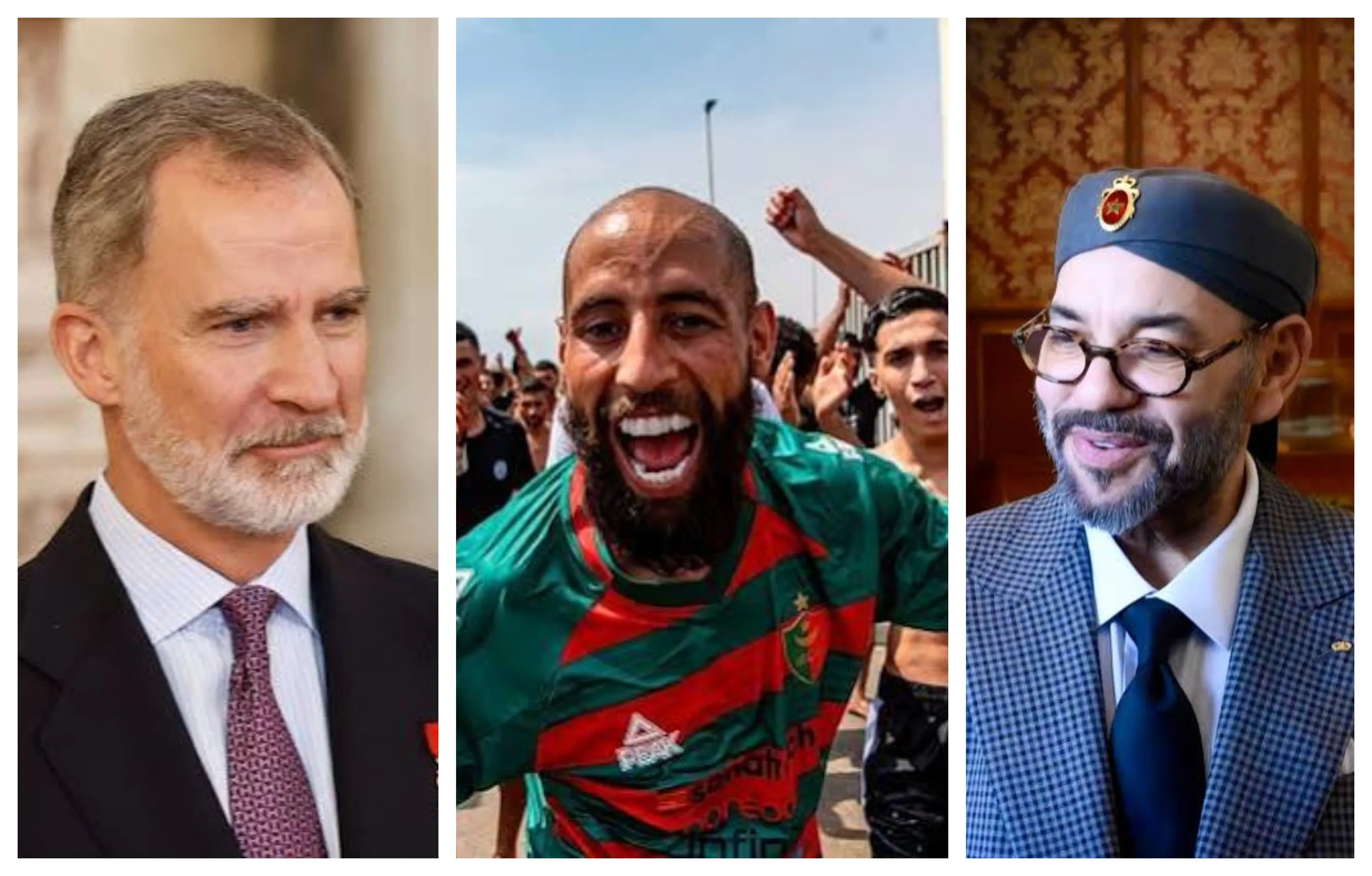
The diplomatic relationship between Spain and Morocco remains delicate, particularly as Spain navigates European demands for stricter border controls. Nevertheless, official ties have not been severed. During the crisis, King Felipe VI of Spain extended his congratulations to King Mohammed VI of Morocco, expressing hopes for strengthened ties based on brotherhood and cooperation.
The ramifications of the current political climate extend beyond immediate border concerns, as Morocco's ambitious plans for the World Cup face scrutiny. The tournament represents a significant opportunity for Morocco, being only the second African nation, following South Africa in 2010, to host World Cup matches. The country is investing in infrastructure developments, including a new stadium complex, the Grand Stade Hassan II, near Casablanca, which is expected to become one of the largest football venues globally. However, with no indication from FIFA regarding the reassessment of the hosting agreement, the future of this high-profile event remains uncertain amid the ongoing political tensions.
As reported by africa.businessinsider.com.