
Spain Faces Political Backlash Amid Ceuta Migrant Surge
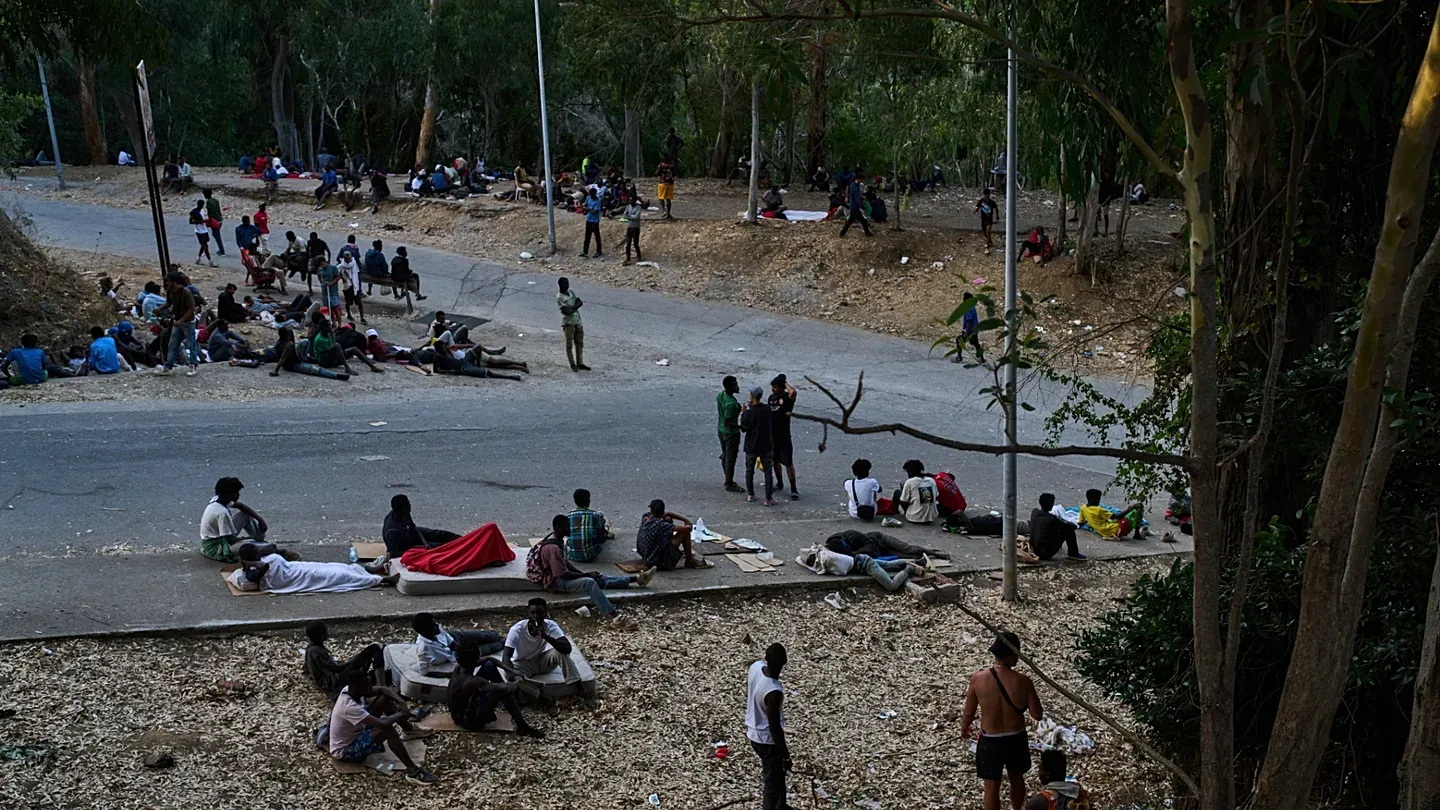
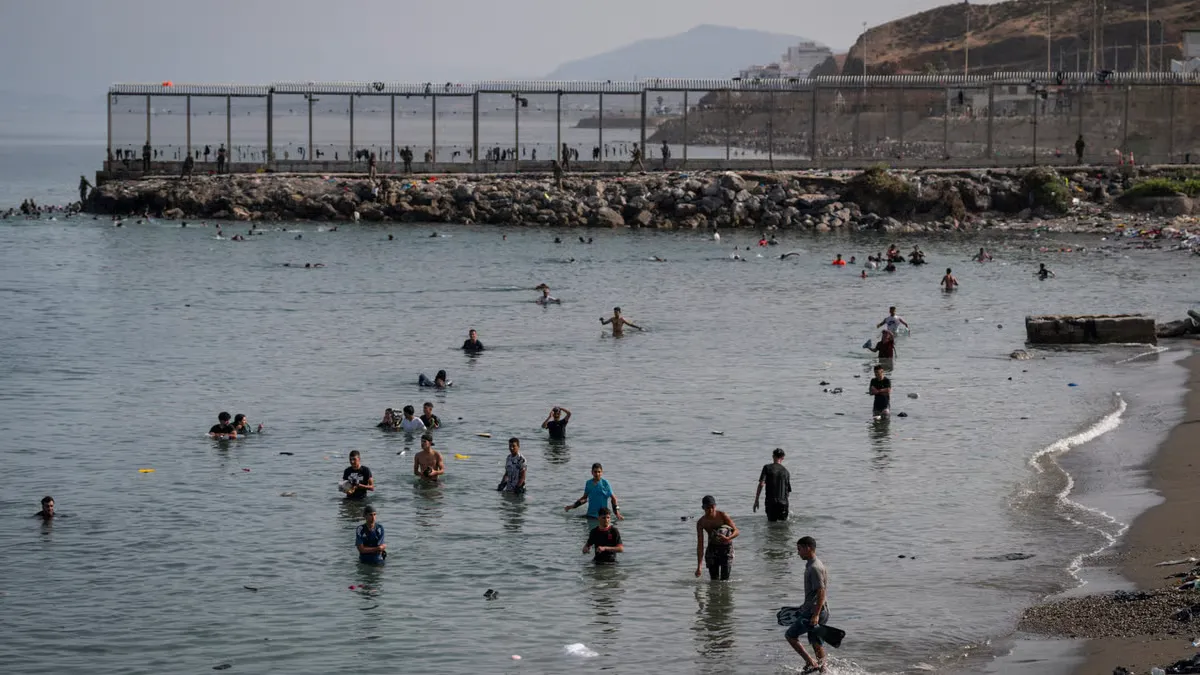
The recent surge of approximately 50,000 migrants into the Spanish exclave of Ceuta has ignited a political storm in Spain, with Prime Minister Pedro Sánchez navigating a delicate diplomatic landscape. While Sánchez has refrained from directly blaming Morocco, instead attributing the influx to human traffickers, politicians from both the left and the right are increasingly vocal about the need for accountability from Rabat. The situation escalated dramatically when reports indicated that 88 individuals lost their lives during this chaotic event, calling into question Morocco's role in managing its borders. As the crisis unfolded, the Spanish Civil Guard noted that Moroccan gendarmes, typically responsible for border security, had abandoned their posts, raising suspicions that such a significant movement of people could not have occurred without tacit approval from Moroccan authorities, especially given Morocco's claim over Ceuta and Melilla as occupied territories.
Diplomatic tensions have been exacerbated by speculation regarding Morocco's motives, particularly in light of Spain's warming relations with Algeria, a country that supports self-determination for Western Sahara—a region claimed by Morocco. Eduardo Rubiño, a member of the left-wing Más Madrid party, stated, "Let’s call things by their name: Morocco is using human beings to attack our sovereignty." Ceuta's Mayor, Juan Jesús Vivas, echoed these sentiments, asserting that the crisis could not merely be classified as a migration issue, as it appeared that Moroccan authorities had either facilitated or allowed the situation to escalate. Vivas acknowledged the necessity of maintaining cordial relations with Rabat, yet he emphasized that Morocco's actions have demonstrated unreliability.
Spain's Diplomatic Balancing Act
Throughout this crisis, the Spanish government has prioritized diplomatic relations with Morocco over direct blame. A representative from Spain's foreign ministry affirmed that the relationship with Morocco remains strong, particularly in terms of cooperation on migration issues. During a visit to Ceuta, Sánchez characterized the situation as an attack on Spain's territorial integrity, attributing it to human trafficking networks rather than Moroccan complicity. He expressed gratitude towards Morocco for assisting in the repatriation of those who crossed the border illegally.
On the Moroccan side, Interior Ministry Spokesperson Rachid El Khalfi attributed the sudden influx of migrants to misleading social media posts that suggested easy access to Europe. He reiterated Morocco's commitment to being a reliable partner in combating irregular migration and human trafficking. Meanwhile, Spanish opposition leader Alberto Núñez Feijóo called for clarity regarding the failures in cooperation with Morocco, arguing that Spain has the right to demand accountability for border security obligations. Feijóo expressed a desire for a cooperative relationship with Morocco but insisted that certain actions must be addressed with a firm response.
The criticism directed at the Sánchez government has primarily focused on its failure to predict and prepare for the migrant surge, rather than solely on Morocco. The Spanish Interior Minister, Fernando Grande-Marlaska, acknowledged that the National Intelligence Center did not provide timely warnings about potential developments on the border. However, intelligence sources indicated that there had been prior alerts regarding the risk of mass entry. Critics within the People’s Party accused the government of negligence, arguing that warnings had been ignored and calling out Sánchez for a lack of transparency.
As Spain grapples with the fallout from this crisis, the European Union is set to scrutinize Madrid's handling of the situation in upcoming meetings. EU leaders have criticized Spain for perceived lapses in border control and have suggested that recent policy changes regarding unauthorized migrants may have contributed to the crisis. Spanish Foreign Minister José Manuel Albares defended the country’s approach, asserting that Spain has the lowest number of irregular entries via the Mediterranean route. He maintained that the EU should support Spain in safeguarding its borders, while also acknowledging Morocco's ongoing cooperation in managing the situation.
As reported by politico.eu.