
The situation in the Spanish enclave of Ceuta has escalated dramatically following the arrival of approximately 70,000 migrants from Morocco, leaving around 5,000 individuals stranded in the streets and on the beaches one month later. Local residents have voiced their discontent regarding the government's handling of the crisis. On Thursday morning, Prime Minister Pedro Sánchez defended Morocco amid mounting pressure from both right-wing and far-right factions in Spain, highlighting the political ramifications of this humanitarian emergency.
The influx of migrants has sparked significant unrest, culminating in protests across various Spanish cities, including Ceuta, where around 50,000 demonstrators rallied, chanting slogans such as "expel the invaders!" to express their frustration with the government's response. Protesters have articulated feelings of abandonment, with one stating, "We feel neglected, as if we are second-class citizens. They must take action for Ceuta; they cannot leave people on the streets or leave the residents unprotected." Another Madrid resident lamented the government's lack of preparedness, criticizing Sánchez for not deploying the military and law enforcement to manage the unprecedented influx effectively.
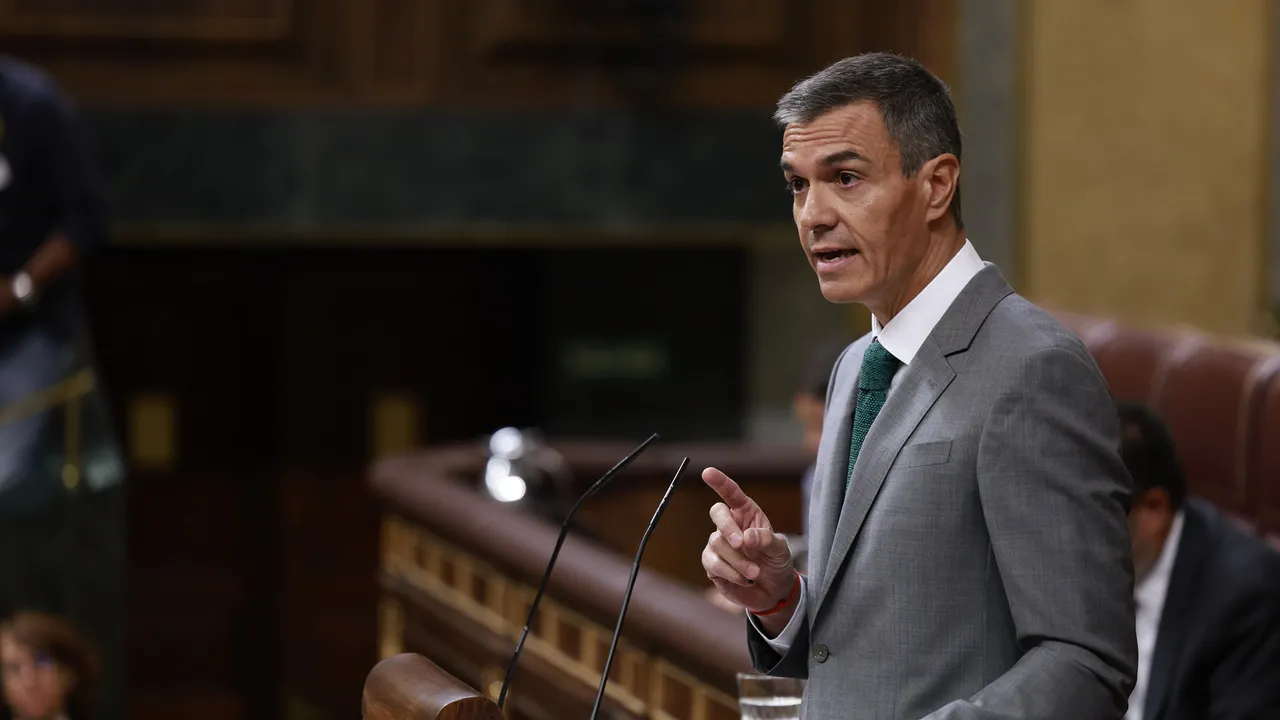
Amid these allegations of governmental inadequacy, Sánchez faced criticism in parliament, where he defended his administration's actions, asserting that there is "no evidence" implicating Morocco in facilitating the migrant surge. The controversy intensified following the leak of a police report revealing a possible leniency among Moroccan law enforcement towards the migrants. In a recent radio interview, Sánchez reiterated his position, claiming that if solid evidence existed, the government would respond decisively, emphasizing that there were no prior reports predicting the scale of the migrant influx.
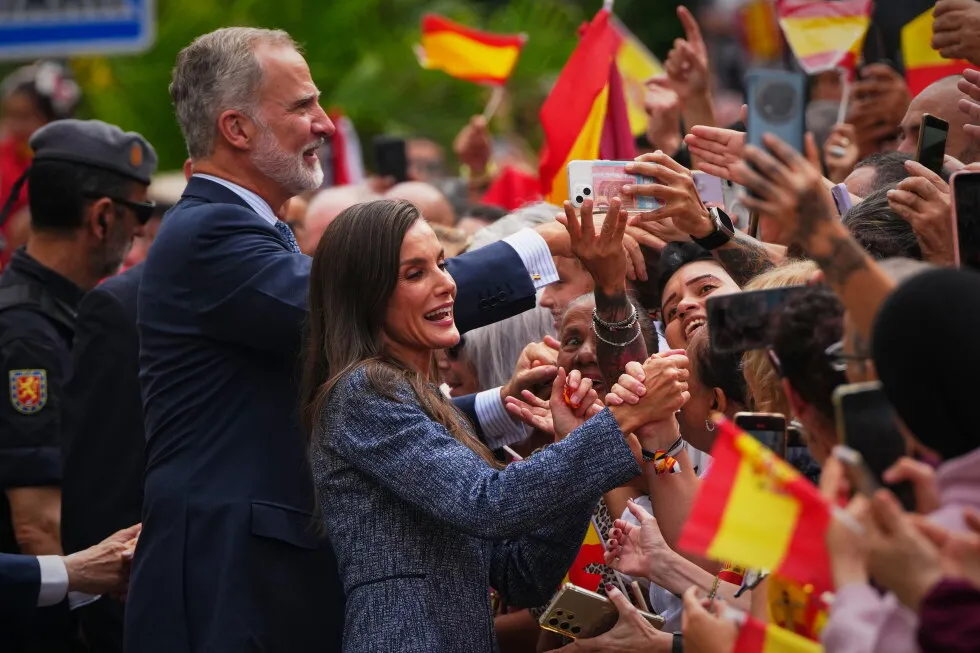
Despite the prime minister's attempts to alleviate concerns, he condemned the "unacceptable" statements made by two Moroccan ministers who have claimed sovereignty over Ceuta and Melilla, two Spanish enclaves situated within Moroccan territory. Justice Minister Abdellatif Ouahbi recently asserted Morocco's historical and geographical claims to these territories. In response, Sánchez firmly stated, "For centuries, these two cities have been Spanish, and I assure you that, for the Spanish government, they will remain so for all time." He also urged King Felipe VI of Spain to visit Ceuta and Melilla in the coming weeks to reaffirm the state's commitment to these regions.
Nonetheless, Sánchez's interventions have not swayed the opposition, with the leader of the Popular Party calling for his resignation, citing incompetence or complicity with Morocco. This ongoing political crisis illustrates the complex interplay between national security, humanitarian responsibilities, and international relations as Spain navigates the challenges posed by mass migration.
As reported by rts.ch.