The recent surge of approximately 80,000 individuals crossing from Morocco into the Spanish enclave of Ceuta has ignited a significant national security crisis in Spain, prompting intense scrutiny of Prime Minister Pedro Sánchez's policies and diplomatic relations with Morocco. This dramatic influx, which led to over 100 fatalities, has been described by Sánchez as a "violation of Spain’s territorial integrity." In the aftermath, internal divisions within the Spanish cabinet have surfaced as ministers scramble to identify the causes behind this event, pointing fingers at human smuggling networks and even external influences, such as Russia and Israel, while some critics direct their ire towards the Moroccan government, which asserts sovereignty over both Ceuta and Melilla.
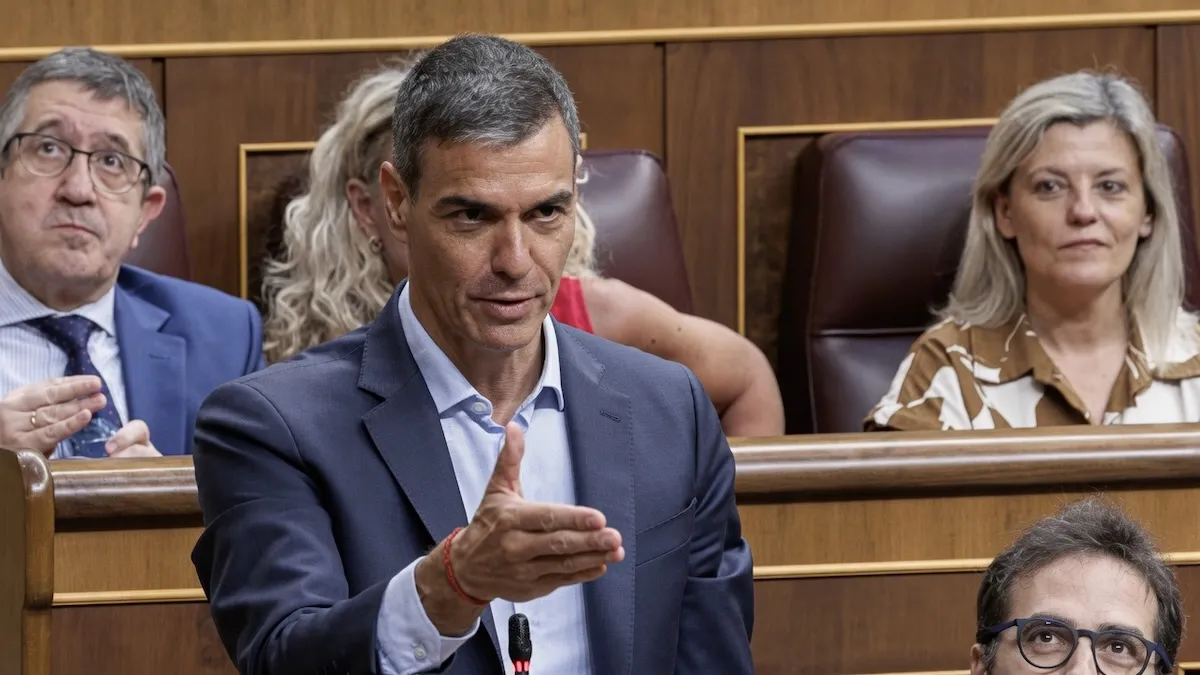
In a parliamentary session held a month after the crisis, Sánchez faced mounting pressure to clarify the government's stance regarding Morocco's involvement in the incident. He asserted that there was no "solid evidence" to implicate Rabat in orchestrating the crossings, labeling Morocco as a "trustworthy ally." However, his claims contradicted a police report that implicated Moroccan security forces in planning and facilitating the migration towards the heavily secured border. Despite acknowledging that Moroccan gendarmerie allowed crossings to occur over a span of 10 hours, Sánchez refrained from outright condemning the Moroccan authorities for their roles in the crisis. This has drawn skepticism from political figures across the spectrum, with leaders from both the conservative and far-left factions questioning the effectiveness of Sánchez's longstanding policy of friendship with Morocco, suggesting it may have inadvertently emboldened the kingdom's aggressive stance.
On the left, there is a clear call for transparency regarding Morocco's actions during this crisis. Lawmakers are urging Sánchez to reevaluate Spain's diplomatic approach, especially given the backdrop of a significant policy shift in 2022 regarding Western Sahara, which some perceive as a concession to Moroccan pressures following previous migrant crises. As Spain grapples with the implications of this recent migration surge, Sánchez has promised to declassify intelligence reports related to the crisis, aiming to demonstrate that the government had not received prior warnings about the impending influx. Nevertheless, the political landscape remains fractious, with leaders demanding accountability and a reassessment of Spain’s diplomatic strategies regarding Morocco.
As reported by eurasiareview.com.