Reform Plans for Morocco's Public Financial Sector
The National Agency for the Strategic Management of State Holdings (ANGSPE) is gearing up for a significant redesign of the architecture of Morocco's public financial sector. Following a strategic study initiated in late 2025, the findings are expected to be unveiled in the second half of 2026. This comprehensive assessment aims to propose restructuring scenarios that enhance the coherence and effectiveness of public interventions in service of investment, further solidifying Morocco's financial landscape.
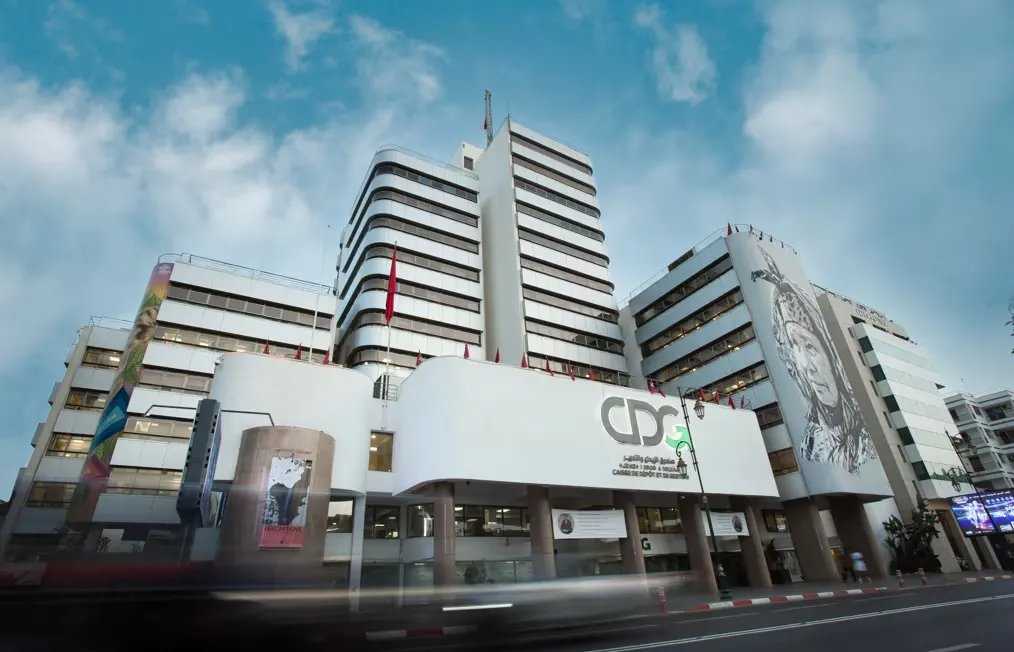
Ten key institutions are under review, including the Caisse de dépôt et de gestion (CDG), Crédit Agricole du Maroc (CAM), the Fund for Municipal Equipment (FEC), Tamwilcom, Barid Al-Maghrib, the Mohammed VI Investment Fund, the Hassan II Fund for Economic and Social Development, Ithmar Al Mawarid, the Moroccan Society of Tourism Engineering (SMIT), and Maroclear. These entities are crucial components of the public financial pole, and their restructuring is anticipated to lead to a more integrated approach in addressing the economic needs of the country.
Strategic Goals and Future Outlook
This initiative, as highlighted in the recent ANGSPE report published on October 22, aims to reform public enterprises and institutions in alignment with the State's shareholder policy. The goal is to establish a cohesive vision that encompasses finance, investment, funding, and guarantees, thereby remedying the fragmentation of interventions and the overlap of missions among various actors with differing statuses and mandates. While this diversity may cater to specific needs, it can also result in redundancies and suboptimal use of public resources.
The forthcoming diagnosis will assess the missions, economic models, and financial soundness of the involved organizations, as well as their capacity to mobilize funding, generate dividends, and support the competitiveness of Morocco's economy. Based on this analysis, the study is expected to propose several reconfiguration scenarios, ranging from a refocusing of missions to the restructuring of certain entities. The overarching aim is to create a more efficient and integrated public financial pole, equipped with coherent governance and enhanced monitoring and evaluation mechanisms.
This reorganization is a direct response to the considerable investment needs anticipated over the next decade, particularly with the upcoming 2030 World Cup and the transitions in energy, digital, and industrial sectors. The State aims to optimize its financing instruments while also promoting the mobilization of private capital for productive investment, thereby ensuring a robust economic future.
By the second half of 2026, the conclusions drawn from this initiative are expected to present a public financial architecture tailored to national priorities, with a long-term vision extending to 2030-2040. The ambition is to bolster the contributions of these institutions to economic financing, enhance public action efficiency, and maintain the sustainability of state finances.
As reported by fr.le360.ma.