
Political Turmoil: The Debate Over Leadership in Moroccan Politics
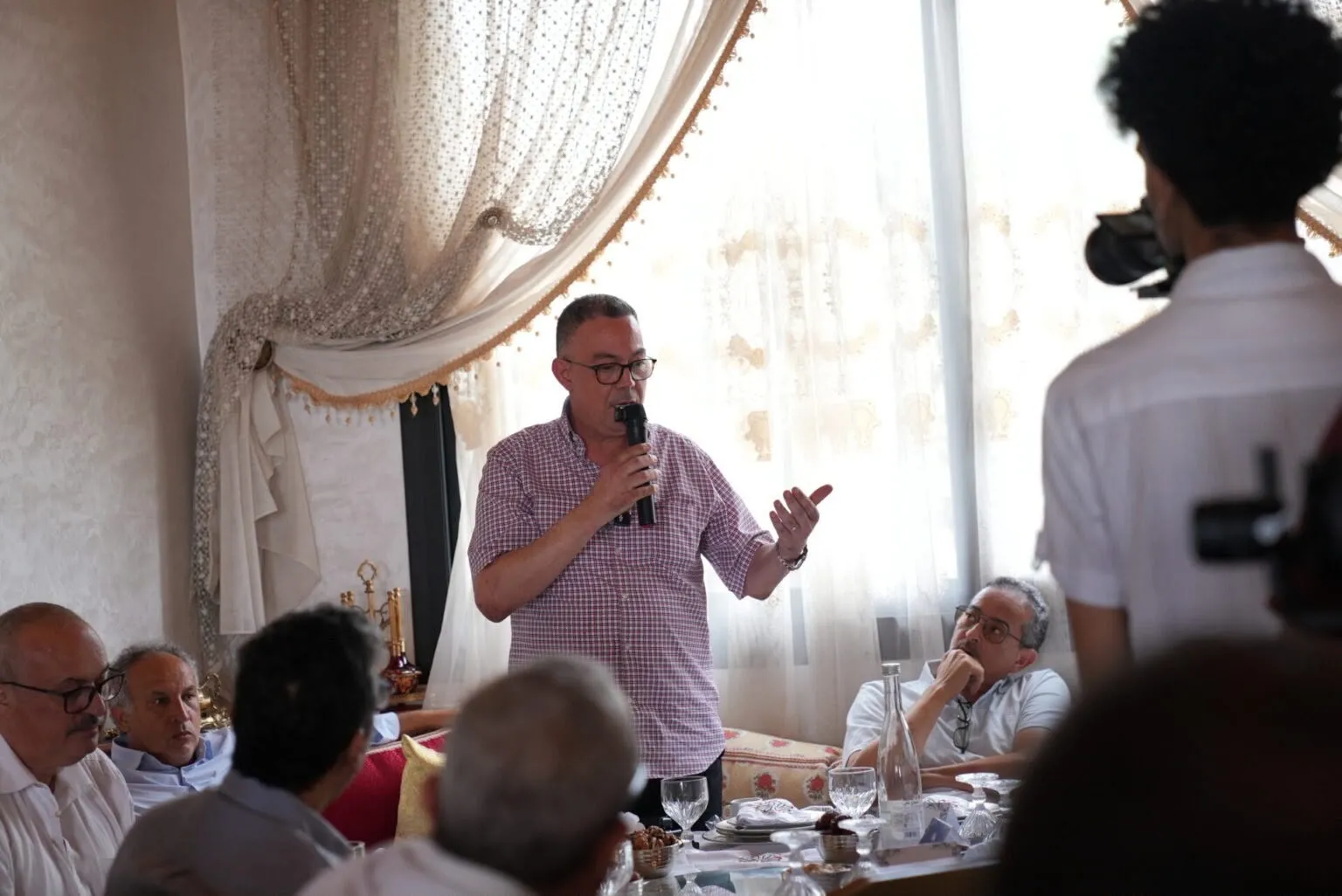
In the latest developments within Moroccan political circles, the Party of Authenticity and Modernity (PAM) has found itself in the spotlight following a recent statement responding to remarks made by Rachid Talbi El Alami, a prominent member of the National Rally of Independents (RNI). During a political meeting on August 25, 2026, Talbi El Alami's comments were deemed by many as lacking depth and seriousness, particularly in the context of the party's leadership and its recent actions. The PAM's statement, characterized by its somewhat chaotic structure, reflects the party's internal struggles, especially following the controversial inclusion of Fouzi Lekjaa, often referred to as the "joker" of Moroccan politics.
The PAM's leadership, embroiled in accusations of self-interest, appears to have overlooked significant issues such as the alleged conflicts of interest involving Fatima Zahra Mansouri, the national coordinator of the tripartite leadership. This situation has raised eyebrows, particularly regarding her dual role as mayor of Marrakech and the implications of her decisions regarding land use and development plans. The party's lack of defense for Mansouri during a crucial time when accusations regarding her leadership surfaced, contrasts sharply with their vocal support for her when allegations were made.
Talbi El Alami's speech included a fierce critique of Fouzi Lekjaa, prompting a defensive response from PAM members who dismissed his claims as mere fabrications. Among these claims was the assertion that some members, including notable figures like Bouchaib El Amrani, were subjected to undue pressure from influential circles within the party. This scenario has sparked debates about the authenticity of internal party dynamics and whether genuine dialogue and persuasion are being prioritized over intimidation and coercion.
Critics of PAM have pointed out that the party's attempts to promote political integrity and transparency ring hollow in light of their failure to defend key figures that could revitalize their image. It has been suggested that without Lekjaa's influence, PAM would struggle to secure electoral success, as his leadership has been credited with generating significant momentum for the party. The contrasting leadership styles of Lekjaa and the current PAM leadership highlight a rift that could hinder the party's effectiveness moving forward.
As the political landscape in Morocco continues to evolve, the PAM's response to the recent criticisms and internal challenges will likely shape its future trajectory. The ongoing debates underscore the need for a re-evaluation of leadership strategies and a more cohesive approach to addressing the intricate issues facing Moroccan politics today. As reported by goud.ma.