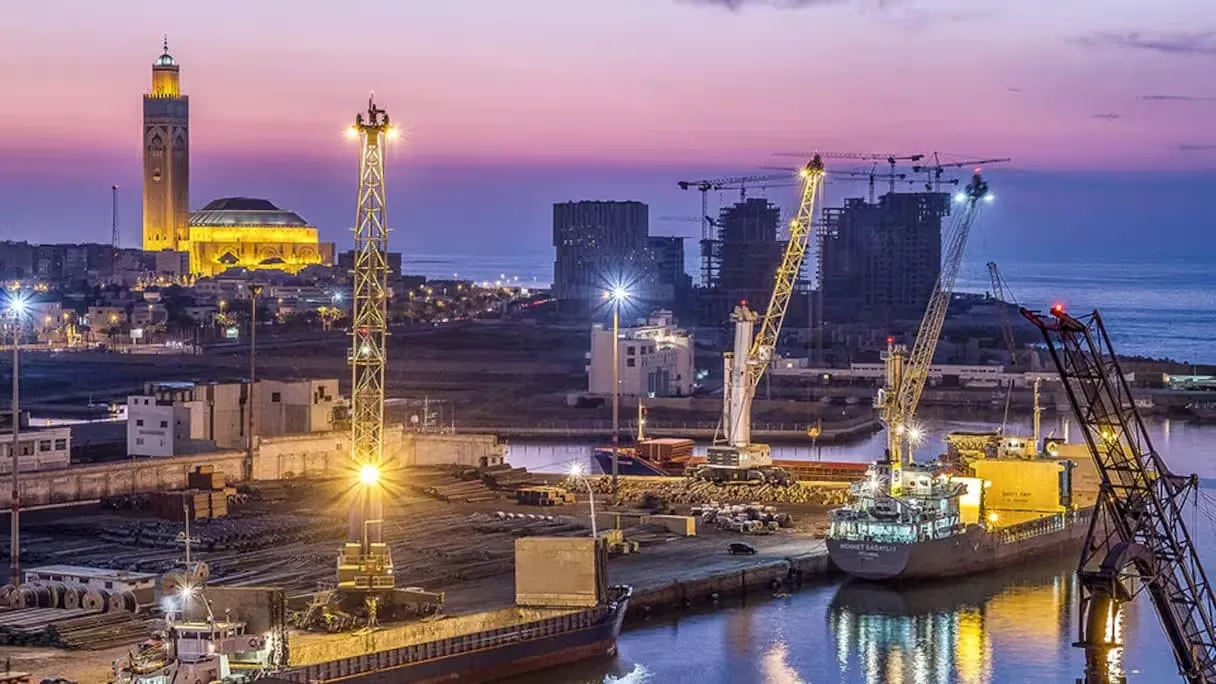

Major Congestion at the Port of Casablanca
The Port of Casablanca is currently grappling with significant congestion, resulting in ships having to wait more than 30 days to unload their cargo. This alarming situation has recently been highlighted within the maritime sector and pertains to one of Morocco's primary gateways for goods. According to reports, this slowdown is severely impacting the logistical operations related to the Kingdom's foreign trade. For shipowners, shippers, and importers, these extended waiting times are causing disruptions in maritime rotations, leading to increased holding costs and mounting pressure on delivery timelines. In an economic climate where port fluidity is critical, such delays can have far-reaching implications.
Understanding the Logistical Strains at Casablanca's Port
The congestion at a major port like Casablanca typically results from a combination of factors. An uptick in arrival volumes, temporarily saturated processing capacity, organizational constraints on the quays, and delays in cargo retrieval can collectively slow down the entire supply chain. In the case of Casablanca, this congestion occurs at a platform that plays a central role in importing goods intended for the national market. The port handles a significant share of containerized flows, industrial products, raw materials, and consumer goods. When a ship remains anchored for several weeks, the repercussions extend beyond the shipowner. Additional costs can be passed on to importers and subsequently to transport operators, warehouses, and ultimately to the costs borne by specific sectors. Prolonged delays can also disrupt the supply chains of businesses reliant on regular deliveries.
Beyond the current episode, this situation underscores the performance challenges faced by major port facilities. The Port of Casablanca remains a strategic link for the Moroccan economy, but the operational pressures it faces require a constant adaptation of capacities, coordination among stakeholders, and effective management of both land and maritime flows.
As reported by lebrief.ma.