Portugal Explores Major Land Link with Morocco
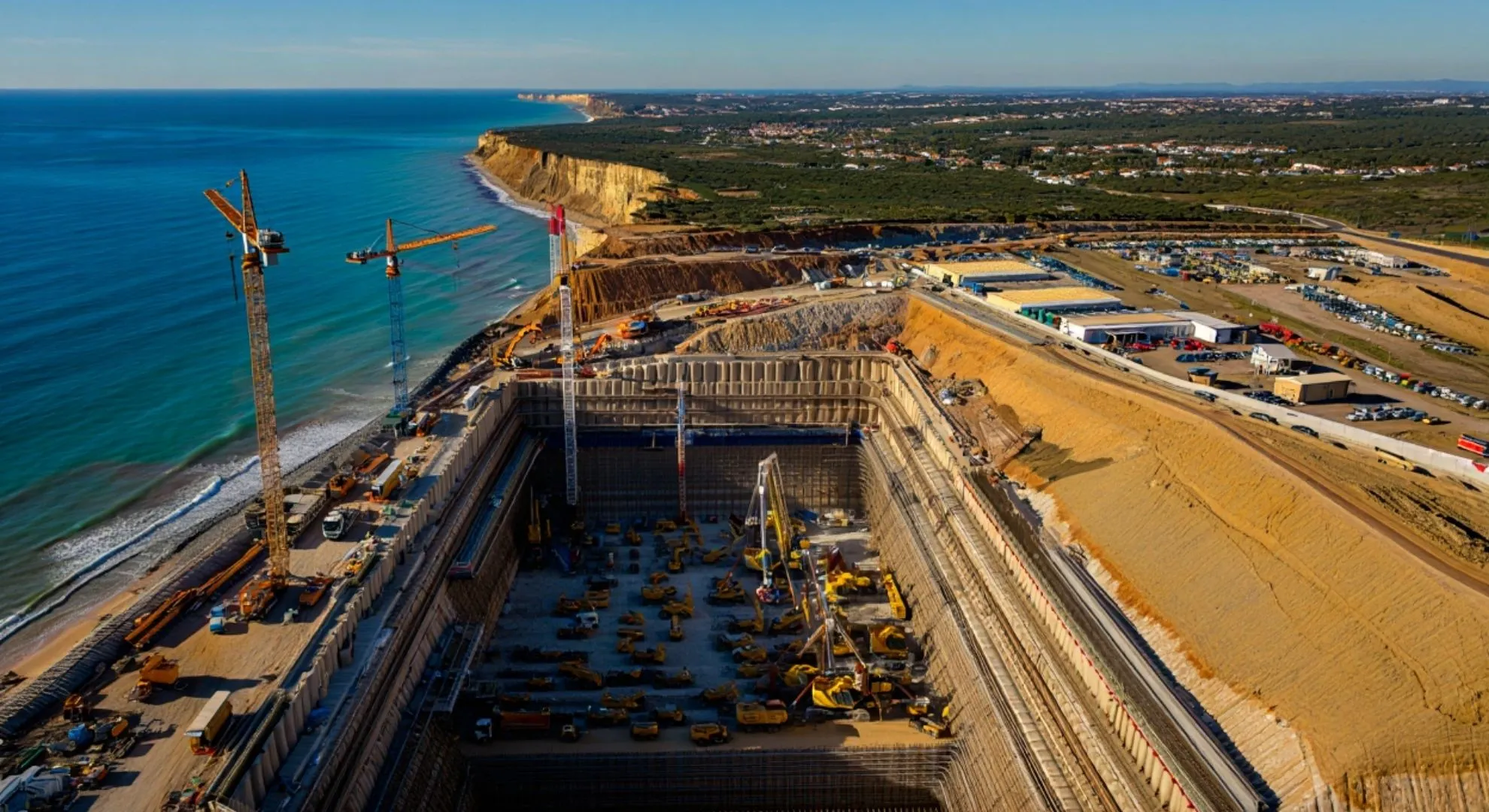
Recent discussions in Europe have reignited interest in significant transport projects between the Mediterranean shores, particularly regarding the conceptualization of a direct corridor connecting Morocco and Portugal through an undersea tunnel. This ambitious plan is part of a broader initiative aimed at reshaping trade and transport routes between Africa and Europe, ultimately enhancing economic connectivity in the region. According to reports from Portuguese media, this proposed project has advanced beyond mere speculation, entering a more concrete phase involving preliminary studies and technical designs. Initial cost estimates for the project have surpassed €800 million, which would encompass preliminary studies, infrastructure preparation, and the necessary facilities for future operational efficiency.
The proposed link aims to create a direct transport corridor between Tangier in northern Morocco and the southern coasts of Portugal. This development would establish a new access point for the movement of people and goods, facilitating connections between ports, industrial zones, and logistical hubs on either side of the route. Preliminary designs suggest a dual tunnel structure featuring separate lanes for each direction, alongside a dedicated emergency lane. Such design choices are intended to ensure uninterrupted service and enhance safety standards. Additionally, the project plans to incorporate modern systems for monitoring, ventilation, and early warning, as well as dedicated internal protective spaces to manage emergencies effectively.
If this project is officially approved, it is expected to be executed in several phases, commencing with detailed environmental and geological studies, examining the seabed's characteristics, and assessing soil capacity for large-scale construction. Following this, final design plans would be developed, leading to the preparation of access points and connections, followed by excavation and construction phases, and finally, the installation of technical systems and operational testing.
Environmental considerations are anticipated to play a crucial role in determining the project's future, given the ecological sensitivity of the marine areas involved. A thorough evaluation of the construction's impact on marine life, water flow, and natural balances will be vital. Moreover, the project aims to employ technical solutions that minimize emissions and safeguard the surrounding environment.
From an economic perspective, stakeholders believe that this direct connection could significantly enhance trade relations between Morocco and Portugal, streamline existing transport routes, and provide a fresh impetus to ports and industrial platforms. It might also attract new investments in logistics, storage, manufacturing, and international transport sectors. Furthermore, if realized, the project could positively impact the tourism sector by facilitating travel between Moroccan and Portuguese destinations, creating new travel routes that bolster seasonal economic activity and provide a boost for coastal cities.
This conversation comes alongside ongoing interest in the proposed link between Spain and Morocco via the Strait of Gibraltar, a project that has been under observation for several years, especially following the announcement of a joint bid for the 2030 World Cup involving Morocco, Spain, and Portugal.
As reported by assahifa.com.