
Conditional Advancements in the Portugal-Morocco Electricity Link
The proposed electricity interconnection between Portugal and Morocco is poised for potential advancement, contingent upon the availability of European or private-sector financing. This stipulation was articulated by Maria da Graça Carvalho, Portugal’s Minister of Environment and Energy, during a parliamentary session. In her written response to a query from the CDS – Partido Popular (CDS-PP), Carvalho emphasized that the project will only proceed if there is a viable financial backing. This declaration effectively positions the project in a phase of evaluation rather than an immediate commitment to investment. The governments of both nations have been advocating for this initiative since July, highlighting the importance of a comprehensive cost-benefit analysis, a comparison of various technical and financial solutions, and an assessment of interest from grid operators and potential investors, as outlined in the parliamentary documentation.
Future Steps and Strategic Importance
Currently, the specifics regarding the technology and route for the interconnection remain undetermined, with multiple options under consideration. These include a direct link, a collaborative solution involving Portugal, Spain, and Morocco, or engagement with infrastructure led by private entities. In tandem with these developments, Lisbon and Rabat have recently convened to seek recognition from the European Commission, aiming to classify the project as a priority initiative, thereby unlocking access to European funding mechanisms for energy infrastructure projects.
Carvalho expressed caution regarding the potential impact of the interconnection on energy prices for households and businesses, noting that such effects would depend on the required investment, the capacity and utilization of the interconnection, the chosen technological approach, and the financing model employed. The government contends that interconnections foster market integration, promote more efficient energy resource utilization, and ultimately offer benefits to consumers and enhance economic competitiveness. However, it acknowledges that these advantages must be substantiated through a thorough cost-benefit analysis.
On the topic of resilience, the ministry clarified that while an interconnection alone cannot prevent blackouts, it could significantly aid in the rapid restoration of energy supply. The proposed link to Morocco is viewed as an additional, independent energy recovery source, contributing to the diversification and security of supply while bolstering recovery capacity. Moreover, the infrastructure is framed as a complement to enhanced interconnections with Spain and France, in addition to national measures already in place, such as the expansion of power plants with autonomous start capabilities and the implementation of the National Electric System Security Reinforcement Plan.
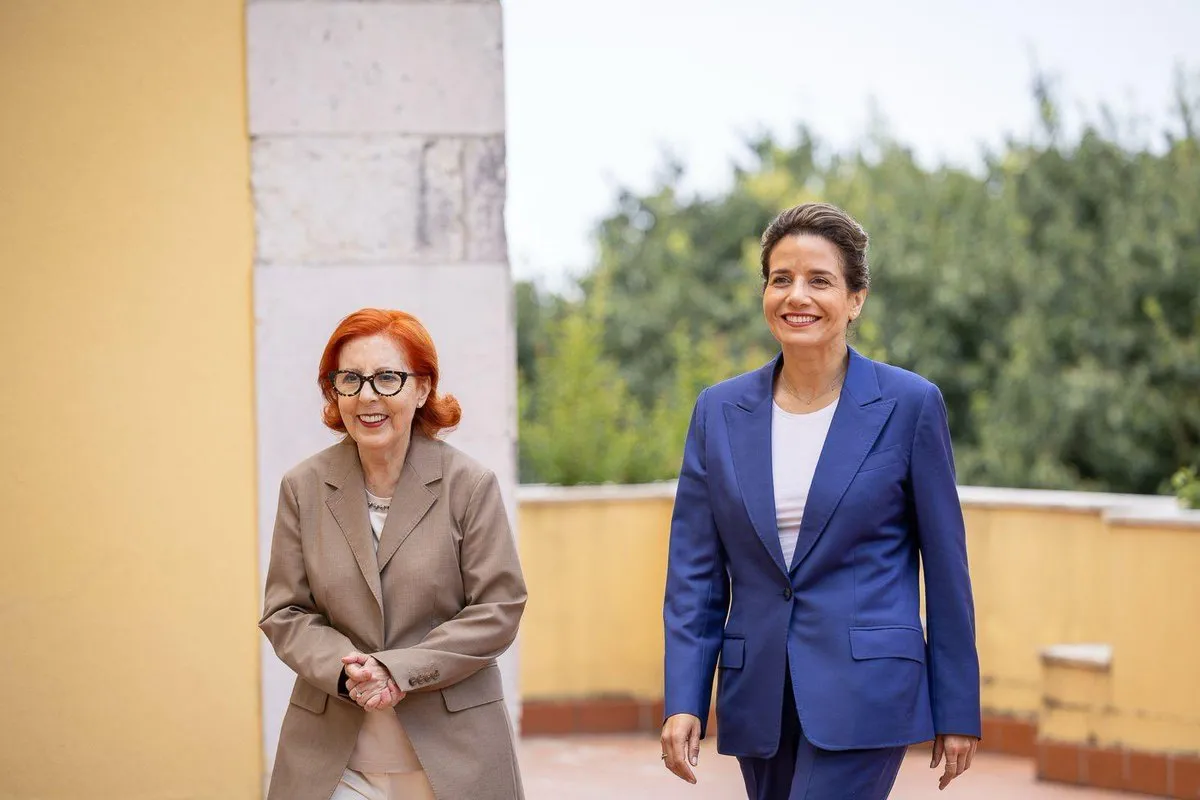
The cautious approach taken by the government builds upon discussions held in July, where Carvalho and Morocco’s Energy Transition Minister, Leila Benali, agreed to pursue the construction of the link and to seek EU support. They also aimed to have the interconnection categorized as an Important Project of Common European Interest (IPCEI), a designation that facilitates access to European co-financing opportunities. Carvalho reiterated the importance of consulting with the European Commission to gauge its interest in recognizing this initiative as a significant European project, emphasizing the need to keep costs manageable for consumers and contributors alike.
The project, originally studied in 2018 with an estimated cost of €800 million ($912 million), has seen renewed interest following the April 2025 blackout that affected Spain and Portugal, which underscored the vulnerabilities in the Iberian Peninsula's energy connections to the broader European grid. As of now, only 3% of Iberia's electricity capacity is linked to neighboring countries, significantly below the EU's target of 15% interconnection by 2030. The decision regarding whether the cable will traverse directly under the sea or utilize existing Spanish infrastructure remains unresolved, with further discussions anticipated at an upcoming meeting in Brussels and a Portugal-Morocco summit scheduled for early 2027.
As reported by moroccoworldnews.com.