
Predator Oil & Gas Prepares for Key Drilling at Guercif
Predator Oil & Gas, a British exploration firm, is making significant strides as it prepares to drill its sixth well at the Guercif site located in northeastern Morocco. This endeavor comes after five previous wells, which confirmed the presence of gas, but failed to establish whether the site could sustain commercial production levels. The forthcoming drilling, particularly the MOU-6 well, is crucial as it has the potential to unlock approximately 2.7 billion cubic meters of additional gas, a substantial increase that could have a transformative impact on Morocco's gas supply landscape.
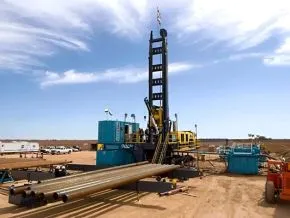
The drilling rig was recently relocated to the MOU-6 site, and geological testing equipment is currently undergoing calibration in anticipation of the drilling process, which is expected to commence shortly. However, time is of the essence; Predator's contract with its drilling contractor, Intrepid Drilling Limited, is set to expire on October 1, creating a narrow window for this critical operation. Additionally, the company is facing mounting pressures related to drilling, licensing, and financial deadlines that extend into the months of September, October, and November.
Since the initiation of exploration activities in 2021, Predator has collaborated with Morocco's National Office of Hydrocarbons and Mines (ONHYM), which holds a 25% stake in the project. Each of the previous wells has confirmed gas presence, yet none have conclusively demonstrated the field's capacity for commercial output. The MOU-6 well aims to target the same geological formations as its predecessors, reaching depths of 950 meters while employing a revised technical design intended to mitigate issues encountered during earlier drilling attempts.
Delays and Challenges Ahead
Originally slated to commence drilling in late 2025, the project has faced setbacks attributed to technical and financial challenges, exacerbated by geopolitical tensions in the Middle East that disrupted critical equipment deliveries through the Strait of Hormuz. Predator has transparently communicated these delays to its investors, underscoring the complexities faced in executing this undertaking.
Furthermore, Predator is under pressure to demonstrate its financial viability to Moroccan authorities by September 30 to secure the renewal of its rights under the Guercif license, which remains valid until November 5. The successful drilling of the MOU-6 well could add significant gas resources that would initially be marketed as compressed natural gas (CNG) to local industrial clients. This model allows for the gas to be stored under high pressure and transported without the need for immediate pipeline infrastructure, a method currently employed in other regions of Morocco.
In the longer term, if the well yields positive results, there are plans to connect the project to the nearby Maghreb-Europe Gas Pipeline, enhancing the supply dynamics for the regional market. This development is particularly vital for Morocco, which currently relies heavily on gas imports to meet its energy needs. The Guercif project, initially considered for sale by Predator, represents a strategic component of Morocco's ongoing efforts to bolster domestic gas production capabilities.
As reported by ecofinagency.com.