
The Enduring Legacy of Traditional Zellige Craftsmanship
The rich heritage of Moroccan zellige, a traditional mosaic art form, is facing unprecedented challenges as mechanization increasingly infiltrates various stages of production. This shift raises significant concerns among artisans who fear the loss of the craft’s uniqueness and the potential erosion of a legacy that has withstood the test of time for over twelve centuries. Abdul Latif Heisouf, a seasoned zellige craftsman with more than 41 years of experience, is one such artisan who has witnessed the evolution of this sector firsthand. Trained under the tutelage of master zellige artisans in the city of Fez, he grew up in workshops, learning the intricate techniques of the trade. Starting with the basics of drawing using bamboo, he honed his skills in outlining and engraving, eventually carving out a notable career that led to the export of Moroccan zellige to Europe, America, and Asia.
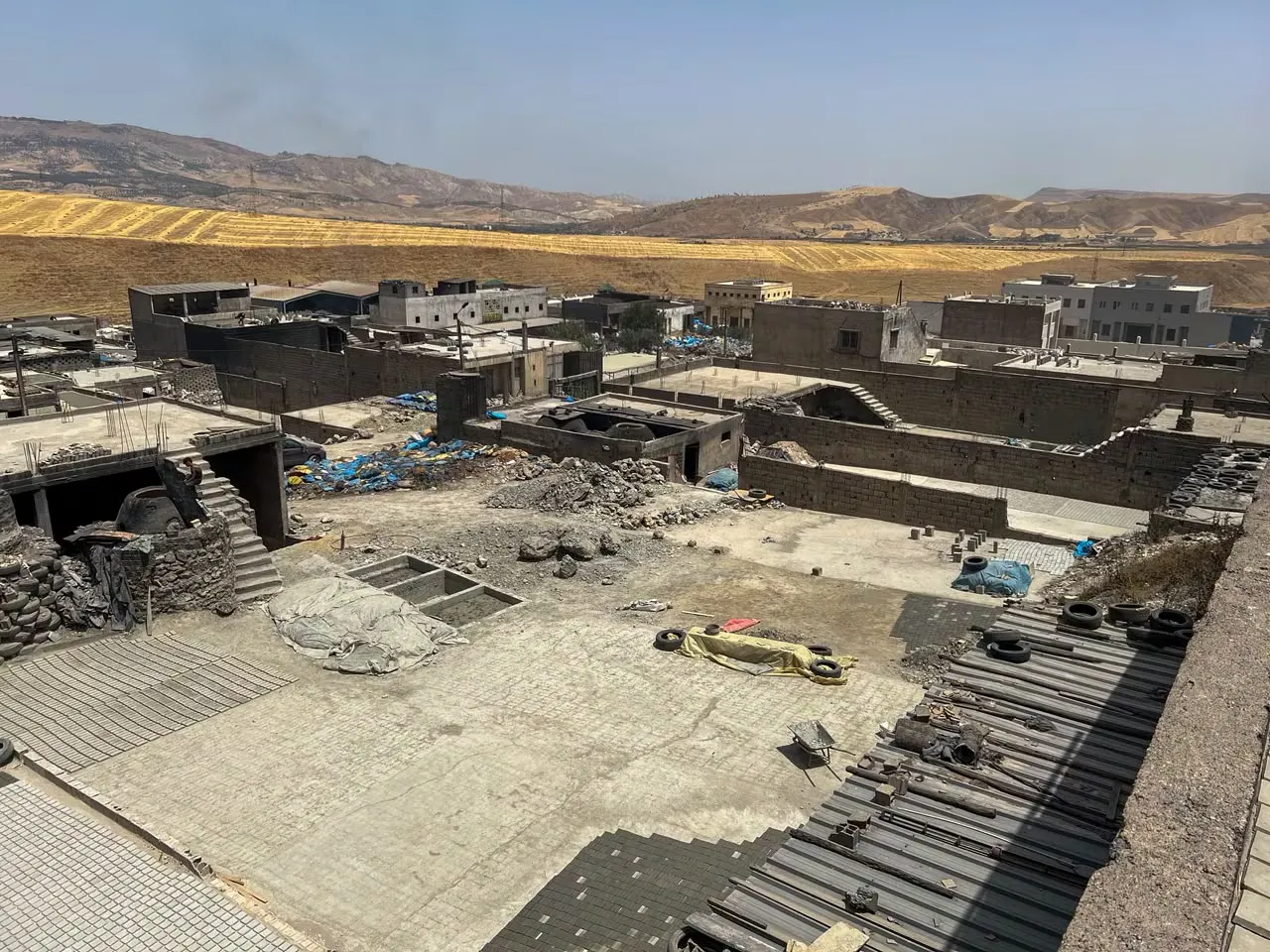
In an interview with Le360, Heisouf emphasizes that zellige is not merely a source of income for him; rather, it has been the foundation of his professional journey since childhood. He explains that the art of zellige encompasses more than fourteen distinct stages, beginning with the extraction of clay from the Benjil region. This raw material is transformed by the skilled hands of artisans into exquisite artistic panels that adorn palaces, mosques, and historical monuments, showcasing the true value of this product lies in the handcrafting process that accompanies it from inception to completion.
The Threat of Mechanization to Artisan Skills
However, this cherished tradition faces a tangible threat with the introduction of mechanization into the industry. Heisouf clarifies that the issue is not about resisting progress, but rather about preserving the manual craftsmanship that defines zellige. He stresses that every stage of zellige production relies heavily on the artisan's skill and experience, and substituting machines for this intricate work would strip the art form of its historical significance and authenticity. He states, "If machines take over all processes, we will end up like any factory in the world. Morocco is the birthplace of zellige, and its distinction lies in the fact that it is handcrafted." One of the most alarming aspects of mechanization is the replacement of the intricate cutting stage, which employs a tool called the 'manqash.' This phase is critical for giving geometric patterns their precise forms and provides livelihoods for at least two thousand traditional artisans. Heisouf explains that this process is not merely about cutting ceramic pieces; it is an art form in its own right that requires many years of training and experience, something no machine can replicate.
Moreover, the inheritance of this craft is not solely technical; it encompasses a system of values that masters instilled in their apprentices. They taught them ethics, discipline, proper sitting etiquette, and respect for tools before they even began to learn how to use the manqash or handle a piece of zellige. Heisouf believes that this humanistic school cannot be replaced by machines.
In addition to the challenges posed by mechanization, the sector is grappling with another critical issue: a severe shortage of clay, which is the primary material for pottery and zellige production. This scarcity threatens the stability of traditional workshops and directly impacts production rates, jeopardizing jobs related to this craft. He calls on relevant authorities to expedite administrative procedures for granting licenses to exploit new clay quarries in Benjil, ensuring production continuity and protecting a sector that is one of the most important components of the heritage and economy in Fez.
Heisouf concludes his remarks by emphasizing that Fez zellige is not just a traditional sector; it is an integral part of our identity as Moroccans. It represents a cultural heritage that carries the name of the kingdom to various corners of the globe. He urges for the preservation of this legacy and protection from any forces that may compromise its authenticity or obscure the uniqueness that has made it renowned for centuries.
As reported by ar.le360.ma.