
Call for International Responsibility
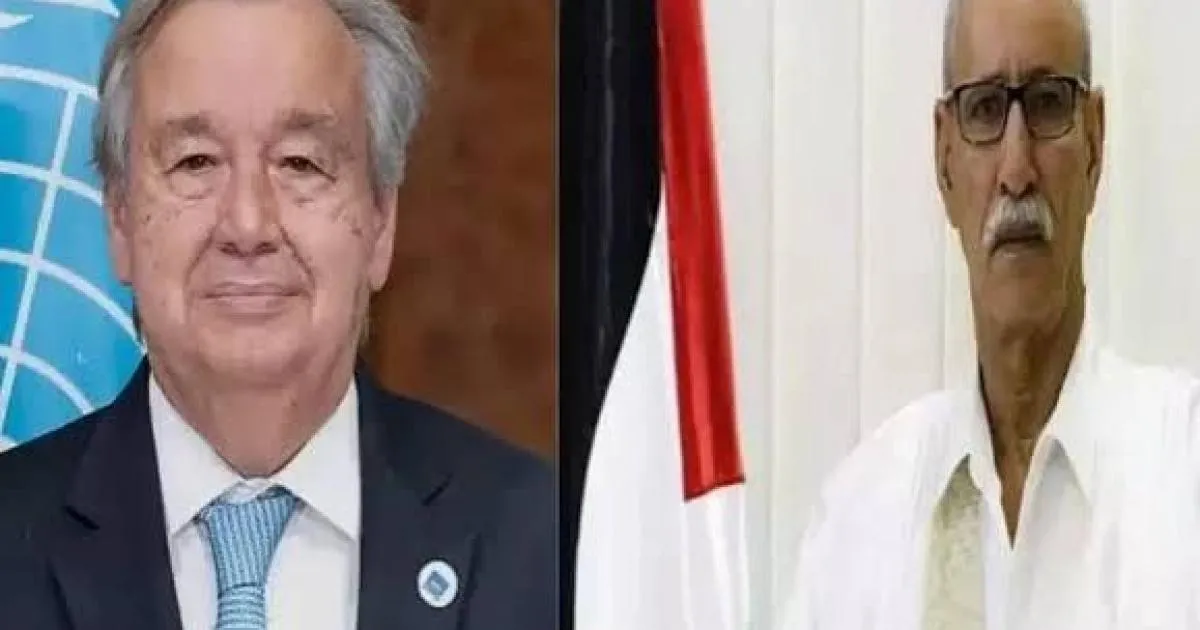
On September 19, 2026, from Bir Lehlou, President Brahim Ghali of the Sahrawi Arab Democratic Republic and Secretary-General of the Frente POLISARIO, made a compelling appeal to the United Nations and the broader international community. He urged them to take decisive action regarding the plight of the Sahrawi people, advocating for effective measures to further the decolonization of Western Sahara. This call is rooted in the imperative that the Sahrawi people must be allowed to exercise their inalienable right to self-determination and independence.
In a formal letter directed to the UN Secretary-General on September 7, 2026, which was subsequently shared as a Security Council document at South Africa's request, President Ghali emphasized the detrimental impact of Morocco's ongoing occupation of Western Sahara. This territory is still listed by the UN as a Non-Self-Governing Territory, and President Ghali highlighted that this occupation poses a significant barrier to the Sahrawi people's legitimate rights. He expressed concern that the lack of a robust international response to Morocco's persistent hindrance of the UN-led peace process could lead to enduring instability, with far-reaching consequences for both regional and international peace and security.
Commitment to Peace and Human Rights
In his communication, President Ghali reaffirmed the Frente POLISARIO's dedication to collaborating with the UN Secretary-General and his Personal Envoy within the framework of the ongoing peace process. He noted the organization's active participation in three informal ministerial meetings held in January and February 2026, during which proposals were submitted to facilitate a final, mutually acceptable resolution. He firmly stated that any proposed solution must ensure the Sahrawi people's undeniable right to self-determination and independence through a transparent, democratic process in line with pertinent UN resolutions. He categorically rejected any efforts to legitimize the occupation or undermine the legitimate national aspirations of the Sahrawi people.
Furthermore, President Ghali brought attention to the dire human rights conditions in the Occupied Sahrawi Territories. He cited alarming instances of arbitrary detention, physical violence, intimidation, surveillance, and restrictions faced by Sahrawi human rights defenders, journalists, and activists. He specifically noted the plight of Sahrawi political prisoners, including members of the Gdeim Izik group, who endure severe prison conditions, lack adequate medical care, and face isolation along with restrictions on family and external communications. He reiterated his urgent call for the immediate and unconditional release of all Sahrawi political prisoners, advocating for their return to their homeland and reunion with their families, while also demanding independent international oversight of the human rights situation in the region. He highlighted that the UN High Commissioner for Human Rights has not been granted access to Occupied Western Sahara since 2015.
In closing, President Ghali condemned policies that affect the demographic composition of the Territory, such as the eviction of Sahrawis from their ancestral lands. He criticized the use of military weaponry, including unmanned aerial vehicles, which have resulted in civilian casualties, and denounced the ongoing exploitation of Sahrawi natural resources. He called upon the UN to inform the global community and relevant UN entities about illegal economic activities occurring in the Territory. He reiterated the unique responsibility of the United Nations towards the people of Western Sahara, urging the organization to fully engage its responsibilities until the Sahrawi people can freely exercise their right to self-determination and independence. In conclusion, President Ghali expressed the Frente POLISARIO's readiness to engage in sincere negotiations with the Kingdom of Morocco under the auspices of the UN, aimed at achieving a just, peaceful, and lasting solution based on the self-determination of the Sahrawi people, thus contributing to regional peace and security.
As reported by spsrasd.info.