
Mass Demonstrations in Support of Ceuta
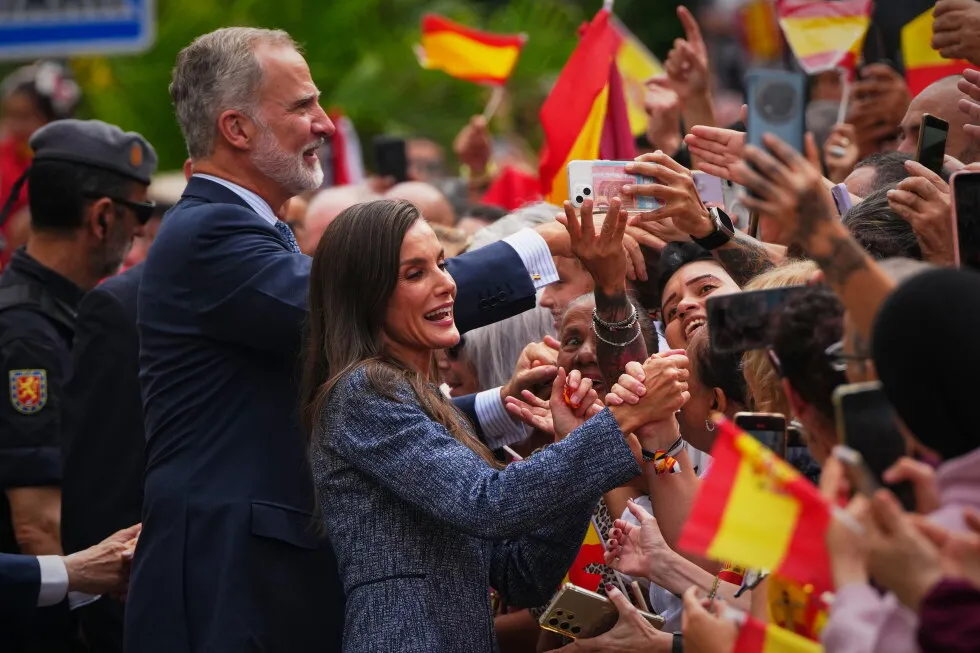
In light of the ongoing migration crisis in Ceuta, tens of thousands of demonstrators took to the streets across Spain to express their unwavering support for the North African exclave's status as part of Spain, while simultaneously denouncing the government's migration policies under Prime Minister Pedro Sánchez. Protesters and speakers accused the central government of adopting a conciliatory approach towards Morocco, failing to provide adequate assistance to Ceuta amidst the surge of migrants. Although Morocco has long claimed Ceuta and the other Spanish exclave of Melilla, it has not exerted significant pressure on this issue at the present time.
Calls for Action and Government Accountability
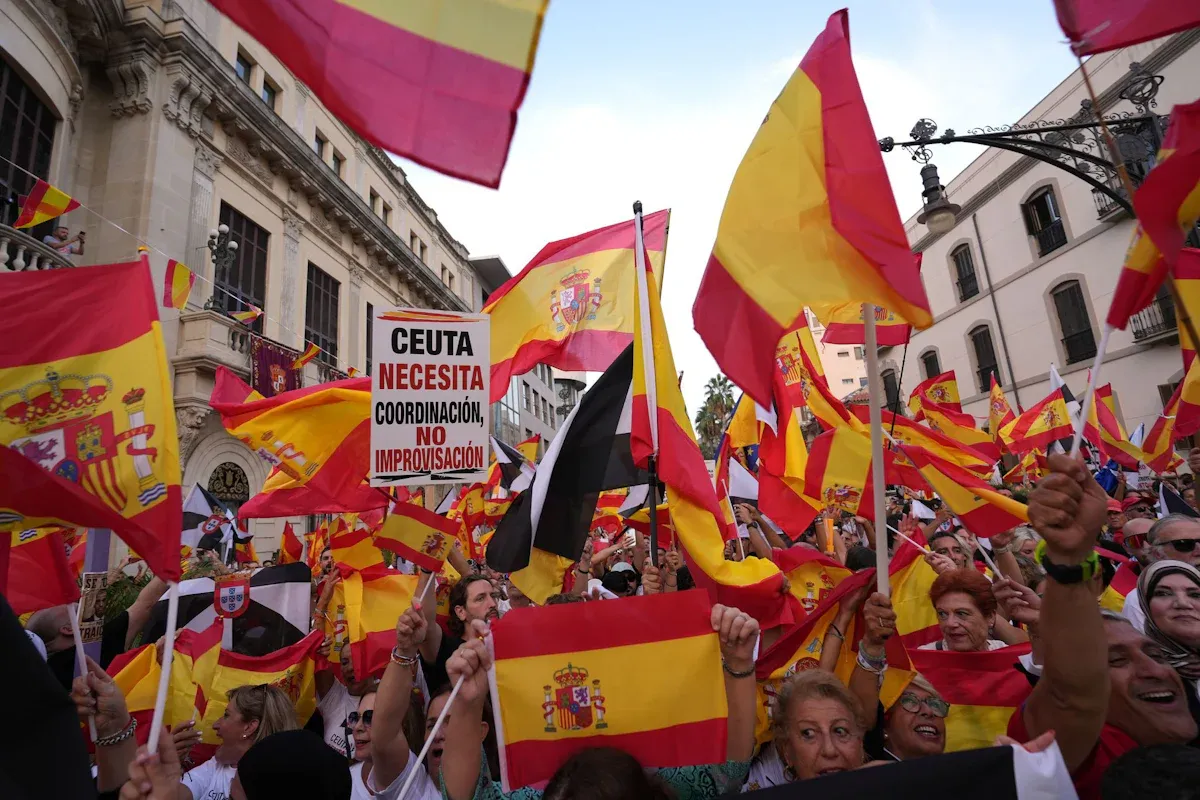
Alberto Núñez Feijóo, the leader of Spain's conservative Popular Party, described the influx of migrants as an "invasion" orchestrated by Morocco. He charged Sánchez and his administration with dishonesty, claiming they had denied any prior warning regarding the migration crisis and insisted that Morocco was not inciting the influx—both statements he labeled as false. During the protests in Ceuta, thousands rallied under a sea of Spanish flags, demanding a return to normalcy and reaffirming the exclave's place within Spain. Slogans such as "Ceuta does not sell out, Ceuta does not surrender" were prominently displayed on banners.
According to government reports, at least 72,000 migrants arrived in Ceuta on July 30 and 31, with approximately 5,000 still remaining a month later. Many of these individuals have taken to camping on streets and beaches, placing an immense strain on the local population of 83,000 residents. The situation has led to ongoing protests and, at times, violent clashes involving migrants and private aid organizations.
Due to legal constraints, Spain is unable to collectively deport migrants and must assess each asylum application on an individual basis, a process that could take weeks or even months. Furthermore, the central government is reluctant to relocate these individuals to the mainland, as Ceuta is not part of the Schengen Area, which could provoke other Schengen member states to impose border controls similar to those already enacted by Italy.
The protests, organized by the FEMP, the umbrella organization representing Spanish municipalities, were notably supported by the conservative Popular Party. The right-wing Vox party also participated in the demonstrations, with Madrid's Mayor José Luis Martínez-Almeida asserting, "Ceuta is Spanish and will not be abandoned." Reports indicate that around 50,000 people attended the rally in Madrid, making it the largest single event of the evening according to a national court ruling. Miguel Tellado, the General Secretary of the Popular Party, mentioned that there were approximately 2,000 demonstrations throughout Spain, reiterating calls for the government's resignation and new elections.
In contrast, counter-demonstrations took place in various cities, including Barcelona and Bilbao, where participants voiced opposition to racism with signs proclaiming, "No one is illegal." This stark division highlights the complex and contentious nature of Spain's migration policies and the ongoing debate surrounding national identity and humanitarian responsibilities.
As reported by sueddeutsche.de.