
Rabat's Urban Charm: A Nigerian Perspective
In an era where major sporting and cultural events allow cities to showcase themselves beyond their borders, Rabat stands out for having made a lasting impression through something simpler yet profoundly revealing: its urban environment. The city’s aesthetic and cleanliness have caught the attention of visitors, providing an enticing glimpse into its character.
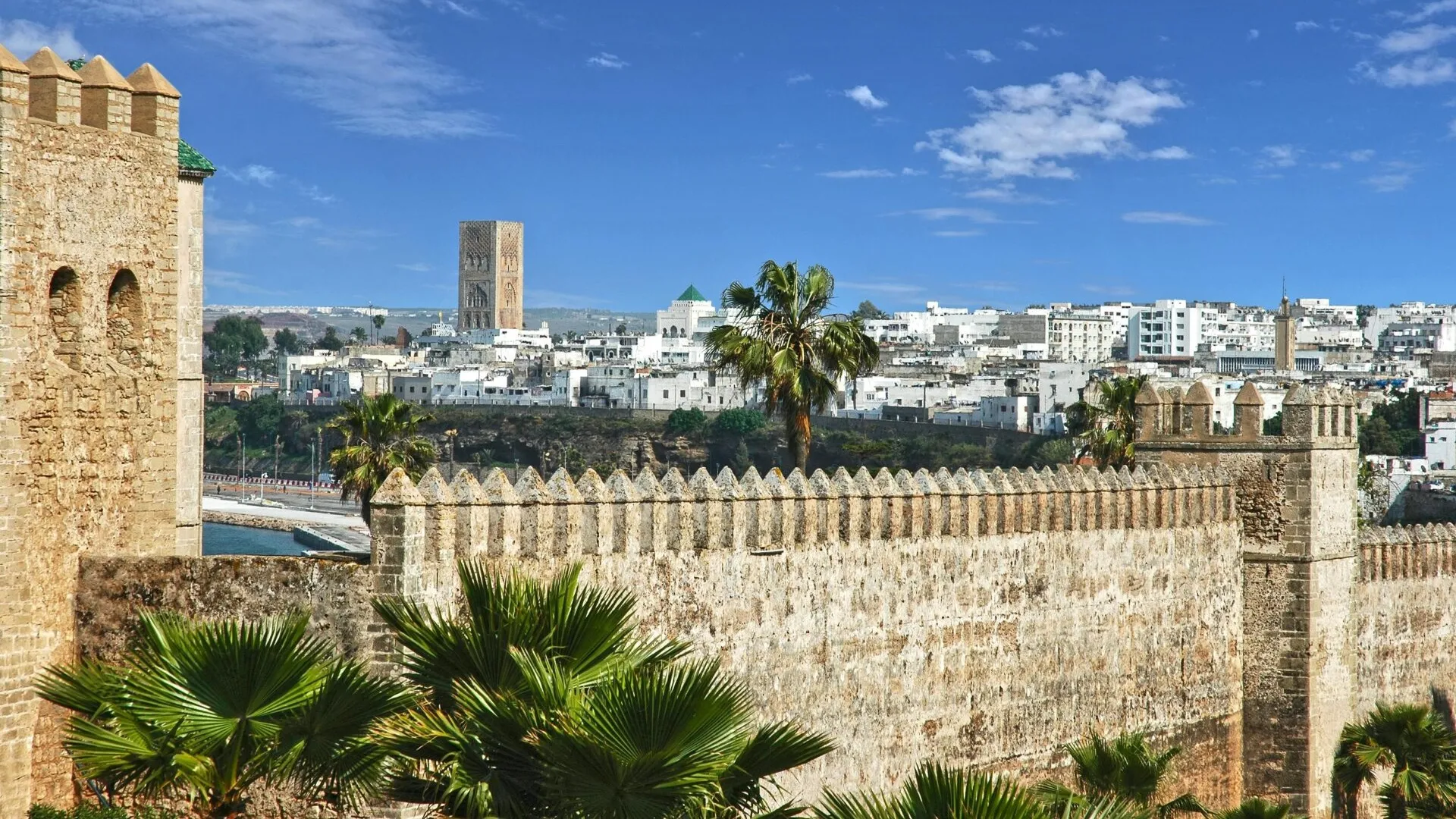
One of the most intriguing testimonials comes from Nigeria. In his travel narrative titled 'A Memory of Morocco', Nigerian writer Wale Okediran recounts his visit to Morocco and shares a notably positive impression of the capital. Right from the outset, he encapsulates his initial encounter with Rabat with an evocative phrase: 'Rabat was love at first sight.' This declaration underscores the strong emotional connection he felt upon arriving in the city. However, it is during his visit to the Nigerian embassy in Rabat that his account takes on a particularly interesting dimension. Accompanied by the embassy driver, he describes discovering a city that is 'very clean, with well-paved roads and beautiful gardens.'
This observation merits attention, especially considering it comes from an African visitor who approaches Rabat with an external perspective. Okediran was not in Morocco for a tourism promotion campaign; he was there at the invitation of the Union of African, Asian, and Latin American Writers to participate in its ninth international conference held in Rabat and Tangier. His narrative reveals that a city’s image is not solely shaped by its monuments, grand avenues, or the events it hosts. Rather, it is also constructed through the everyday details that residents often overlook: the cleanliness of streets, the condition of roads, the presence of gardens, and the overall maintenance of urban spaces.
For a visitor from another African nation, these elements can form the initial impressions of a city. In the case of Rabat, they evidently contributed to a positive experience. The perspective of this Nigerian writer is particularly valuable as it transcends mere aesthetic appreciation. Throughout his account, he discusses his strolls through the old city, the cultural sites he visited, and the various activities he engaged in during his stay.
Daily Experiences Shape Perceptions
Through this testimony, Rabat emerges as a capital whose image is also shaped by the daily experiences of those who discover it. A well-maintained road, a pleasant green space, or a clean street may seem like ordinary details; however, for a visitor, they quickly become visible signs of organization and quality of life. In an age where Morocco is welcoming an increasing number of African visitors and where sporting, cultural, and economic exchanges among countries on the continent are strengthening, such testimonials hold particular significance. While major sporting competitions undoubtedly serve as exceptional showcases, a country's image also unfolds outside stadiums, in the streets, public transport, public spaces, and the locations frequented daily by visitors.
It would undoubtedly be excessive to generalize Wale Okediran's testimony as a reflection of all African visitors. His perspective is a personal one, and it is precisely this individuality that lends it journalistic interest. It allows us to see Rabat through the eyes of an African intellectual experiencing it for the first time, who spontaneously chooses to highlight its cleanliness, roads, and gardens.
This external viewpoint serves as a reminder that a city is not just a place to be visited; it leaves a lasting impression. For Wale Okediran, this impression appears to have begun with his very first contact with Rabat, culminating in the phrase that encapsulates his experience: 'Rabat was love at first sight.'
As reported by lopinion.ma.