
Gnawa Sounds Take Center Stage at Rabat Africa Festival
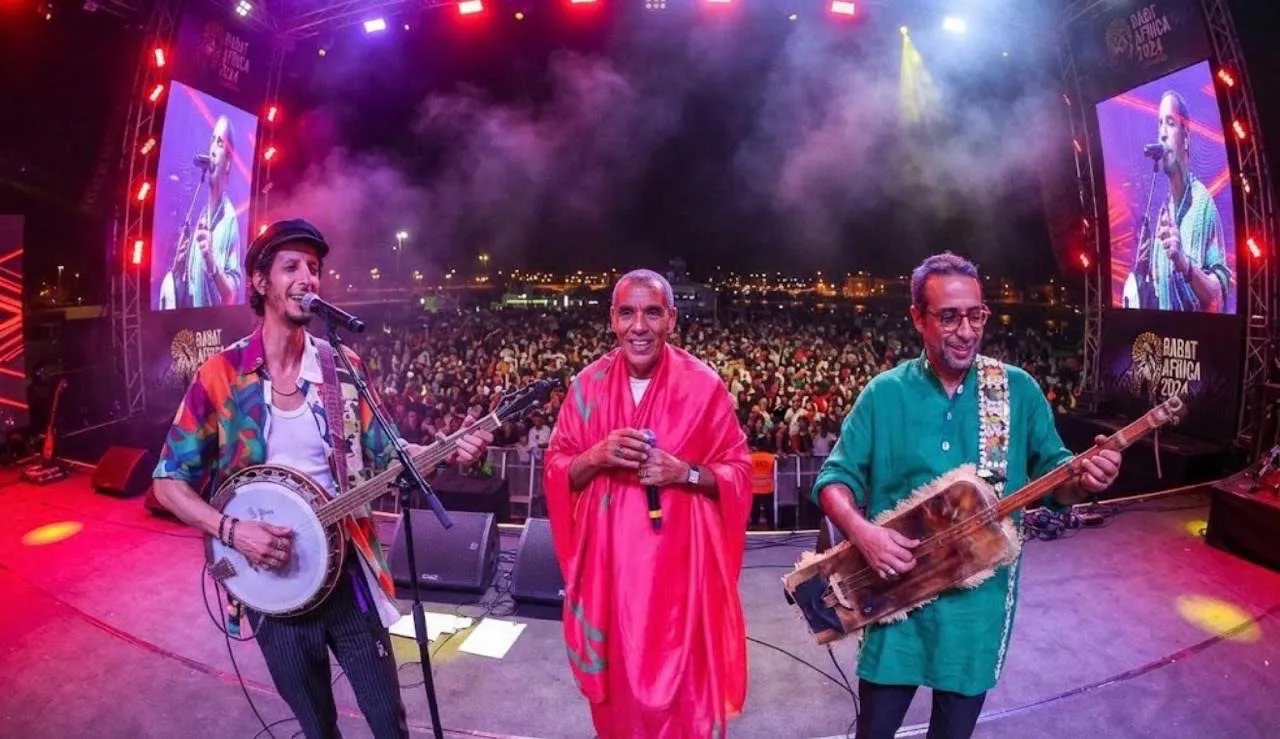
The sixth night of the Rabat Africa Festival provided an enchanting experience for attendees, transporting them deep into the heart of Gnawa music, one of Morocco's most iconic musical heritages. The event featured a lineup of performers including Ahfad El Riwan, Jil Jilala, and Fahd Benchemssi, each captivating the audience with traditional rhythms, stirring songs, and dynamic stage presence. This carefully curated program showcased a vibrant dialogue between Morocco's rich musical heritage and contemporary expressions, highlighting the evolution of its cultural landscape.
Jil Jilala and Fahd Benchemssi: A Fusion of Tradition and Modernity
Jil Jilala, an essential figure in Moroccan music, took the stage with a repertoire that resonates with multiple generations. Established in Marrakech during the 1970s, the group is known for its dedication to traditional Moroccan music and its role in rejuvenating the Moroccan song scene. Following their performance, Fahd Benchemssi delivered a particularly notable show, staying true to the ancestral sounds of Gnawa while simultaneously exploring a modern interpretation of this heritage alongside his group, The Lallas. This unique approach blends Moroccan musical traditions with diverse global influences, creating a fresh sound that appeals to both new and longtime fans.
After his performance, Benchemssi expressed heartfelt appreciation for the Moroccan audience, particularly the people of Rabat. He remarked, "I love all Moroccan audiences, but the people of Rabat are truly special," reflecting his deep connection to the crowd. He also commended the enthusiastic energy of the Rabat spectators, who actively engaged with his performance, adding to the festive atmosphere of the sixth night of the festival.
With this latest installment of its program, the Rabat Africa Festival continues to aim at highlighting the diversity of African and Moroccan musical expressions. The significant focus on Gnawa during this sixth evening exemplifies the festival's commitment to celebrating national heritage while fostering an open dialogue with contemporary musical cultures and influences.
As reported by article19.ma.