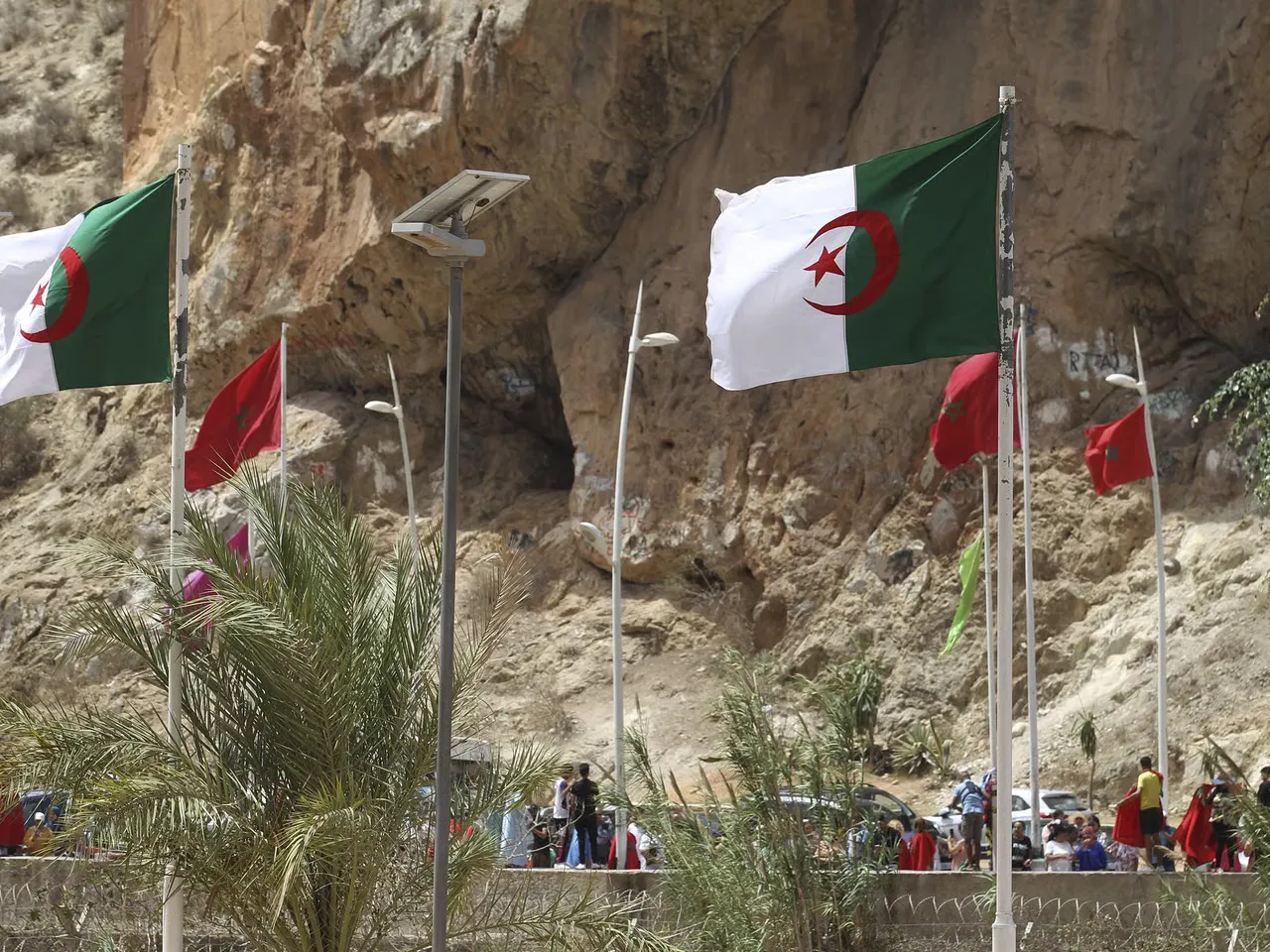

The Geopolitical Landscape of the Maghreb
The longstanding discord between Morocco and Algeria is well-documented, particularly surrounding the contentious issue of Western Sahara. However, amidst the multitude of global crises, the question arises: Can the Maghreb afford to continue this feud? The region stands at a crucial juncture where it can no longer indulge in inherited rivalries. Historical precedents, like the European Union and ASEAN, illustrate that no region can remain fragmented and still expect to exert influence in international relations without establishing minimal frameworks for cooperation and interdependence.
This situation is not about assigning blame but rather recognizing that both Morocco and Algeria have, at various times, prioritized competitive posturing over regional development. The detrimental effects of this ongoing discord are evident and costly. For instance, the normalization of relations between Rabat and Algiers could usher in a new economic era for the entire Maghreb region, which currently suffers from the significant costs associated with its lack of unity. In fact, the absence of collaborative efforts results in a loss of several percentage points of annual growth for the nations involved. Furthermore, intra-Maghreb trade accounts for less than 5% of the countries' external commerce, depriving them of access to a regional market that exceeds 100 million inhabitants.
The Economic Implications of Division
Morocco boasts some of the most advanced logistical and port infrastructures on the African continent. Ports like Tanger Med have emerged as pivotal maritime hubs in the Mediterranean and Africa, while the new Nador West Med project aims to enhance the country’s role as a logistical platform connecting Europe, Africa, and the Atlantic. On the other hand, Algeria is rich in energy resources and possesses a strong domestic market. When combined, these mutual capabilities could create a significant geoeconomic continuum in the Maghreb and reposition the region as a strategic nexus in the new trade routes of the 21st century.
The reopening of land borders would act as a major economic lever, stimulating growth in border regions, lowering logistics costs, fostering human and commercial exchanges, and curtailing the growth of informal economies. A gradual and pragmatic approach to normalization is essential; it will not happen overnight. Steps towards this goal could include reducing media tensions, fostering sectoral cooperation, coordinating energy exchanges, facilitating human interactions, and initiating joint logistical projects across the Maghreb and Sahel regions.
As reported by jeuneafrique.com.