A Transformative Shift in Morocco's Cultural Landscape
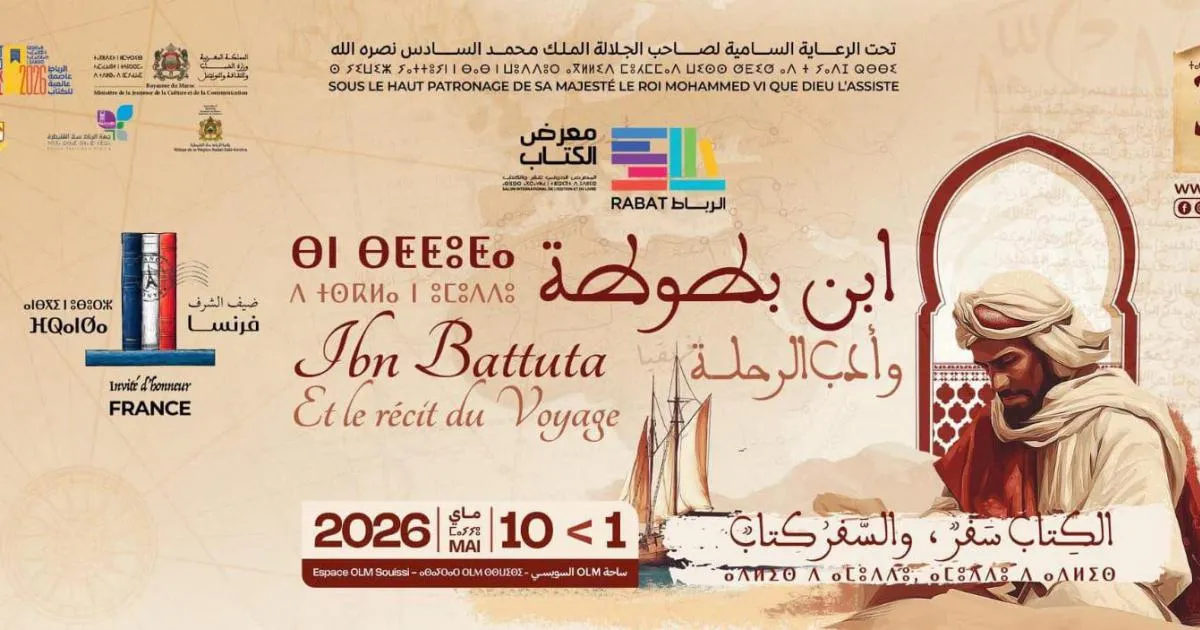
This year, the city of Rabat is experiencing an unprecedented cultural awakening, marking a significant departure from its usual tranquil demeanor. The International Publishing and Book Fair, now in its thirty-first edition, is not merely an event of literary celebration but signifies a pivotal moment in Morocco's narrative—a narrative crafted with intention, articulated with confidence, and embraced in multiple languages. The fair's relocation from Casablanca to Rabat transcends mere geography; it embodies a profound philosophical shift where culture is no longer an afterthought but a central pillar of national vision.
Cultural Engagement: A Royal Endorsement
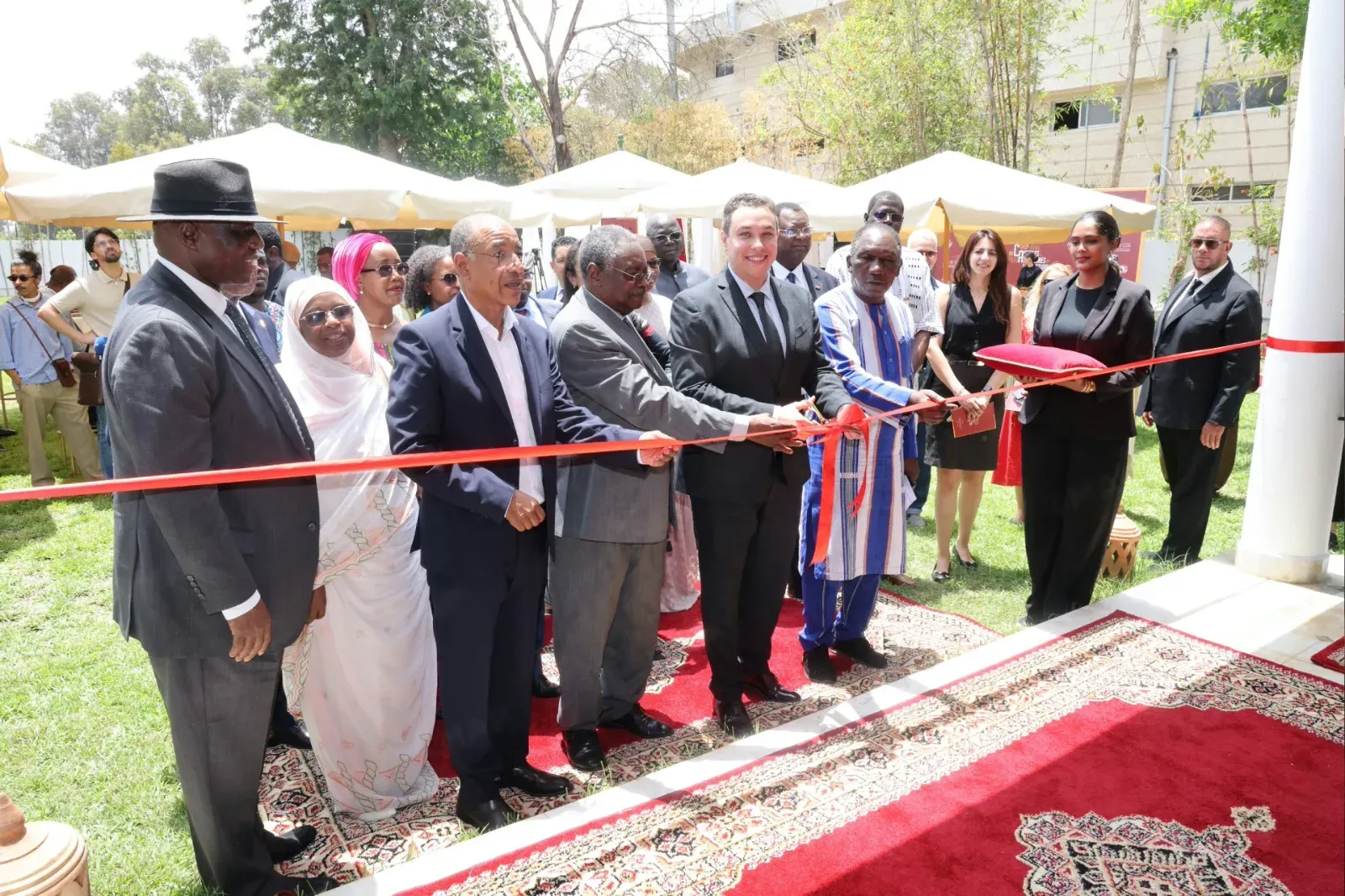
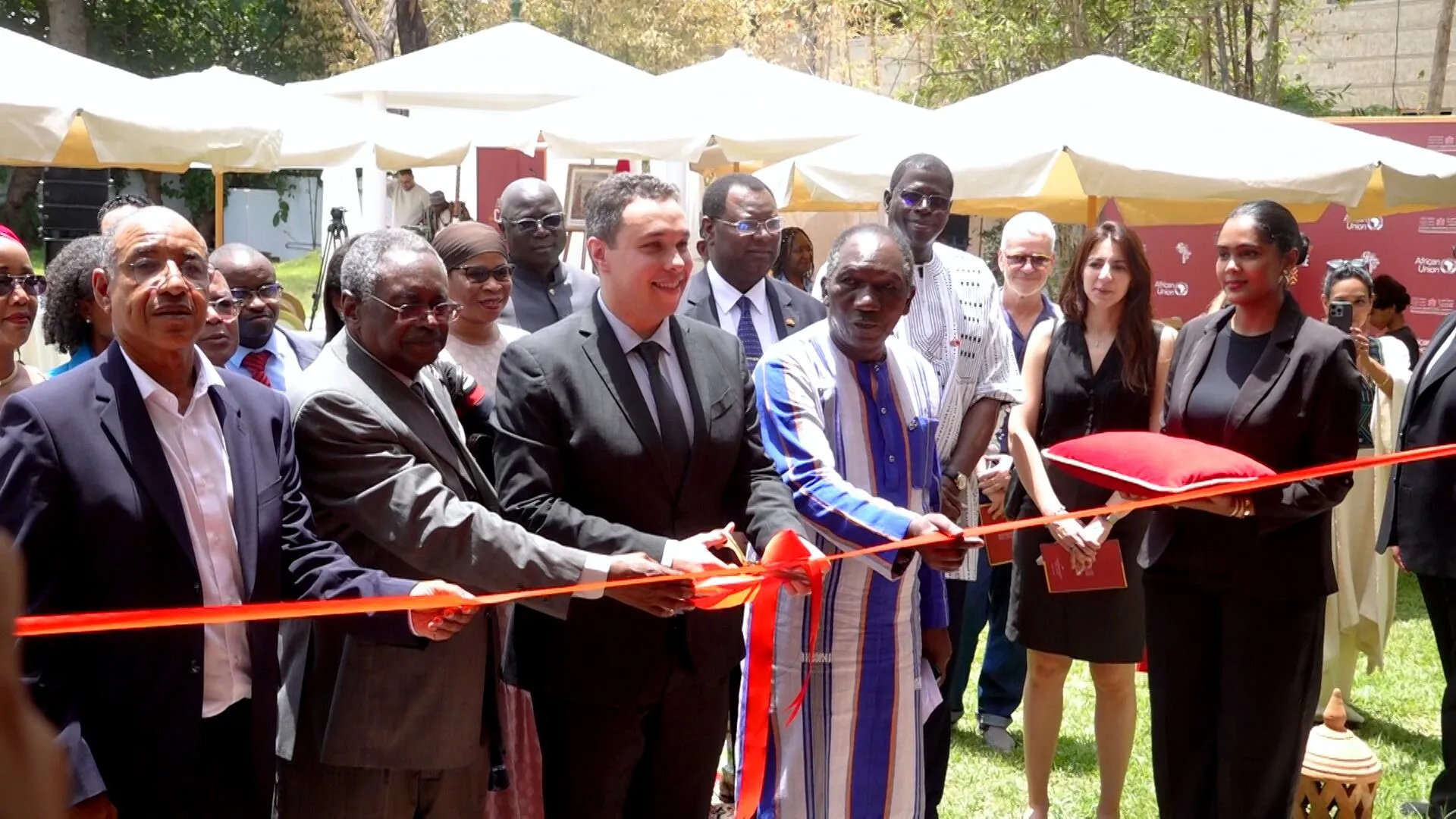
The inauguration of the fair by Crown Prince Moulay El Hassan was laden with meaningful symbolism, reflecting the Moroccan monarchy's commitment to reestablishing the state's relationship with knowledge. This event encapsulates King Mohammed VI's vision that perceives culture not as a mere luxury, but as a crucial engine for development. The fair showcases a remarkable diversity of participants and serves as a vibrant platform for both cultural exchange and diplomatic dialogue. Rabat is evolving into a dynamic cultural hub, especially following its designation as the World Book Capital for 2026, transforming the city into a living canvas where culture permeates the streets and public spaces, continuously enriching the urban experience.
Within the fair, the conception of literature is redefined; books transform into catalysts for discussion, projects for collaboration, and pathways to understanding. The event fosters an ecosystem where publishers, authors, readers, and policymakers coalesce to reshape the intricate relationship between culture and the economy. The enthusiastic participation of children and youth, coupled with interactive workshops and digital initiatives, signifies a shift in reading culture—from a solitary pursuit to a vibrant social experience that confronts the challenges of the digital age with innovative approaches.
The Abdelhadi Tazi Foundation has emerged as a key player in this cultural revival, adeptly bridging the past with the present. By showcasing the book “In the Footsteps of Ibn Battuta” along with rare manuscripts and maps, the foundation provides visitors with an immersive cultural journey that transcends mere reading. The exhibition allows attendees to engage with history in a sensory way, reimagining travel and knowledge as intertwined experiences. The invocation of Ibn Battuta serves not only to honor a historical figure but to present him as a contemporary symbol of Morocco's openness and commitment to knowledge as a lifelong journey.
Ultimately, the transformation underway in Rabat extends far beyond the confines of the fair itself. The city is gradually evolving into an experimental cultural laboratory, where the societal relationship with knowledge is actively redefined through extensive cultural programs, diverse events, and technological integration. This comprehensive approach aims to cultivate a sustainable cultural industry that not only generates economic opportunities but also promotes social equity and provides new prospects for youth.
As Morocco navigates this cultural renaissance, it emerges as a soft power, utilizing culture as a diplomatic tool. The fair's international scope allows for constructive dialogue between diverse cultures, reinforcing the notion that knowledge can serve as a common language that unites communities beyond conventional political discourse. In this light, Rabat is not merely hosting an event but is actively engaged in writing a new chapter in its history—one where every exhibit, every book, and every visitor contributes to a transformative narrative that positions knowledge at the heart of Morocco's aspirations.
As reported by middle-east-online.com.