
Rabat's Diplomatic Miscalculations in the Face of American Reality
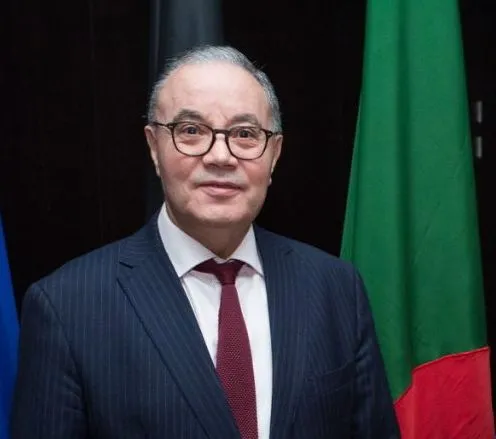
In a striking analysis, former Algerian ambassador Amar Belani highlights a significant shift in the dynamics of Morocco's diplomatic relations with the United States, particularly concerning the contentious issue of Western Sahara. Recent remarks from US presidential adviser Massad Boulos have starkly contrasted with Rabat's inflated expectations, revealing a sobering reality for Morocco's diplomatic establishment. Belani posits that the Moroccan media has reacted with indignation to Boulos's statements, which he interprets as a direct challenge to Morocco's optimistic outlook regarding US policy on Western Sahara.
Boulos’s interview with France 24 made it clear that a resolution to the Western Sahara dispute is not imminent, and he characterized Algeria as a “very good partner” for the US. This statement, along with Boulos's assertion that the US cannot enforce a settlement, instead emphasizing the necessity of a solution that reflects the will of the Sahrawis through the Polisario Front, has left Morocco grappling with the implications of its strategic choices.
The Dissonance Between Diplomatic Expectations and Reality
Belani critiques Morocco's diplomatic strategy, which has increasingly aligned with the priorities set forth by the Trump administration. He notes that Morocco has taken significant steps, such as enhancing diplomatic ties with Israel and contributing financially to initiatives like the Board of Peace, in hopes of securing a solidified US stance on Western Sahara. However, this approach has resulted in a miscalculation; Morocco's substantial concessions did not guarantee the unwavering support it anticipated from Washington regarding Western Sahara. Rather, the US has maintained a fluid position, allowing it to adapt its diplomatic language and tactics without committing to Morocco’s demands.
This misalignment has been particularly pronounced given Morocco's belief that normalizing relations with Israel would yield a decisive advantage in its Western Sahara ambitions. The reality, as Belani articulates, is that the US has pursued a more nuanced and transactional diplomatic approach, enabling it to foster relationships with both Morocco and Algeria simultaneously, thus undermining Rabat’s expectations.
Furthermore, Belani underscores that Algeria's strategic significance—stemming from its geographic position, security cooperation, and resource potential—grants it advantages that Morocco cannot replicate. The US's withdrawal from Niger has only amplified Algeria's importance in counterterrorism efforts and energy exploration, which complicates Morocco's diplomatic calculus.
In conclusion, Belani asserts that Morocco’s expectation of diplomatic support equating to a diplomatic victory has led to its current predicament. While Morocco has received US recognition of its sovereignty over Western Sahara, this acknowledgment does not equate to a negotiated settlement. As Washington continues to engage with both Morocco and Algeria, the former's reliance on American backing without a clear pathway to a resolution has become increasingly precarious. Ultimately, Rabat’s diplomatic frustrations reflect the limitations of a strategy predicated on the assumption that US support would seamlessly translate into favorable outcomes for Morocco.
As reported by dzair-tube.dz.