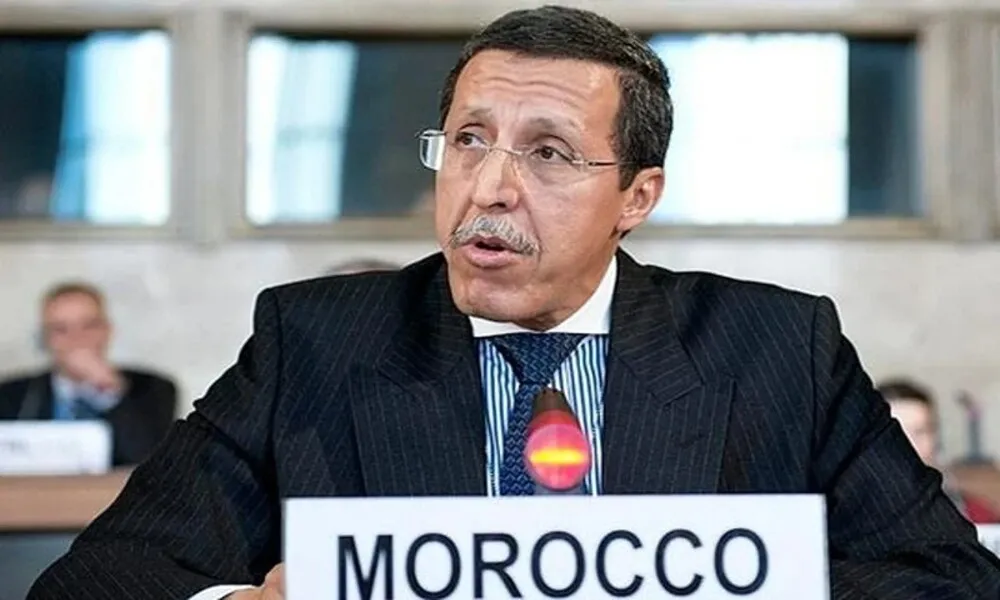

Rabat's Stance on the Sahara Dispute at the Committee of 24
The ongoing debate surrounding the Sahara issue has once again taken center stage as representatives from Rabat presented their perspectives in the Committee of 24. This committee, established by the United Nations, plays a significant role in addressing decolonization issues and facilitating dialogue between member states regarding self-determination and political sovereignty. Morocco has consistently advocated for its territorial integrity, emphasizing the need for a resolution that acknowledges its sovereignty over Western Sahara, a region it considers part of its national territory.
In recent discussions, Morocco's representatives articulated their position, asserting that the only viable solution to the Sahara conflict lies within the framework of autonomy under Moroccan sovereignty. They highlighted the importance of regional stability and development, arguing that a negotiated political solution is crucial for the prosperity of all parties involved. This perspective aligns with Morocco's broader diplomatic strategy, which seeks to garner international support while countering claims made by the Sahrawi independence movement.
Moreover, Rabat's emphasis on autonomy as a solution has gained traction among several nations, contributing to a shift in how the Sahara issue is viewed on the international stage. The Moroccan delegation underscored the country's commitment to fostering dialogue and collaboration, inviting other nations to engage in constructive discussions that can lead to lasting peace and stability in the region. This approach is seen as a strategic move to strengthen Morocco's position while navigating complex geopolitical dynamics.
As the discussions within the Committee of 24 continue, the international community watches closely, recognizing the potential implications for regional stability and the broader context of decolonization efforts. Morocco's proactive stance highlights its determination to resolve the Sahara issue while ensuring that its national interests are safeguarded.
As reported by fr.apanews.net.