The recent surge in racism within Spanish stadiums has reignited a critical discussion surrounding the ethics of hosting the 2030 World Cup final, which is set to be co-hosted by Spain and Morocco. As the debate unfolds, it is clear that the two nations present starkly contrasting images; Spain is vying for the final to be held on its soil, while Morocco is promoting its superior preparations, infrastructure, and the reputation that FIFA strives for in a host nation.
Various racist incidents in Spanish stadiums raise an ethical question: Is it appropriate to award a match that brings together people of all races and backgrounds to a country still grappling with its record on racism? This discourse intensified after Brazilian player Vinicius Junior suggested that the tournament should be withdrawn from Spain unless it takes substantial action against racism, igniting a wave of backlash in the Spanish media, which was only amplified by subsequent incidents that seemed to validate his concerns.
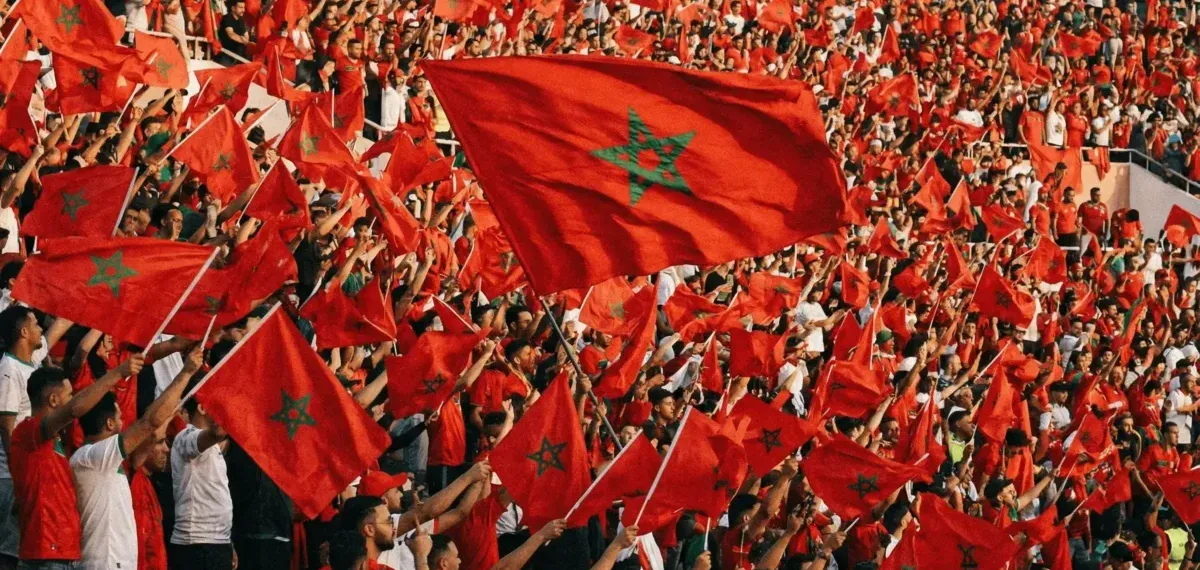
Meanwhile, Morocco is leveraging the upcoming 2025 African Cup of Nations to showcase its modern stadiums and organizational capabilities, presenting itself as a safe and welcoming option for the World Cup final. FIFA awarded the 2030 World Cup to Spain, Portugal, and Morocco, with initial matches set to occur in Argentina, Uruguay, and Paraguay to commemorate the tournament's centenary. However, the final venue remains unconfirmed, creating a competitive atmosphere between Madrid and Rabat.
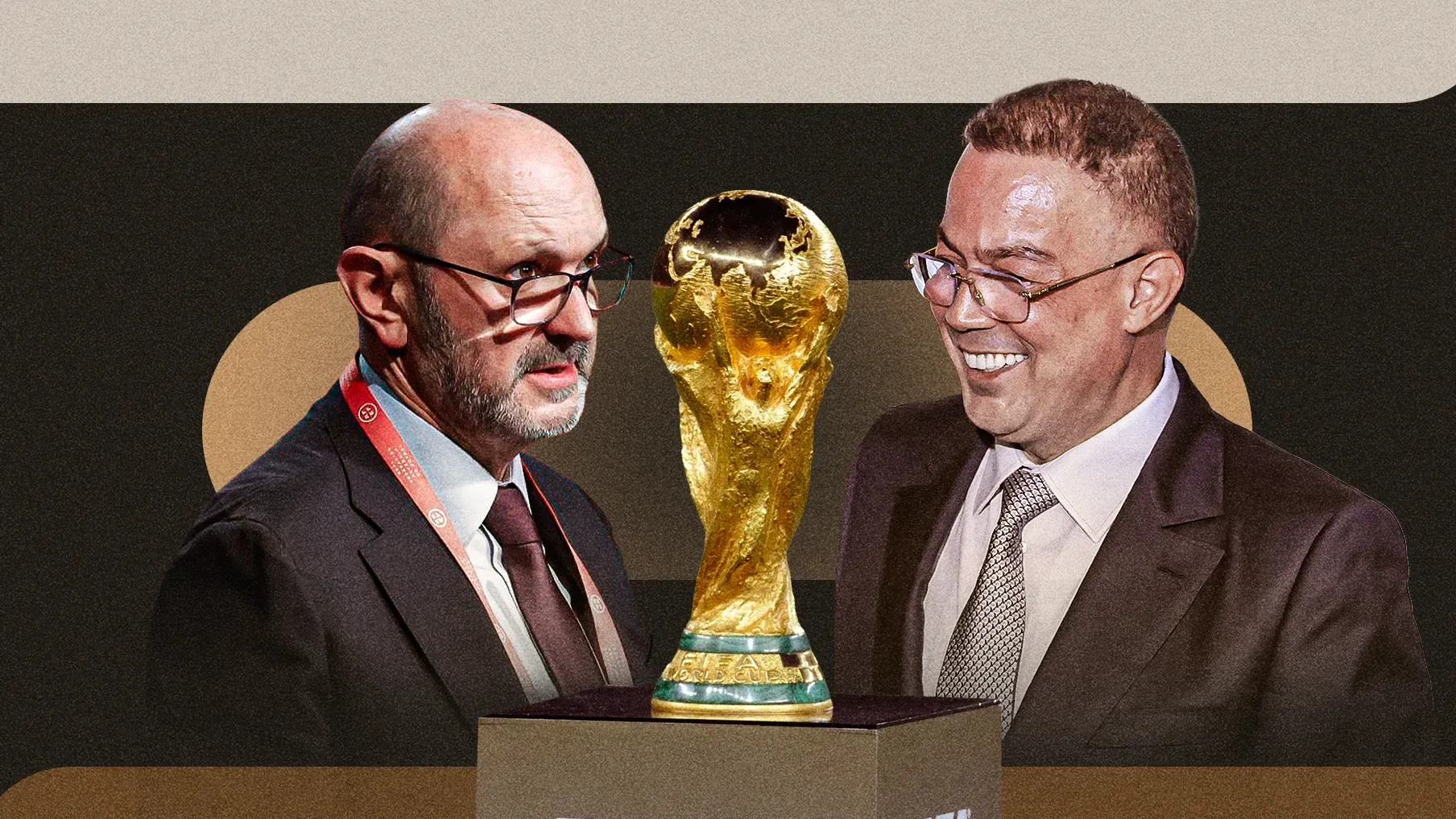
Rafael Luzán, the president of the Spanish Football Federation, asserts that the final will undoubtedly take place in Spain, likely at iconic venues such as the Bernabéu or Camp Nou, deeming it “impossible” for it to be held elsewhere. In response, Fawzi Lekjaâ, president of the Royal Moroccan Football Federation, emphasized that the new Casablanca stadium, with a capacity of 115,000, is ready to host the event, reinforcing Morocco's ambition for a prominent role in the tournament.
The FIFA has yet to announce the final's venue, typically making such decisions two years before the tournament, leaving the outcome subject to change based on future developments. The ongoing incidents of racism have made Vinicius Jr. a symbol of the fight against discrimination in Spain, especially following the Mestalla incident, which resulted in the first-ever prison sentence for fans due to racist insults in Spanish football history.
His experiences, including being subjected to abuse that brought him to tears, have led him to express that he no longer wishes to play in an environment lacking meaningful sanctions against such behavior. In a controversial international television interview, he argued that Spain should be stripped of its World Cup hosting rights if it fails to make tangible progress in combating racism, highlighting the insecurity felt by players facing racial abuse in a nation that should embody inclusivity.
While some media outlets and sports figures dismissed his statements as detrimental to Spain’s image, subsequent events lent credence to his claims, transcending the initial emotional response. A recent friendly match between Spain and Egypt turned sour when fans were heard chanting, “Whoever doesn't jump is a Muslim,” a phrase aimed not only at the opposing team but also at the Muslim community present. Despite attempts by officials to remind fans that racism is a crime, the chants persisted, prompting an investigation by the Mossos d'Esquadra into these xenophobic outbursts.
Such incidents have sparked international condemnation, with the Egyptian Football Federation labeling the chants as unacceptable actions from a minority and rejecting any offense to their anthem or Islam. The situation escalated when recordings surfaced of Real Madrid supporters using the same chant ahead of a Champions League match, illustrating a troubling trend of racist behavior that some fans have normalized as part of their cultural expression, disregarding the impact it has on millions of individuals.
In another alarming instance, Atlético de Madrid fans directed racist insults at Lamine Yamal during a Champions League quarter-final match, politicizing his heritage and faith. These occurrences affirm for many that the battles fought by Vinicius and Yamal are indicative of a deeper cultural issue demanding real solutions rather than sporadic condemnations.
The Spanish league has not been immune to such racism; Omar El Hilali, a Moroccan player for Espanyol, reported a racist insult from Elche's Rafa Mir referencing his migrant origins. The league's anti-racism protocol was activated, leading to an investigation. El Hilali condemned the anti-Muslim chants in Spanish stadiums, reflecting on the Spain vs. Egypt match and emphasizing that no one should tolerate mockery of their religion. He highlighted that Lamine Yamal, a top Spanish player of Moroccan descent who has chosen to represent Spain, deserves respect rather than ridicule regarding his faith.
The testimonies of these players—a dark-skinned Brazilian, a young Moroccan forward, and a Moroccan defender playing in Catalonia—underscore an undeniable reality: there are pockets of racism and hate speech permeating certain football stands in Spain, tarnishing the country's image as it prepares to host one of the largest sporting events in the world.
In response to such allegations, various Spanish figures have asserted that the nation is not inherently racist and that these incidents are isolated acts by a minority. Players like Dani Carvajal have defended Spain's image, citing La Liga's anti-racism protocols and existing legal actions, such as the sentencing of offenders in the Vinicius case. However, the frequency of these incidents, their extension to the national team, ongoing police investigations, and FIFA's disciplinary proceedings against the Spanish Federation for anti-Muslim chants complicate the narrative of a few unruly fans.
The issue at hand transcends whether Spain is fundamentally racist; it is rather about the messages these events convey to players and fans from diverse backgrounds, as well as to World Cup partner nations, with Morocco at the forefront. Morocco capitalized on the African Cup of Nations 2025 to exhibit its organizational prowess, presenting nine modern stadiums across six cities, showcasing renewed infrastructures designed for the tournament, with a focus on pitch quality, seating capacity, and accessibility.
The Prince Moulay Abdellah Stadium in Rabat, housing both the inaugural match and the final, provided a contemporary and vibrant atmosphere devoid of racism complaints in the stands. The tournament also highlighted the Mohammed V Stadium in Casablanca and other historical venues, whose upgrades were part of the joint World Cup 2030 bid. Despite the controversies surrounding the final and implicit criticisms from the Spanish Federation's president towards Moroccan organization, the infrastructure received accolades, deemed a significant step forward in preparing the kingdom for hosting major World Cup events.
Morocco positions itself, both in official and public discourse, as a diverse nation in terms of religion and culture, aiming to host the World Cup for the first time while aspiring to reinforce its image of coexistence and openness—a narrative that aligns with FIFA's zero-tolerance policy toward racism and hate speech. The question remains: Does Spain have more merits than Morocco to host the 2030 World Cup final?
Historically and in terms of experience in organizing large tournaments, Spain boasts extensive expertise and robust infrastructure in cities like Madrid, Barcelona, and Seville. However, the selection process encompasses not just infrastructure but also the global image that football aims to portray when billions tune in. The series of racist incidents, from the attacks on Vinicius to the anti-Muslim chants during the Spain-Egypt match, and the repetition of similar slogans around the Santiago Bernabéu, along with racist comments directed at Lamine Yamal, undermine the argument that Spain is fully prepared, ethically, to host the most significant match in the tournament's centenary history.
Conversely, Morocco offers solid organization and a humanitarian message: being the first majority Muslim nation to host a final would symbolize religious and cultural inclusion in football. Celebrating the final in a country marked by racist and xenophobic chants contradicts the World Cup's spirit of unity. It is inconceivable for a match meant to unite people to simultaneously witness stands chanting against a player's skin color or an entire audience's religion.
Vinicius Júnior’s remarks, once deemed exaggerated by many, gain credibility today, as they address not just a singular match but a broader climate that necessitates long-term institutional work, stricter legislation, and a clear political and sporting will before Spain can be considered ready to host this historic final. While Spain continues to grapple with hate speech in its stadiums, Morocco showcases a modern, open, and diverse management approach. Thus, awarding the 2030 final to the country that best aligns with football's motto seems the most coherent decision: There is no place for racism in stadiums.
As reported by goal.com.