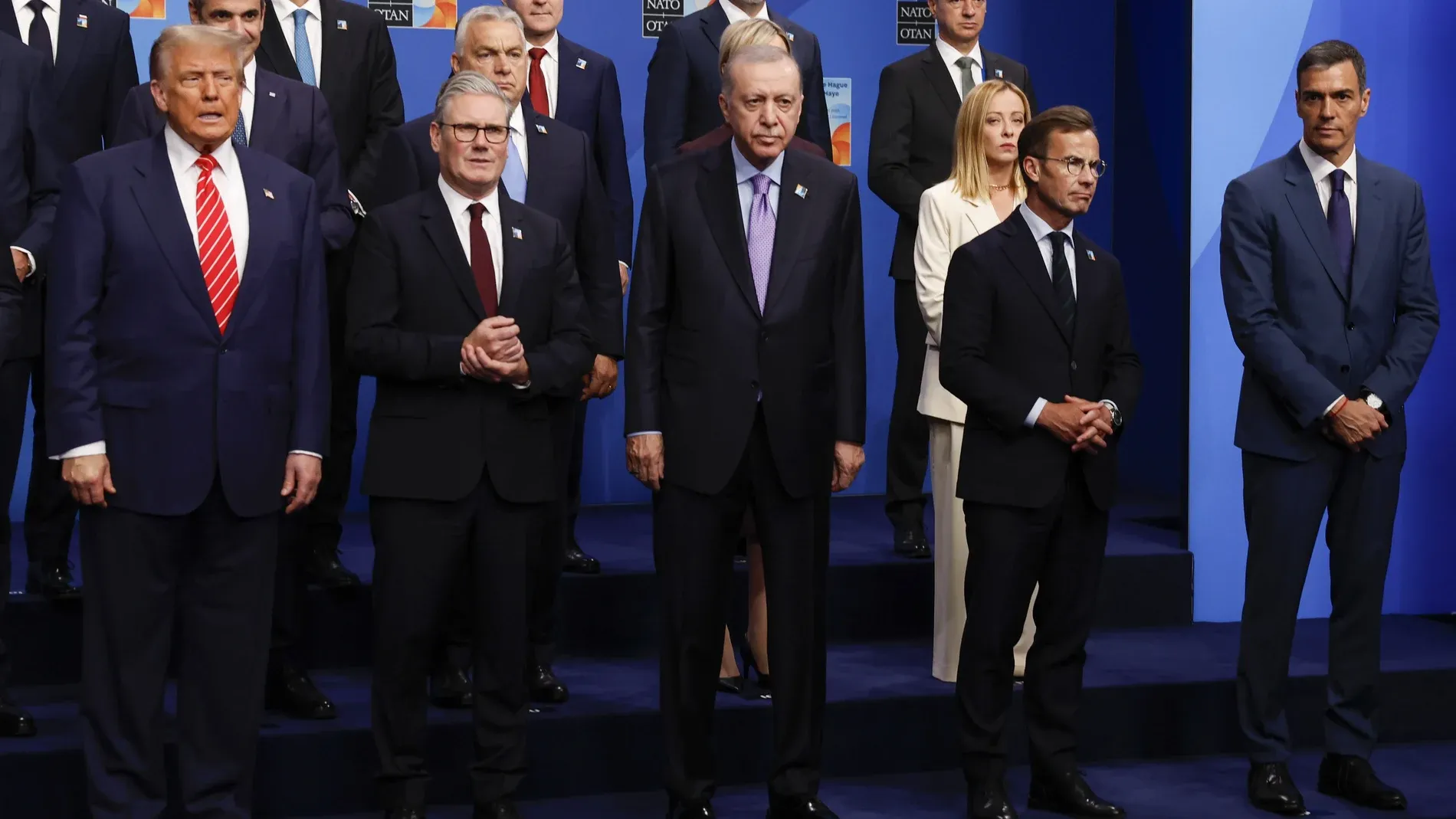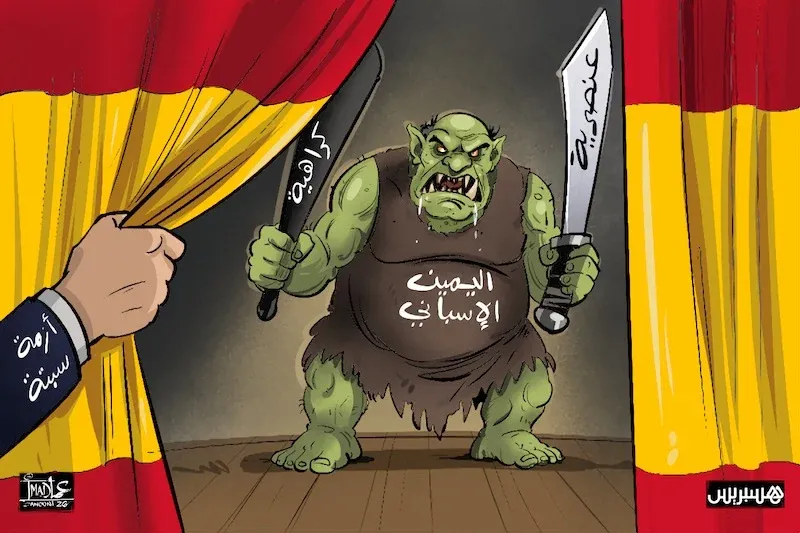

Today, the Morocco that Spain interacts with is vastly different from the image that has been ingrained in the Spanish political and media psyche for decades. Despite this transformation, a significant portion of the Spanish discourse continues to interpret Morocco through outdated lenses, seeking to find old narratives in contemporary changes that reinforce long-standing stereotypes and preconceived notions. This highlights one of the greatest contradictions in the relationship between the two nations: while Morocco has undergone profound changes, the perspectives held by many within the Spanish political and media elite have not evolved to the same extent.
In recent years, Morocco has become increasingly prominent within its African context, diversifying its international relations, enhancing its ability to defend its interests, and opening up to multiple economic and strategic partnerships. This shift is a natural evolution for a nation striving to solidify its position in a rapidly changing world where power dynamics are in constant flux. However, a segment of the Spanish narrative views these developments as threats, as if Morocco is expected to remain in the confines of the image Spain has historically held, rather than advancing according to its own interests and vision.
Consequently, every move made by Morocco becomes a cause for concern. For instance, diversifying international partnerships is interpreted as a distancing from Spain, while strengthening its presence in Africa is framed as an attempt to expand influence. Likewise, modernizing its defense capabilities signals aggressive intentions, and engaging with international powers is seen as constructing a network to pressure Madrid. Even major economic projects, diversification of energy sources, and infrastructure development are not always viewed as manifestations of Morocco's economic dynamism, but rather as elements of geopolitical competition.
The issue does not lie in Spain having concerns, interests, or strategic calculations; nations do not manage their foreign relations based on emotions. The problem arises when these fears become the sole lens through which Spain views its neighbor, and when Morocco becomes a ready explanation for every crisis, particularly in discussions surrounding Ceuta, Melilla, immigration, security, or economic relations.
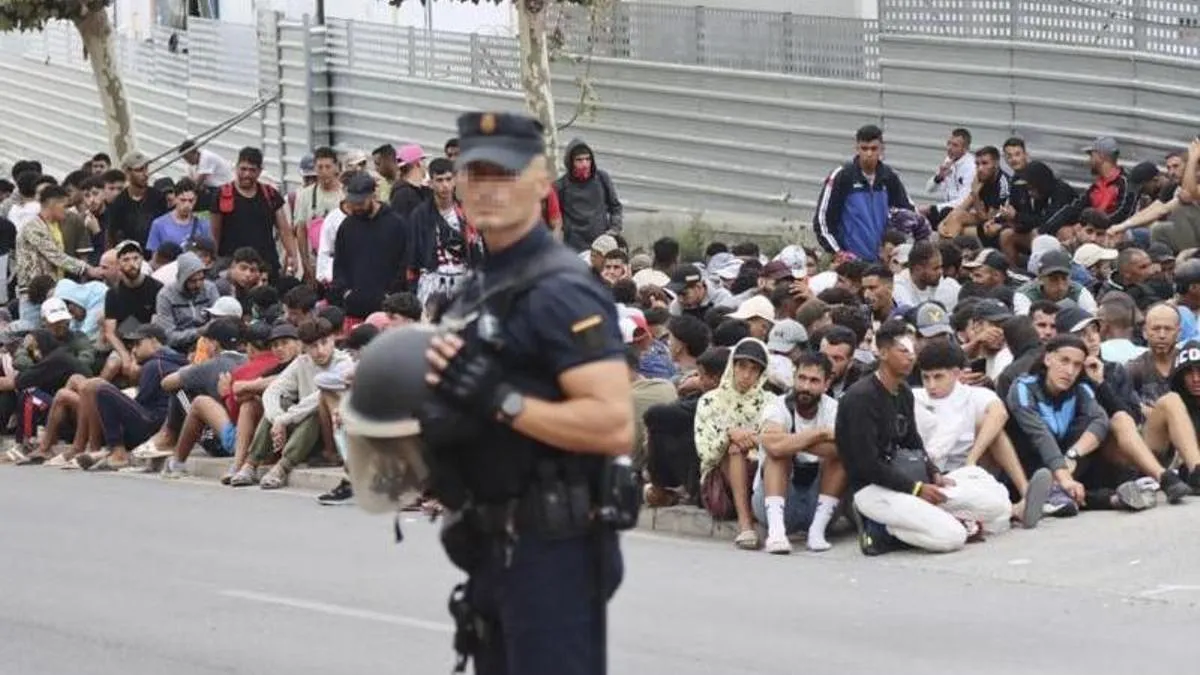
The recent crisis in Ceuta has highlighted the extent of this distorted perception. The discourse swiftly shifted from analyzing the causes and management of the situation to a broader discussion about Morocco itself: its strength, intentions, alliances, foreign policy, and military capabilities. A specific event became a pretext for rehashing a complete narrative about Morocco, suggesting that all its achievements over the years can only be understood through a security or geopolitical obsession.
More alarmingly, in some Spanish political and media discourses, Morocco has become entangled in internal conflicts; whenever competition intensifies between the government and opposition, or certain political forces seek to stir national sentiments, Morocco resurfaces as a focal point. Ceuta and Melilla are turned into political bargaining chips, and the stance towards Rabat becomes a measure of patriotism, while more pressing questions about the future of the relationship between two countries that share geography, interests, borders, history, and economic and security domains often remain unaddressed.
This line of thinking does not aid Spain in understanding Morocco; instead, it traps Spain in an image it has constructed of Morocco. Nations should not be interpreted through their historical fears, but rather through their evolving realities. Morocco today is not merely a southern neighbor to Spain, nor just a partner in immigration, security, and trade issues. It is a nation with a clear vision of its interests, operating within its African, Mediterranean, and international arenas based on its own calculations, and building relations on the foundation of diversified partnerships without being beholden to a single axis.
In today’s world, it is natural for Morocco to seek multiple partners, to expand its economic and strategic relationships, to leverage its geographical position, to enhance its defense capabilities, to develop its infrastructure, and to open new avenues for its economy. These are not privileges granted by any state and should not be misconstrued as messages directed against Spain. A state that aspires to be an influential actor cannot base its foreign policy on appeasing the fears of others.
Conversely, Spain possesses the attributes necessary to become one of Morocco's most significant partners, potentially deriving substantial benefits from forging a new relationship. Geography places the two countries in proximity, their economies are intertwined, the Mediterranean and African contexts necessitate a high degree of coordination, and shared challenges in energy, security, immigration, and trade render cooperation more practical than perpetual confrontation.
However, cooperation cannot be founded on a relationship where one party is perpetually required to prove its goodwill, while the other reserves the right to interpret every shift as a threat. A mature relationship begins with mutual recognition of the changes that have occurred on both sides and the ability to overcome stereotypes that no longer reflect reality.
Perhaps what Spain needs most today is to reassess its perspective on Morocco. This does not entail abandoning national interests or the discussion of contentious issues, but rather relinquishing the belief that Morocco can remain confined to the image that was painted for it in a different historical period. The Morocco that was once viewed solely through its position in the southern Mediterranean is now present in Africa, an economic partner to major global powers, an actor in matters that transcend its borders, and a state actively reshaping its position within its regional and international surroundings.
Continuing to perceive this transformation as a threat will only foster further misunderstanding; as Morocco grows stronger, its need to diversify its relationships will increase, its international presence will expand, and as its capabilities evolve, it will have a greater ability to defend its choices. Attempting to interpret these dynamics solely as a project directed against Spain is not a strategic reading but rather a reductive simplification of profound transformations.
Therefore, the question Spain should ask itself is not how to revert Morocco to the image it has grown accustomed to, but how to engage with the Morocco that exists today. The distinction between these two questions is significant, as it shifts the relationship from one of fear of transition to one of realistic engagement with it.
Morocco has changed, and this should be a starting point, not a source of concern; the nature of the world around it has also altered, and international relations are no longer constructed according to outdated mental maps. Hence, the future of Moroccan-Spanish relations will not be determined by stereotypes, media campaigns, or political posturing, but rather by the ability of both parties to accurately interpret reality as it is.
However, the greater responsibility lies with those who still view Morocco through the lens of the past; Morocco does not need to prove that it has changed, as the transformations in its economy, diplomacy, African presence, and international relations speak for themselves. What requires reassessment is the perspective that has yet to grasp this change.
Spain faces a simple truth: the Morocco it engages with today is not the Morocco of yesterday. Those seeking a stable and fruitful relationship must deal with its current reality, not the image that has settled in the collective imagination; the future cannot be built on a fictional Morocco, but rather on the Morocco of today and tomorrow, not the Morocco of yesterday.
As reported by hespress.com.