
Devastating Impact of the 2023 Al Haouz Earthquake
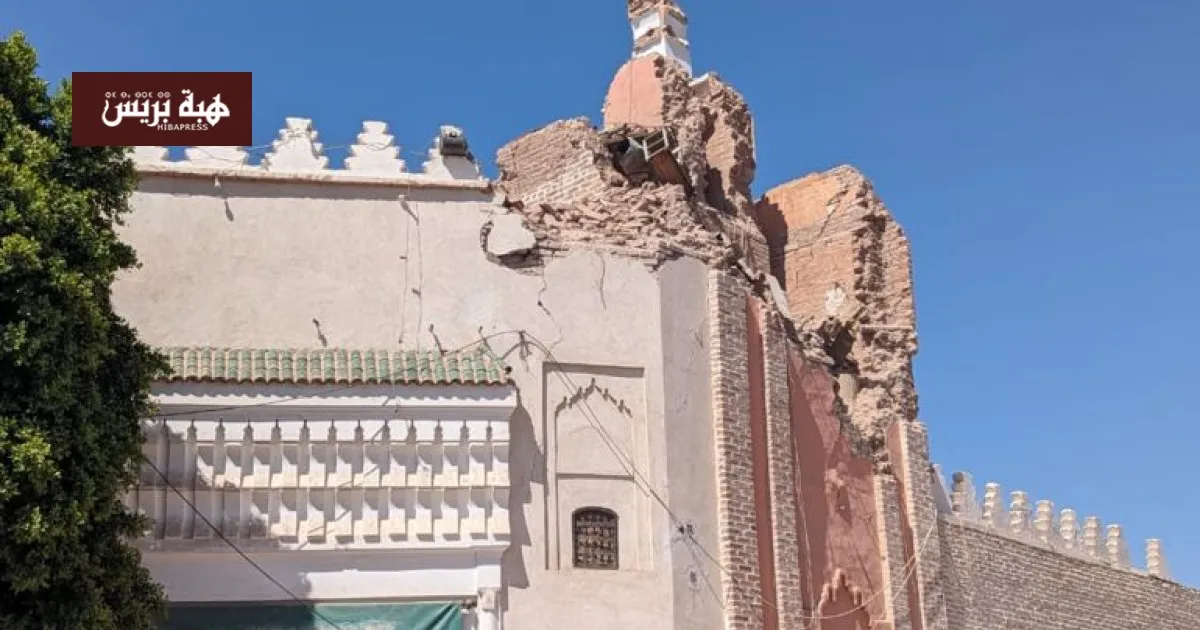
The Al Haouz earthquake that struck the expansive regions of the High Atlas Mountains on September 8, 2023, resulted in catastrophic losses that severely affected infrastructure and numerous vital facilities within the impacted villages and communities. Among the most significantly affected structures were the mosques, which serve as central spaces for worship and social interaction within these rural societies. The destruction of these sacred sites has left many communities grappling with not only the loss of their places of worship but also the disruption of their social fabric.
Government Initiatives for Mosque Reconstruction
In the aftermath of this natural disaster, the Ministry of Awqaf and Islamic Affairs, through its Directorate of Mosques, announced a comprehensive program aimed at rebuilding and restoring the damaged mosques. This initiative is part of broader reconstruction efforts to revive the religious life in areas that have lost a significant number of places of worship due to the earthquake. According to official data, the program encompasses over 500 mosques spread across several severely affected provinces, including Al Haouz, Marrakech, Chichaoua, and Taroudant. Specifically, the plan includes the rehabilitation or reconstruction of 221 mosques in the Marrakech and Chichaoua regions, 142 mosques in Taroudant, and 171 mosques in the Al Haouz province.
The commencement of this reconstruction program was initially slated for 2025, with the scheduling of some mosque handovers before the end of that year, while the remaining projects are expected to be completed by 2026. However, on-the-ground reports indicate that many of the affected villages are still waiting for their mosques to reopen. In the interim, residents have been compelled to perform their prayers in temporary tents or alternative spaces that do not always provide suitable conditions.
This situation has reignited discussions regarding the pace of reconstruction efforts, particularly given the pivotal role that mosques play within rural communities—not only as places of worship but also as venues for social interaction and the strengthening of community bonds. Observers are raising numerous questions about the progress of the reconstruction program and the potential challenges that may hinder these projects, whether they are related to the difficult geographical conditions of the mountainous areas or to the technical and organizational aspects associated with executing these works.
This issue holds particular significance considering the attention that King Mohammed VI, in his capacity as Commander of the Faithful, dedicates to the maintenance and rehabilitation of houses of worship across the kingdom, thereby enhancing their religious and cultural roles within Moroccan society. Amid the announced programs and the expectations of the affected population, the rebuilding of the Al Haouz mosques remains a critical component of the broader reconstruction efforts following the earthquake, as the community waits for the completion of these projects and the opportunity for mountain village residents to reclaim their religious spaces as soon as possible.
As reported by ar.hibapress.com.