
Understanding the Disconnect in Moroccan Politics
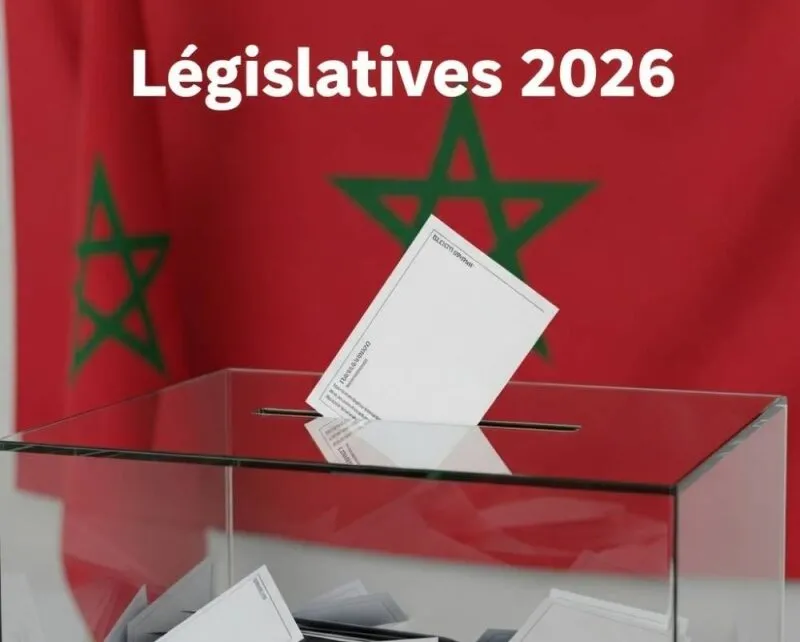
As Morocco approaches its legislative elections, the political landscape is buzzing with activity as parties engage in local meetings, public declarations, and social media campaigns, all in a bid to connect with an electorate that has grown increasingly skeptical of institutional politics. Political scientist Aisha Kadaoui, in her recent opinion piece for Telquel, highlights a pressing concern that underlies this frenetic pre-electoral activity: what substantive measures are the parties undertaking to restore trust among voters?
Kadaoui begins her analysis with a telling incident in Ouarzazate, where Abdelilah Benkirane, the Secretary-General of the Justice and Development Party (PJD), faced an audience member who expressed his disillusionment with political parties. In a seemingly dismissive response, Benkirane questioned why the attendee had even bothered to show up if he had already lost faith, implying that dialogue is futile with those who have lost trust. This exchange raises a critical inquiry: should political figures reflect on why individuals remain present despite their disaffection, or should they probe into the reasons behind the erosion of trust? This distinction unveils two contrasting perspectives on political engagement — one that views trust as an essential prerequisite for participation and another that posits that true political dialogue begins where trust has faltered.
Kadaoui articulates that the pre-campaign activities have devolved into a near caricature of genuine engagement, primarily focused on courting local influencers and notable figures capable of rallying votes, rather than addressing the actual needs of the populace. This, she argues, reduces the electoral process to a mere transactional exchange, neglecting the vital understanding of the community's needs and aspirations that political parties encounter primarily during election cycles.
The Shifting Dynamics of Youth Engagement
However, Kadaoui challenges the notion that this behavior indicates a complete withdrawal from the political arena. She points to Morocco’s Generation Z, a segment of the youth that has increasingly distanced itself from traditional political structures, opting instead for more informal platforms to express their discontent and aspirations. This demographic is not entirely disengaged; rather, they are crafting their own narratives and methods of protest, often wrapped in layers of sarcasm that reflect a deeper sense of disillusionment with established political norms.
Moreover, Kadaoui highlights a significant communication gap: while politicians may employ the local dialects of citizens, they often remain estranged from the genuine issues that affect everyday lives. The use of abstract terms like “development” and “youth support” fails to resonate when juxtaposed with the tangible demands of the populace. She notes that all political parties tout promises of change and closeness, leading to voter confusion as they struggle to differentiate between competing political platforms. Thus, framing this crisis solely as a communication issue overlooks the essential need for authentic representation — it is not merely about producing more polished campaign content, but about fostering a real connection and understanding with the electorate.
As reported by northafricapost.com.