
Audit Reports Uncover Systemic Issues in Property Tax Management
Recent audit reports have scrutinized the management of property tax collection across various local municipalities, revealing significant gaps in the processes related to tax assessment, monitoring of taxpayers, and the collection of dues associated with undeveloped urban land and subdivision operations. These findings have implicated municipal officials, including council presidents, deputies, and staff, in irregularities that have undermined the mobilization of self-generated resources and hindered the timely collection of owed amounts.
According to well-informed sources, leaks from reports prepared by regional audit councils in regions such as Casablanca-Settat, Rabat-Salé-Kénitra, Marrakech-Safi, and Fes-Meknes have indicated violations involving more than 23 heads of municipal councils, along with deputies and employees responsible for managing tax files. The focus of these reports has been on identifying shortcomings in the processes of property inventory, updating databases of properties and taxpayers, and monitoring the declarations used in tax calculations.
The sources further highlighted that audit judges noted the failure of some municipalities to conduct the annual inventory of properties subject to property tax, which has resulted in leaving certain assets outside the tax monitoring framework and delaying the identification of associated dues. It was pointed out that, in certain cases subjected to scrutiny, property owners had to submit requests for building permits before their tax statuses were discovered and the tax collection process initiated, instead of proactively conducting inventory and monitoring operations.
Moreover, the audit reports identified a lack of effective use of data available from other public administrations and institutions, despite its critical importance in regulating tax bases and identifying liable parties. Audit judges specifically recorded deficiencies in utilizing information from the National Land Conservation Agency to ascertain property ownership and align registered properties with local tax databases, which would help in uncovering undeclared ownerships and updating their statuses.
The limited exchange of information has created a significant gap in the tax collection process. In situations under review, municipal departments relied on their existing data without regularly cross-referencing it with other informational sources, weakening their ability to track changes in property ownership and identify those subject to taxes on undeveloped urban land.
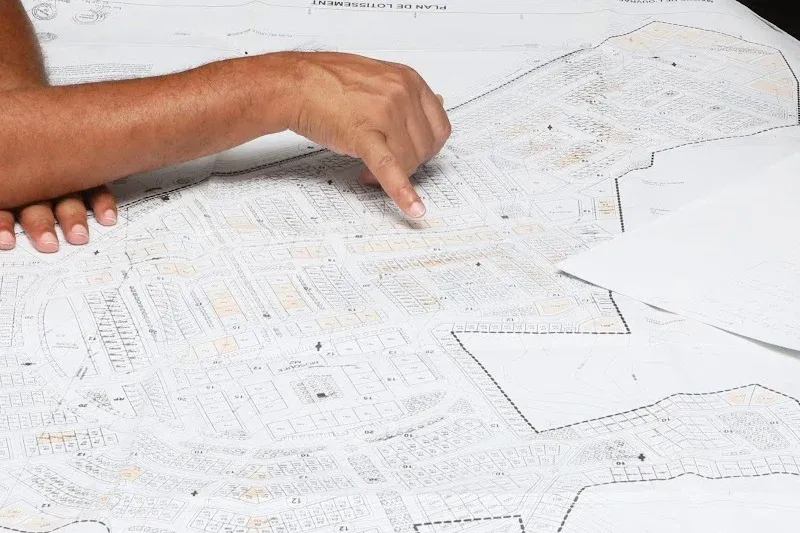
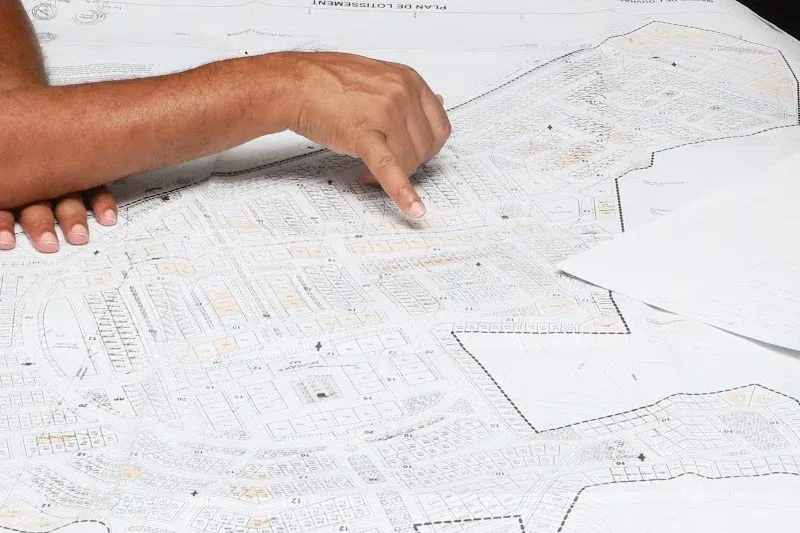
Additionally, sources revealed that the judges' observations extended to the management of taxes related to subdivision operations, as the audit tasks highlighted the negligence of over 37 municipalities in enforcing dues after the legal three-year deadline, even in cases where infrastructure works had not been completed or temporary acceptance certificates had not been obtained. This pointed to a failure in monitoring project timelines and linking them to the scheduled dates for fulfilling tax obligations.
Furthermore, the auditing body also examined the methods used to determine the costs that are employed to calculate taxes on subdivision activities, noting the omission of certain expenses from the estimated costs of infrastructure works, particularly those related to the establishment of communication networks, which affected the calculation of the tax bases for the municipalities. The discrepancies recorded in the cost of infrastructure caught the attention of the audit judges, as the reported values in scrutinized files ranged from 99 to 300 dirhams per square meter, prompting a closer examination of the documented expenses and the estimation methods used, as well as the criteria employed by pertinent authorities when settling taxes and whether the submitted declarations were subjected to verification before approval.
As reported by hespress.com.