
Declining Import Numbers Highlight Ongoing Controversy
The year 2025 witnessed a historic low in the number of companies engaging in the importation of phosphate rock from the occupied territory of Western Sahara, with only three firms participating in this trade, as detailed in the latest annual report titled 'P for Plunder' released by Western Sahara Resource Watch (WSRW). Phosphorus, a vital element found in phosphate rock, is crucial for all life on Earth and plays an indispensable role in agricultural production, being the key ingredient in fertilizers. However, for the indigenous Saharawi people, the exploitation of their natural resources does not translate into benefits; rather, it represents a continuous cycle of loss and disenfranchisement.
For thirteen consecutive years, WSRW has meticulously compiled a comprehensive overview of the companies involved in the procurement of phosphates from Western Sahara, a territory under illegal occupation by Morocco since 1975. The report underscores that the Moroccan government heavily relies on the revenue generated from the exportation of these resources, which violates international law. The Saharawi people have consistently voiced their opposition to this trade, advocating for justice through various platforms, including the United Nations and direct appeals to involved corporations.
Significant Trade Volumes Amidst Controversy
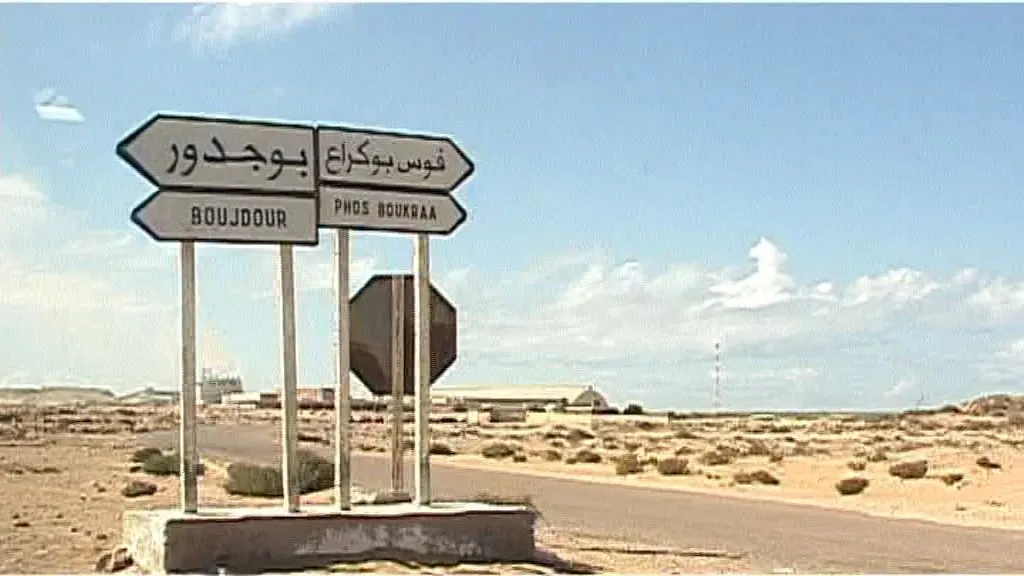
Despite the decrease in the number of importing companies, the volume of phosphate rock exported from Western Sahara saw a notable increase in 2025. The report indicates that a total of 36 vessels departed from the territory, transporting approximately 2.02 million tonnes of phosphate rock—an increase from the 1.45 million tonnes recorded in 2024. This surge in export volume marks the highest recorded by WSRW in a single year since 2014. Morocco's strategic investments in the port and Bou Craa facilities since 2021 have significantly bolstered its phosphate trade, potentially leading to the exportation of processed phosphates, which would enhance profitability. WSRW estimates that the value of this trade could reach around USD 376.5 million for the year 2025, particularly influenced by external factors, including the global repercussions of Russia's invasion of Ukraine.
India emerged as the largest importer of phosphate rock in 2025, receiving 1.34 million tonnes, followed by Mexico with 508,000 tonnes and New Zealand with 171,000 tonnes. This year marked an unprecedented low in the number of countries participating in the importation of such resources, reflecting a significant shift in the international landscape regarding trade with occupied Western Sahara. Notably, India's import volumes have doubled, with shipments occurring on average twice a month, compared to the previous year.
WSRW continues to urge all companies involved in this controversial trade to cease their operations immediately until a viable resolution to the ongoing conflict is achieved. They call upon investors to reconsider their engagement in this sector, emphasizing the importance of ethical business practices.
As reported by wsrw.org.