
In a world where luxury travel is often synonymous with opulence and extravagance, Sarah Casewit emerges as a transformative force, offering discerning travellers experiences that transcend the ordinary. Her boutique consultancy specializes in crafting journeys that are rich in cultural depth and provide rare access to authentic experiences, ensuring that these trips resonate long after the journey has concluded.
The concept of luxury, derived from the Latin word 'luxus,' historically connoted excess and indulgence, often viewed with a moral lens of condemnation. Even in ancient Rome, where excess was lauded, there remained an undercurrent of shame associated with it. However, the twentieth century redefined luxury, stripping it of its guilt and replacing it with a universal aspiration. This evolution found its way into the travel industry, where luxury became quantified by thread counts, star ratings, and an almost telepathic level of service, leading to experiences that many travellers would soon forget upon returning home.
Sarah Casewit recognized this troubling trend early in her career. She recalls, “I was selling beautiful trips, but something felt hollow. Everything was smooth, seamless, expensive, and yet forgettable,” a sentiment that sparked her journey towards redefining luxury travel. Born in Marrakech and raised across five continents, Casewit is fluent in four languages and co-founded Naya Traveler, one of the pioneering female-led luxury travel companies. After a significant stint as the Director of Travel at a California tech firm, she launched her own consultancy in late 2025, which has been recognized by Forbes for its unique approach to travel.
Her extensive experience in the industry revealed to her the significant gap between what was marketed and what truly mattered in travel. While working in Buenos Aires, she realized the travel experience was often meticulously crafted and marketed, yet devoid of genuine depth. A pivotal moment occurred in Patagonia, where she witnessed travellers arriving via private helicopter to a receding glacier, seemingly oblivious to the absurdity and environmental implications of their actions. “They were moving through countries the same way they move through airports,” she reflects, leading her to conclude that luxury had been reduced to mere comfort, rather than being about profound experiences.
Casewit’s philosophy emphasizes the importance of intention in travel. She believes that the most memorable journeys are those that provoke a shift within the traveller, whether in emotions or perspectives. Her consultancy aims to foster a different kind of travel experience—one rooted in presence and mindfulness from the very moment the destination is chosen. “I knew exactly what I believed in, and I knew I couldn’t fully express it within someone else’s framework,” she explains, which prompted her to establish her own consultancy based in Mallorca, serving clients who are eager to embrace change and depth in their travel experiences.
Her clientele primarily consists of high-net-worth individuals seeking to escape the performative luxury often seen in the industry. Many of her clients arrive with detailed spreadsheets and a sense of anxiety about how to create meaningful experiences. By connecting them with local insiders, unique accommodations, and authentic guides, Casewit provides them with access to a different way of experiencing travel. “The value comes from knowing when to open a door, and for whom,” she asserts. An example of this is when a client requested a private meeting with a spiritual master, expressing surprise not only at the access but at the warm reception the master extended to a stranger.
Her approach often challenges the ingrained perceptions of luxury travel, particularly among American clients who equate luxury with rigid control and efficiency. “The first thing I try to shift is their relationship to time,” she says. For many destinations, waiting is not seen as a hindrance, but rather as an opportunity to immerse oneself in the unfolding life around them. One of the most profound requests she encountered was from a terminally ill woman choosing to spend her final year traveling with her children, seeking to create joyful memories rather than succumbing to sadness. “You realize you’re not just planning a trip. You’re holding something much more fragile,” Casewit reflects.
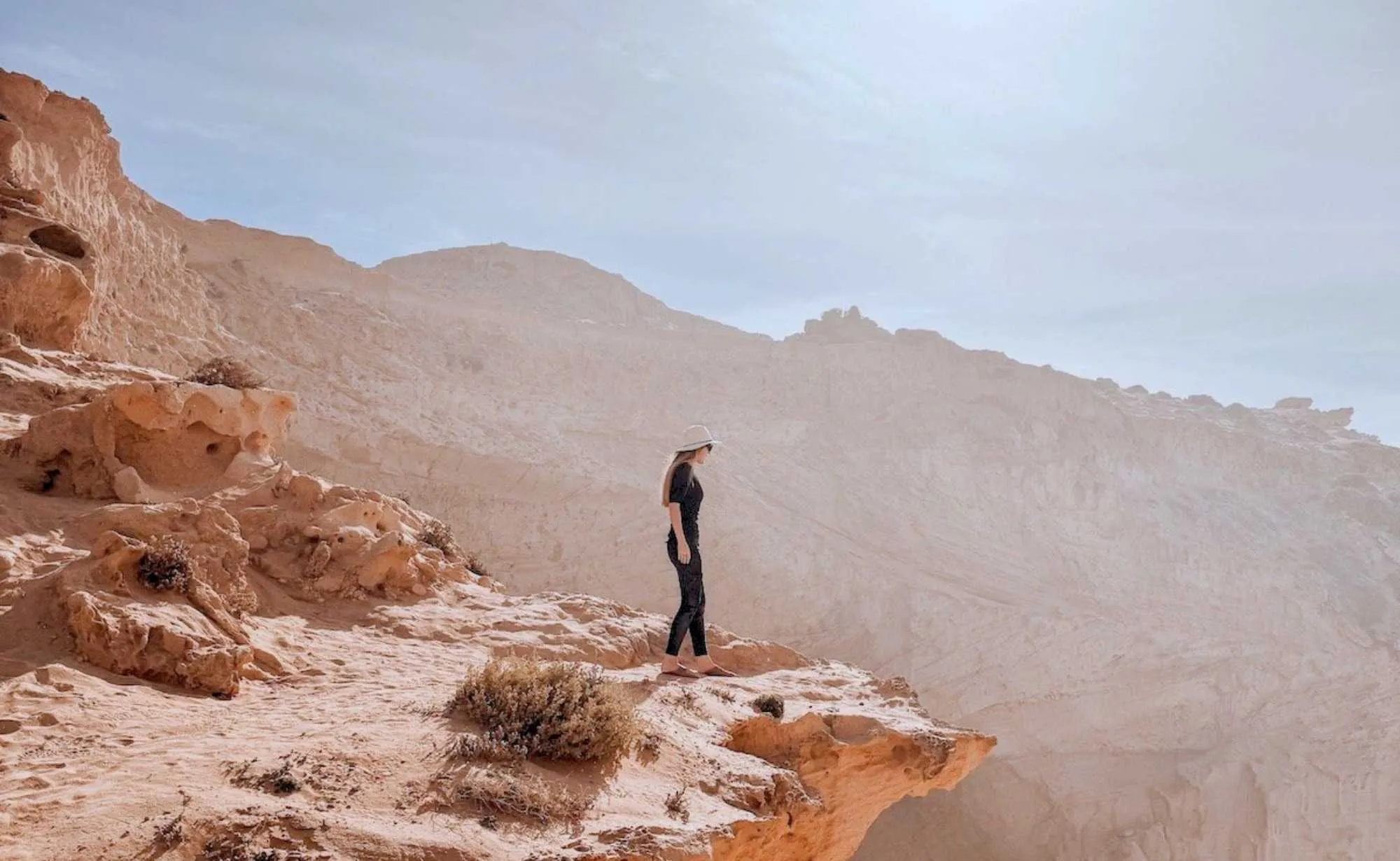
For Casewit, the journeys that linger in her memory often have an element of discomfort. Experiences like sharing a meal in silence with strangers in the Atlas Mountains or a night spent under the stars in the Sahara, devoid of distractions, evoke a raw, transformative essence. “Discomfort is often where the transformation happens,” she states, emphasizing that it is the absence of constant stimulation, rather than hardship, that facilitates growth.
This juxtaposition forms the crux of Casewit's mission: to operate within one of the most privileged sectors of the travel industry while simultaneously challenging the very instincts that privilege creates. For Sarah Casewit, luxury is not merely about eliminating inconvenience; it is about being in the right place, at the right time, with the right people—regardless of whether that setting is a lavish penthouse or a humble hut.
As reported by cairoscene.com.