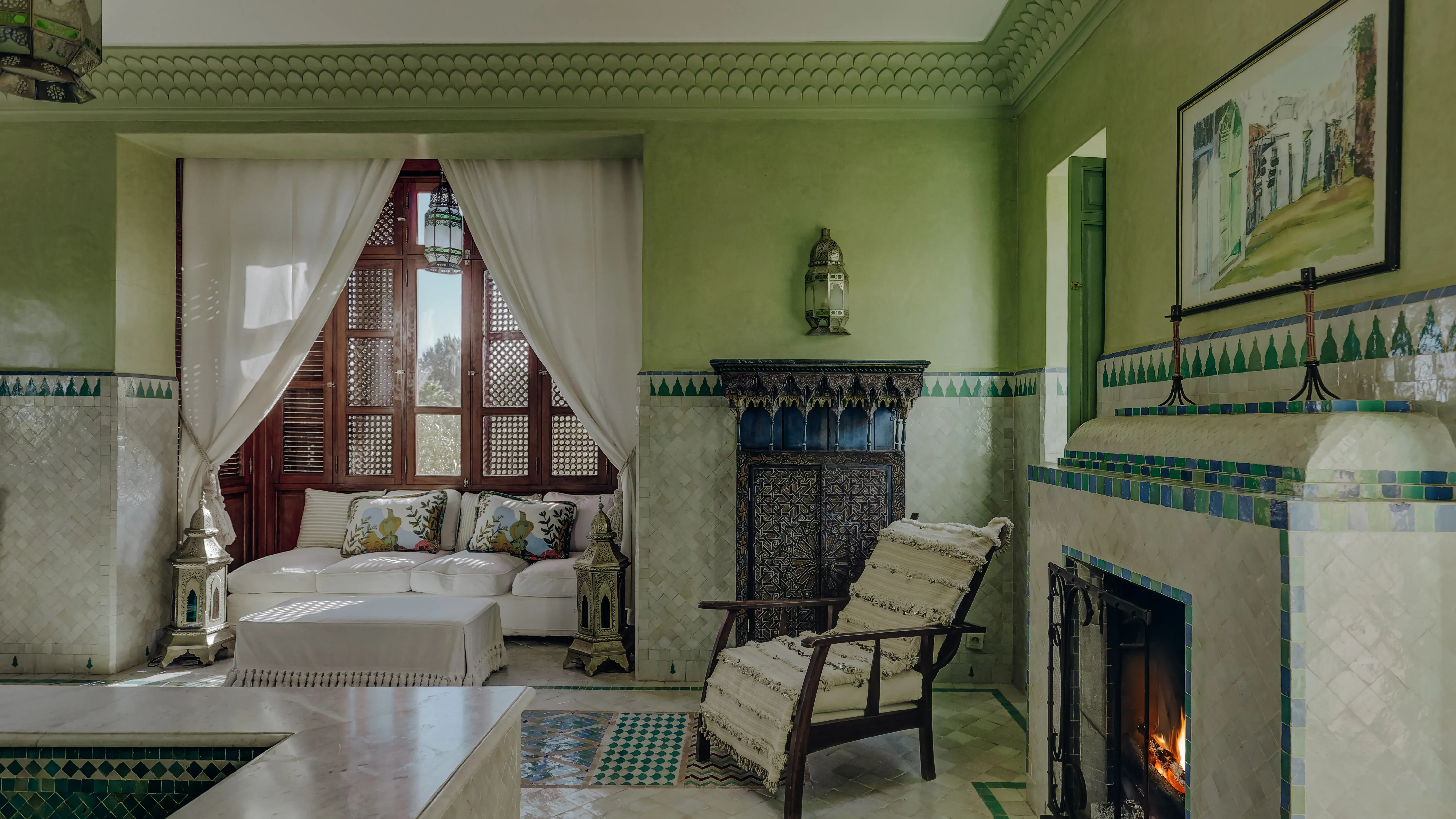

The Revival of Tadelakt in Contemporary Design
The traditional Moroccan plastering technique known as tadelakt is experiencing a remarkable resurgence among designers worldwide, thanks to its unique aesthetic and sustainable properties. Historically utilized by the Berbers, this ancient method of waterproofing walls has transcended its origins to become a sought-after choice in luxury wet rooms and elegant private spas. Tadelakt, which combines simple ingredients like lime, water, and soap with meticulous craftsmanship, not only showcases the ingenuity of its creators but also reflects a growing trend towards sustainability in modern design.
A Craft of Cultural Significance
Morocco remains the heart of tadelakt, where artisans have preserved this technique for centuries. However, as designers look for ways to infuse traditional methods into contemporary spaces, tadelakt has found its way into the global design lexicon, becoming a symbol of environmentally conscious luxury. Moroccan architect Hamza Rachad emphasizes the importance of integrating such traditional craftsmanship into modern projects, warning that without this effort, these techniques may fade into obscurity. Rachad articulates that the true value of tadelakt lies not just in its material properties but in the rich cultural heritage it embodies, making it a powerful medium for storytelling in design.
As the design world shifts towards an appreciation for imperfection, tadelakt aligns seamlessly with this aesthetic, presenting a handcrafted quality that enhances the visual and tactile experience of spaces. Interior designer Olivia Outred notes that tadelakt adapts beautifully to the underlying structure, whether creating sharp, architectural lines or soft, fluid surfaces that echo the natural world. The process of applying tadelakt involves a labor-intensive method of mixing and burnishing lime plaster, resulting in a finish that can range from glossy to matte, depending on the desired effect.
Color also plays a significant role in the versatility of tadelakt. A spectrum of pigments can be blended into the plaster, allowing designers to evoke various moods and styles. Traditional hues of terracotta resonate with historical contexts, while lighter tones open doors to contemporary interpretations. This adaptability ensures that tadelakt can complement any design vision, from rustic to ultra-modern.
Ultimately, the enduring appeal of tadelakt lies in its ability to bridge the gap between the past and the present. Designers like Meriem Midra and James Wix highlight the intrinsic qualities of tadelakt, which foster a connection to the hands that crafted it. In an age where mass production often leads to uniformity, the unique characteristics of tadelakt offer a refreshing alternative, celebrating the imperfections that make each application a work of art. As it continues to gain traction in boutique hotels, designer kitchens, and upscale spas, tadelakt remains a testament to the power of traditional craftsmanship in contemporary design.
As reported by admiddleeast.com.