
Addressing the Migrant Situation in Ceuta
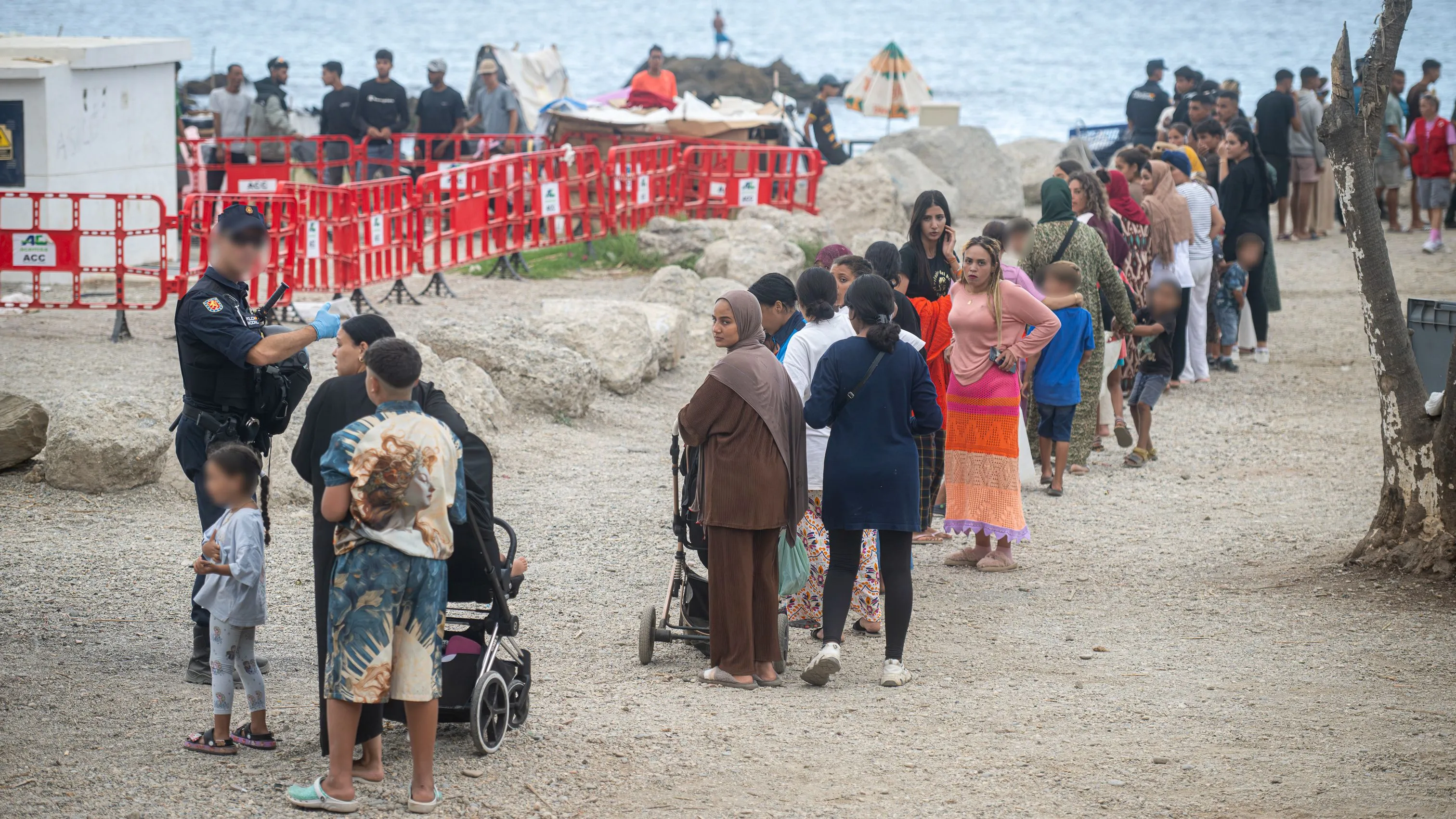
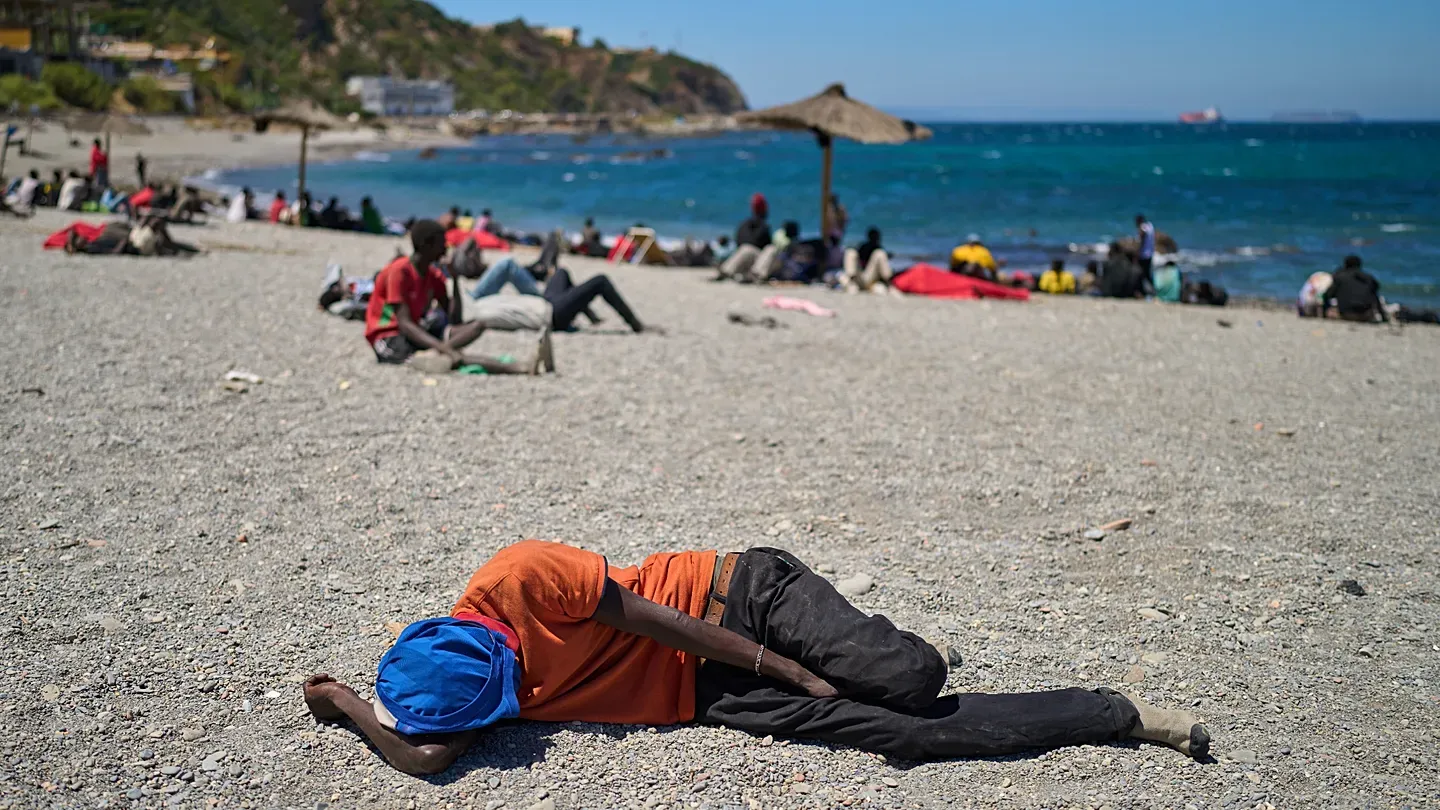
In the wake of a significant influx of migrants from Morocco into the Spanish exclave of Ceuta on July 30, representatives from four different religious communities have come together to advocate for collaborative solutions to the pressing issues facing the city. The plight of unaccompanied minors among these migrants has particularly alarmed many, compounded by the city’s limited resources and ongoing disputes between Spain and Italy regarding border controls, which have intensified the political landscape.
Ceuta's president, Juan Jesús Vivas, held a meeting on Saturday with the Minister of Youth and Childhood, Sira Rego, who traveled to the autonomous city primarily to address the situation of unaccompanied minors. The Spanish government has identified 1,342 minors thus far, though many remain unaccounted for. Following their discussion, Vivas, a member of the conservative People's Party (PP), emphasized his administration's stance on repatriating the minors to Morocco, stating, "The only way out is through the Tarajal border crossing." He described the current situation as "absolutely untenable" and called on the central government in Madrid for increased resources and additional security personnel.
Calls for Protection and Assistance
In contrast, Minister Rego highlighted the importance of safeguarding the minors, insisting that each case must be assessed individually. She advocated for family reunification whenever possible, while noting that many unaccompanied migrant children lack familial connections. In these instances, she asserted that autonomous communities should fulfill their guardianship responsibilities and ensure the minors' rights are upheld. Furthermore, she announced that the government would allocate "all available resources" for accommodating these minors and provide comprehensive support to Ceuta, including financial, technical, and personnel assistance. An expert team from the ministry has also been deployed to the city to facilitate the organization of care and coordination with regional authorities.
A commission meeting focused on childhood and youth issues has been scheduled for August 13, during which discussions will revolve around the relocation of minors from Ceuta. The right-wing party Vox has declared that its vice-presidents responsible for this matter in Castilla y León, Extremadura, and Aragón will not attend the meeting, reiterating their opposition to the redistribution of minors with the slogan "Minors to their families." In a show of unity, the four main religious communities in Ceuta—Christian, Muslim, Jewish, and Hindu—gathered for a rally at the Plaza de la Constitución, under the banner: "Enough. Ceuta will not give up." Their aim was to send a joint message of solidarity and peaceful coexistence, as they called for solutions to the city’s current challenges. A manifesto expressing their commitment to defending Ceuta was to be read during the event, with participation from the city’s trade unions, UGT and CCOO.
President Vivas encouraged local residents to join the rally, emphasizing that it transcends political differences. "This is not a rally for anyone in particular. It is not a rally for a political party. It is not a rally to favor anyone specifically," he stated. "It is a call to show that Ceuta will not back down. That Ceuta will stand its ground and forge its path." He continually stresses the importance of community cohesion among the residents while maintaining a critical stance toward the central government, asserting that he would uphold "institutional loyalty" and the "national interest." Vivas also indicated that the socialist government has stumbled twice over the same issue following the border crisis of 2021 and the current situation.
The ongoing crisis has further fueled political tensions, particularly in light of Spain's decision to implement temporary checks at ports and airports for travelers from Italy, following Italy's refusal to lift controls on passengers arriving from Spain. Isabel Díaz Ayuso, the president of the Autonomous Community of Madrid, criticized this action on social media, stating, "We let over 70,000 people enter illegally through Ceuta and yet prohibit Italians from entering, a brother state that invests in Spain." Meanwhile, Alberto Nadal, the PP's deputy secretary for economy and sustainable development, accused the government of Pedro Sánchez of isolating Spain within the European Union through its migration policies and demanded explanations in Parliament.
In contrast, the president of Extremadura, María Guardiola, expressed her disapproval of the government's response, urging a humane and serious acknowledgment of the situation instead of pitting regions against one another. Vox remains focused on opposing the relocation of minors from Ceuta to Spanish mainland regions, reiterating their slogan "Minors to their families" and announcing their vice-presidents’ absence from the forthcoming meeting.
As tensions between Madrid and Rome continue, Italian Foreign Minister and Deputy Prime Minister Antonio Tajani labeled Spain's response to Italian border controls as "unacceptable and incomprehensible." He noted that Italy had temporarily suspended Schengen agreements due to extraordinary circumstances in Ceuta but expressed a desire to lift these measures once the situation stabilized, accusing Pedro Sánchez of exaggerating the crisis. Tajani emphasized, "We are not against Spain, but we have a duty to protect our borders." The Italian opposition has criticized the Meloni government for allegedly provoking an unnecessary diplomatic crisis.
Both Spain and Italy have informed the European Commission that their respective border controls are temporary in nature. EU Commissioner for Home Affairs and Migration, Magnus Brunner, confirmed that both countries had acknowledged the temporary nature of these measures, hinting at indications that Italy might soon reverse its actions.
As reported by de.euronews.com.