Unearthing the Secrets of Spicomellus afer
In a groundbreaking discovery nestled within the stunning landscape of the Middle Atlas Mountains in central Morocco, a dedicated team of international palaeontologists and geologists has unveiled new fossils of an extraordinary dinosaur species known as Spicomellus afer. This dinosaur, part of the ankylosaur family, was a herbivorous creature characterized by its distinctive bony plates and formidable spikes that adorned its body. These newly unearthed fossils are believed to be the oldest ankylosaur remains ever found, dating back approximately 165 million years to the Middle Jurassic period, emphasizing the significance of this discovery in understanding the evolutionary history of these remarkable reptiles.
The original rib of Spicomellus afer was first identified in 2021, marking a significant find for palaeontology due to the scarcity of ankylosaur fossils from this specific geological timeframe. This rib, which is now housed at the prestigious Natural History Museum in London, represented the earliest evidence of the ankylosaur lineage, which predominantly appears in the fossil record from the Late Jurassic and Cretaceous periods, roughly between 145 million and 66 million years ago. The recent discoveries, curated at Sidi Mohamed Ben Abdellah University in Fez, include additional bones that provide vital insights into the anatomy and ecological adaptations of this unique dinosaur.
Insights into Ankylosaur Evolution and Ecology
The newly discovered fossils comprise elongated spiked ribs, a cervical half-ring, and elements of the pelvic bones, all highlighting the astonishingly well-armoured nature of Spicomellus afer. Notably, some of these spikes were found to be fused directly to its skeleton, indicating that they were integral to its physical structure rather than merely superficial. This evidence suggests that the characteristic tail weapons of ankylosaurs evolved significantly earlier than previously theorized, shedding light on the dual role of these adaptations in both defense against predators and potential social signaling among their species. The stiffened tail, equipped with fused vertebrae, would have provided robust protection, while the spikes on its body would have rendered it a daunting target for any would-be attackers.
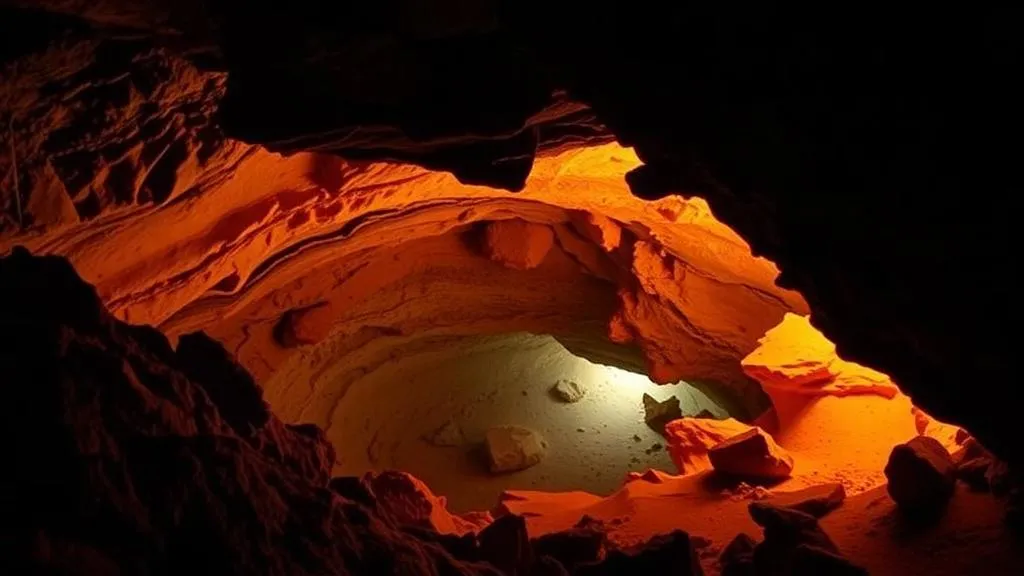
The fossils were unearthed from the Jurassic red beds of the Middle Atlas, a region known for its sedimentary rock formations that bear witness to the tectonic and climatic evolution of the area. These red beds, primarily composed of sandstones and mudstones stained with iron oxides, typically form in continental environments such as rivers and floodplains under semi-arid to arid conditions. The ecological significance of the Middle Atlas cannot be overstated, as it features high plateaus, dense forests, and numerous lakes, all of which played a crucial role in shaping the habitat of ancient dinosaurs and the preservation of their remains.
Future research endeavors will focus on detailed anatomical and histological analyses of the discovered fossils, in addition to ongoing fieldwork aimed at identifying additional specimens. Through these efforts, scientists hope to refine their understanding of the evolutionary trajectory, functional morphology, and palaeoecology of armoured dinosaurs in North Africa, ultimately unraveling the mysteries surrounding their appearance and lifestyles in their ancient environments. This collaborative venture between palaeontologists and geologists from the UK, Morocco, and the US exemplifies the power of international cooperation in advancing our knowledge of prehistoric life.
As reported by allafrica.com.