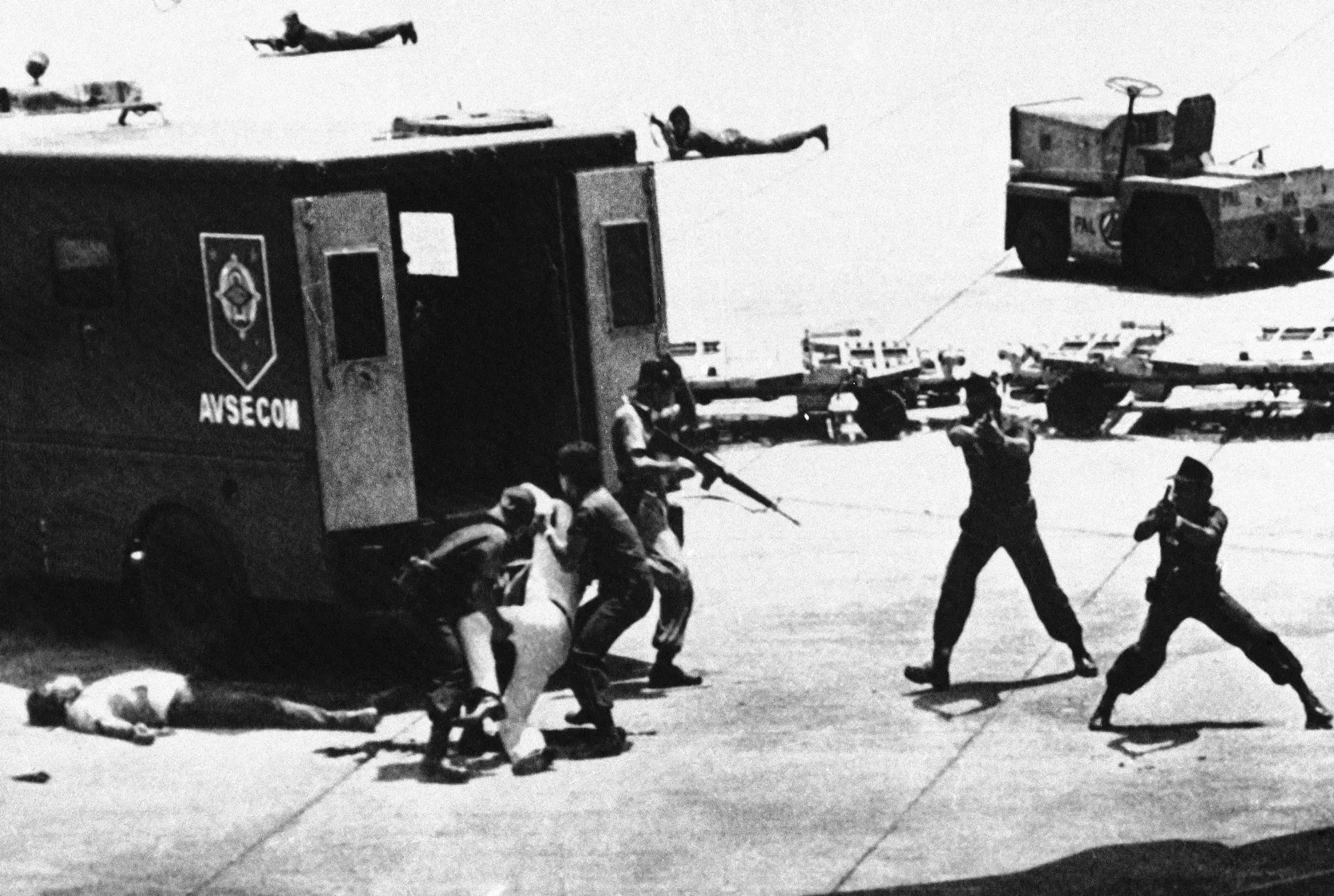

Commemoration of a Key Historical Event
On August 21, a significant event in Philippine history is remembered—the assassination of Benigno Aquino Jr., a prominent opposition leader whose death marked a pivotal moment in the country’s political landscape. Aquino, who had long been a vocal critic of the authoritarian regime of President Ferdinand Marcos, was returning to the Philippines after years of self-imposed exile in the United States. His assassination at the Manila International Airport upon his return ignited widespread outrage and protests across the nation, ultimately leading to a series of events that would culminate in the People Power Revolution of 1986, which successfully ousted Marcos from power.
The Legacy of Aquino's Leadership
Aquino's legacy extends beyond his tragic death; he is remembered as a symbol of resistance against oppression and a champion of democracy. His commitment to civil rights and democratic governance resonated deeply with the Filipino people, inspiring a movement for change that sought to dismantle the long-standing dictatorship. The outpouring of grief and anger following his assassination galvanized the opposition, uniting various sectors of society in a struggle for freedom and justice.
In the years following his death, the Philippines underwent significant transformations, with the eventual restoration of democracy and the establishment of a new political order. Aquino's family continued his fight for democratic ideals, with his widow, Corazon Aquino, becoming the first female president of the Philippines. Today, the memory of Benigno Aquino Jr. serves as a reminder of the importance of standing up against injustice and the power of collective action in the pursuit of liberty.
As reported by pressdemocrat.com.