
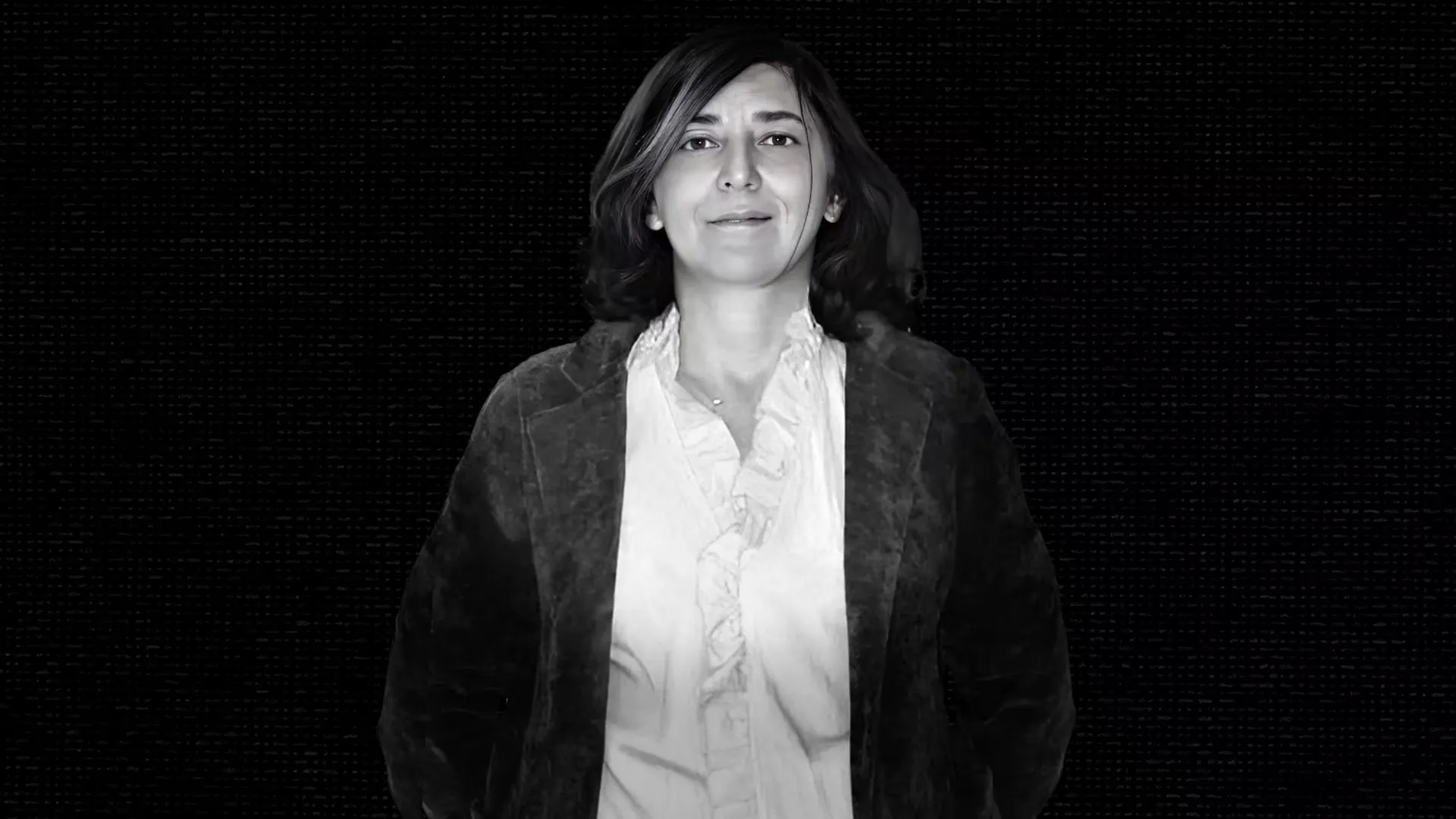

Péroncel-Hugoz was not just a journalist; he was a vibrant voice at _Le Monde_, during its illustrious era under Hubert Beuve-Méry’s stewardship. His career began in Algeria, transitioned to Cairo—where he was expelled for denouncing the presence of the Muslim Brotherhood within Sadat's military just weeks before the Egyptian president's assassination—and later took him to Lebanon amidst its tumultuous war. Throughout his journeys, he became one of the most astute French observers of the Arab world, simultaneously honing his ability to identify and nurture literary talents.
He recognized the literary prowess of figures like Tahar Ben Jelloun and Mohamed Kacimi early on, and as a columnist, he dedicated a special focus on Francophonie, a section he passionately managed for fifteen years. Until his passing, he grappled with the sense of betrayal felt towards the Francophone project by the French political elite. He often quoted Boutros Boutros-Ghali, the then Secretary-General of the International Organization of La Francophonie, who remarked, “_Francophonie, if it happens, will happen against France!_”
Péroncel-Hugoz was also a prolific writer, initially embracing the title of “traveling writer.” His works, such as _Villes du Sud_ and _Traversées de la France_, alongside others like _Fil rouge portugais_ and _Petit Journal lusitan_, blended travel narratives with historical chronicles. His writings, however, were not merely explorative; they were deeply political, marked by a clear rejection of complacency towards Islamism. He stood as a defender of Eastern Christians and the historical role of France in the Levant, while critically addressing the dangers of Islamist fundamentalism and the Western complicity in its rise, particularly in his significant essay, _Le Radeau de Mahomet_. He also coined the term “_islamérique_,” which highlighted a “_deadly danger_” for France and Europe: the convergence of American hegemony and Islamist expansion on European soil.
As a dedicated editor, he used his literary acumen to uplift others. He played a crucial role in promoting Southern voices in France through collections like “Islamie” and “Le Nadir” at Balland, bringing to light authors from the Maghreb such as Tunisian Moncef Marzouki, Kabyle Kassa Houari, and Moroccan Hinde Taarji, the author of _Voilées de l’Islam_. In Casablanca, he revived forgotten texts like Pierre Loti’s _Au Maroc_ and lesser-known works such as Alexandre Dumas’s _Escale à Tanger_ through his collaborations with La Croisée des Chemins and Afrique Orient.
Hugoz was not one to retreat into a defensive posture regarding French literature; rather, his vision of Francophonie was an invitation to explore the world and his own, rooted in the experiences of a traveler who held deep loyalties to his childhood. Born into a Catholic, monarchist family from Provence, his compass always pointed south. His early academic pursuits, which intertwined Napoleonic history with the Arab world, showcased his curiosity regarding the intertwined fates of France and the East. Following in the footsteps of figures like Lyautey, de Gaulle, and Jobert, he developed a personal perspective on the Arab-Muslim world, fueled by a profound understanding of its societies.
Hugoz found a home in Morocco, choosing to settle there for the last two decades of his life, embracing its intimate geography, culture, and people. He described Moroccans as “patriotic, devout, modest, and royalist,” contrasting this with his perception of contemporary French society. From Mohammedia, he communicated with readers of _360_ and _Nouvelle Revue universelle_, offering insights that intertwined grand and local histories, capable of covering centuries in a single column while also reviving forgotten anecdotes and characters of the past.
His intellectual legacy is reflected in his affinity for storytelling, often sharing the tales of Moroccan dynasties and cultural legends with children during family hikes in the Chaouïa region. Hugoz embodied a complex personality of the 20th century, loyal to Beuve-Méry’s motto of challenging preconceived notions. He navigated his identity as a Catholic in a land of Islam with ease, acknowledging the existence of ‘Westernized Orientals’ and vice versa. A passionate defender of the French language, he was also a polyglot, fluent in classical and dialectal Arabic, as well as various Southern European languages.
Péroncel-Hugoz has embarked on his final journey, leaving behind a rich legacy of books, hundreds of engaging and often witty articles, and a profound understanding of the intricate relationship between Morocco and France. His contributions as an essential cultural bridge remain irreplaceable.
As reported by fr.le360.ma.
