
Addressing the Chaos at Fez's Bus Station
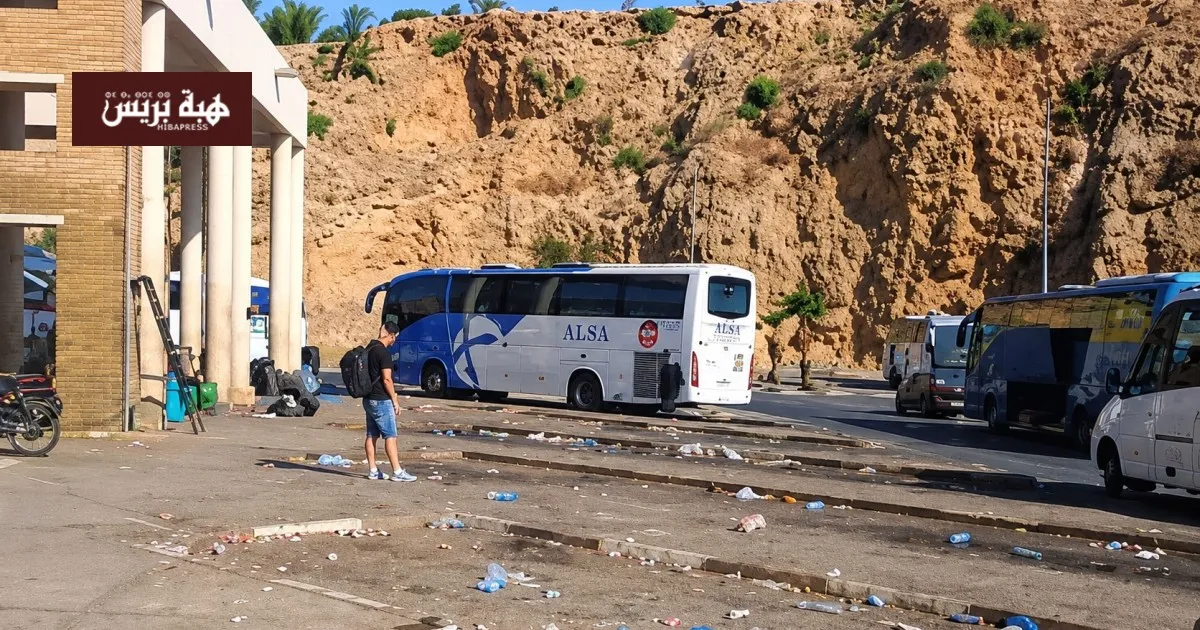
The situation at the bus station in Fez has escalated beyond mere observations regarding cleanliness and organization. Daily occurrences have begun to frustrate travelers and raise serious questions about the management of one of the city’s key facilities that welcomes visitors to the scientific capital of Morocco. The area surrounding the station is marked by disorder, with litter and sanitation issues becoming increasingly prominent, especially during peak periods and holidays when passenger traffic surges.
What stands out most to commuters is the noticeable presence of what locals refer to as 'kourtia'—individuals who intervene and direct travelers outside of official channels. This scenario not only contributes to a chaotic atmosphere but also exacerbates the confusion for passengers, particularly those unfamiliar with the routes and fares. Local stakeholders have begun voicing complaints regarding practices linked to interference with travel choices and pricing, along with encroachments on spaces intended for buses and travelers. Should these claims prove valid, the authorities must take more decisive action to rectify the situation.
The Need for Coordinated Solutions
According to local observers, the issue is not solely about individuals engaging in illegal mediation; it also reflects the capacity of responsible authorities to enforce order within the station and its surroundings, ensuring adherence to regulations governing the operation of this facility. As Fez strives to enhance its image and attractiveness, the persistence of such issues in a station that should serve as the city’s gateway necessitates a serious discussion about cleanliness, maintenance, security, and the organization of bus operations and passenger movement.
Moreover, responsibility cannot rest on a single entity. Addressing this situation requires coordination among various stakeholders, with clear delineation of responsibilities rather than relying on ad-hoc campaigns that quickly fade away only to see the same problems resurface. There is an urgent need for practical solutions, including the digitization of ticket sales, heightened monitoring of the station and its vicinity, the installation of surveillance cameras, organized bus bays and sidewalks, and a stringent approach to any unlicensed mediation or behavior that undermines travelers' rights.
In this context, the local municipal council of Fez also bears responsibility for cleanliness, urban planning, and environmental standards. This obligates elected officials, particularly the council's president, Abdel Salam Boukhali, to provide the public with explanations regarding the measures being taken to improve the status of this facility. The Fez bus station is more than just a waiting area for buses; it forms the first and last impression for thousands of travelers about the city. Consequently, the continuation of disorder, poor sanitation, and illegal mediation not only affects the traveler but directly impacts Fez’s image and standing.
Thus, the pressing question remains: when will the efforts to address the bus station's conditions evolve from temporary campaigns to genuine reforms that place the traveler at the forefront of concern?
As reported by ar.hibapress.com.