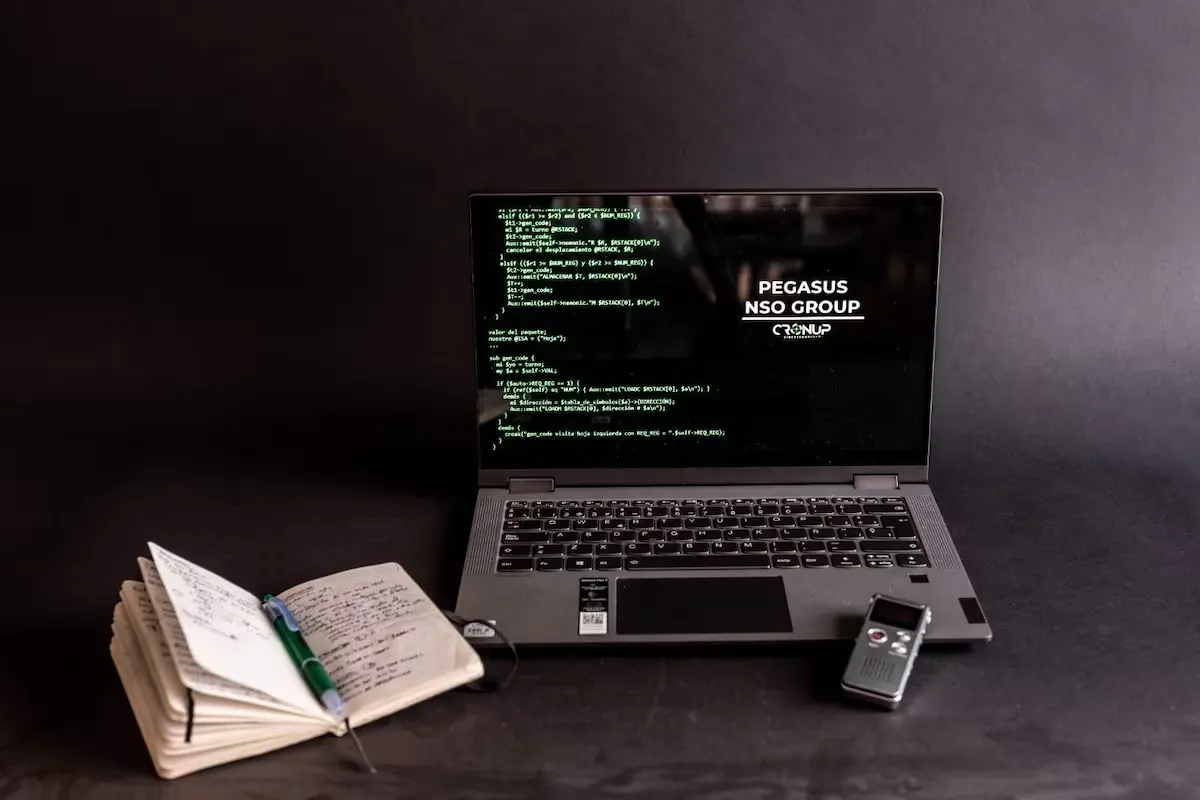
Unveiling the Use of Pegasus Spyware in Paraguay
A recent article from The Guardian has brought to light alarming allegations regarding the extensive use of the infamous spyware ‘Pegasus’, developed by the Israeli firm NSO Group. A former member of Moroccan intelligence, who has chosen to remain anonymous under the pseudonym 'Safir', disclosed critical insights about the software's application, particularly in relation to Paraguay. This revelation raises pressing concerns, especially given previous reports about the spyware being utilized in the country. The details provided by the whistleblower highlight the gravity of the situation and warrant further investigation.
Pegasus is notorious for its ability to grant operators complete control over a target's mobile phone, allowing access to messages, photos, and even the capability to activate the camera without the user's knowledge. According to Safir, the software was regarded as the **“monster’s weapon”**, exclusively reserved for high-profile targets. The whistleblower noted that the deployment of Pegasus commenced in 2017 after a demonstration in Rabat, with indications that the costly software may have been a gift from the United Arab Emirates, shared among allied intelligence services.
Incidents of Espionage Involving High-Profile Individuals
Further investigations have revealed that the spyware’s reach extended beyond Morocco, affecting notable Spanish officials, including President **Pedro Sánchez** and Defense Minister **Margarita Robles**, whose devices were compromised amid a diplomatic crisis in 2021. Reports indicate that over **200 Spanish phone numbers** were targeted by users linked to Moroccan intelligence, including high-ranking members of the Spanish Civil Guard who had traveled to Morocco for counter-terrorism collaboration.
The revelations concerning Pegasus have intensified following Meta's lawsuit against NSO Group in the United States, aimed at holding them accountable for allegedly exploiting the WhatsApp platform to target individuals. In response to these growing concerns, the Biden administration took action by placing NSO Group on its blacklist in November 2021, citing threats to national security interests.
In Paraguay, the discussion around Pegasus has been fueled by expert insights from cybersecurity engineer **Luis Benítez**, who characterizes the software as a **military-grade cyber surveillance tool** that functions as remote-install malware for intelligence purposes. He emphasizes that the sale of such technology is typically restricted to government entities. Benítez further revealed that while there are no clear records of public procurement for Pegasus, there was an attempted purchase by the **National Anti-Drug Secretariat (Senad)**, although it remains uncertain whether the acquisition was finalized.
Moreover, the engineer pointed out that Paraguay has documented evidence of operating similar surveillance software known as **FinFisher**, which has been reportedly functional since 2014, potentially linked to the Ministry of Interior for data gathering through malware. This situation highlights the pressing need for a robust legal framework regulating the use of such technologies in Paraguay, as the absence of clear guidelines raises concerns about potential misuse for political espionage against opposition figures or journalists.
As reported by abc.com.py.