Improved Water Resources in Morocco Amidst Recent Challenges
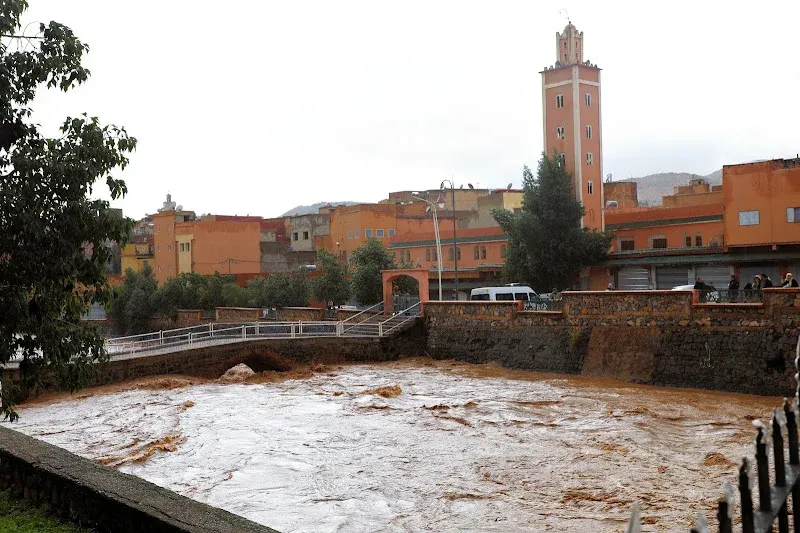
Following consecutive years of drought and water stress, Morocco has begun to witness a significant improvement in its water indicators during the current season. This positive shift has been largely attributed to substantial rainfall and snowfall, rekindling hopes for the restoration of water balance. However, despite the importance of this improvement, questions arise regarding its sustainability and ability to ensure water security in the medium to long term.
Mustafa El Ayssat, an expert in environmental science and sustainable development, emphasized that the kingdom's water resource levels have reached approximately 12.4 billion cubic meters, corresponding to around 71.6% of the total water inflow and reservoir capacity. This figure exceeds the typical "water security" threshold, which generally ranges between 60% and 70%. He also noted that groundwater contributes about 30% to the overall resources and has notably recovered due to the precipitation experienced in the country from September to March.
El Ayssat further explained that the snow accumulated in the Atlas Mountains will serve as a vital additional resource as it melts over the coming months, benefiting both groundwater and surface water, including reservoir capacity. He indicated that this dynamic could elevate water resource levels to about 75% by April.
These indicators represent a "real relief" after years of water scarcity, ensuring adequate supplies for drinking, irrigation, and industrial use. El Ayssat concludes that the current situation fosters a sense of reassurance regarding water sovereignty for at least the next two years.
Economic Implications of Improved Water Resources
Moreover, the enhancement of water resources serves as a crucial economic lever, given the close relationship between water availability and the agricultural sector, which employs over 20% of the population and engages about 40% of the rural populace. According to El Ayssat, a sufficient water supply could bolster agricultural production, particularly for crops like grains and legumes, while reducing reliance on imports, thereby alleviating pressure on foreign currency reserves and strengthening national food security.
Climate expert Ali Sharoud echoed the positive assessment of the current water situation compared to previous years when reservoir levels occasionally dipped to between 25% and 30%, amidst a decade-long drought. He noted that reaching a filling rate of approximately 71% places Morocco within a "water security zone," where resources not only meet immediate drinking and irrigation needs but also allow for the establishment of strategic reserves that can be relied upon for an extended period.
Sharoud attributed this improvement to a series of atmospheric disturbances over recent months that brought significant precipitation and snowfall from the Atlantic Ocean and the Mediterranean Sea. In some cases, these conditions led to reservoirs filling beyond 100%, particularly in the northern and northwestern regions of the country.
Despite these encouraging signs, experts agree that while the current water situation is reassuring, it necessitates the continuation of sustainable resource management policies and the enhancement of water infrastructure to address climate fluctuations and ensure long-term water security in the coming years.
As reported by hespress.com.