
Exploring the Vision of Tawfik Kharira for the Tunisian Literary Scene
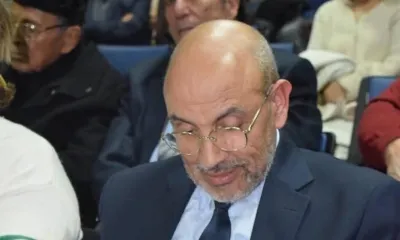
Tawfik Kharira, a prominent figure in the Tunisian literary landscape, candidly expresses his discomfort with overly plush chairs, stating, "I do not find comfort in luxurious chairs." This seemingly innocuous statement reveals a deeper facet of his personality; he is a man who shies away from complacency and does not easily accept ideas that solidify into unquestioned truths. As he engages in conversation, the eloquence of a hidden writer emerges behind the veneer of responsibility, as he carefully selects his words and constructs sentences as if crafting them for publication rather than improvising in response to interview questions.
At the heart of Tunisia's literary scene, Kharira finds himself juggling multiple roles as the director of the National Exhibition of Tunisian Books and the head of the Tunis Institute of Translation. Between a resuming exhibition, a resilient book market, evolving readers, and a publishing industry seeking innovative pathways, Kharira discusses the new developments at the exhibition, its awards, cultural programs, and the challenges of publishing and distribution. His aspirations extend beyond merely translating global literature into Arabic; he envisions a project that propels Tunisian culture onto the world stage.
Innovative Changes at the National Exhibition of Tunisian Books
After a two-year hiatus, expectations are high among authors, publishers, and readers alike. When asked about the innovations prepared for this edition of the exhibition, Kharira notes that international fairs oscillate between the established and the novel, continually evolving the cultural sector. He emphasizes the importance of maintaining successful foundations that highlight Tunisian authors and publishers, creating an exclusive platform for local creators. This year, the Ministry of Culture has dedicated a full section of the exhibition to Tunisian publishers, a gain that they intend to fortify further.
In terms of improvements, Kharira mentions a focus on enhancing presentation mechanisms, striving to showcase books in a manner that reflects their intellectual value. A book, he argues, encapsulates the essence of its author’s thoughts and should be presented attractively to engage readers effectively. Consequently, they have decided to eliminate distractions such as games that might detract from the book's focus, directing attention solely towards literature.
Moreover, Kharira highlights the initiative to provide a comprehensive bibliographic list of exhibited books before the exhibition opens, enabling institutions and individuals to make informed purchasing decisions. On the awards front, the announcement date has been moved to coincide with the exhibition's opening, allowing for immediate recognition of the winning works and creators, which in turn boosts the visibility and sales of the authors involved.
Reflecting on the past two years, Kharira clarifies that this was not merely a bureaucratic delay but a necessary negotiation to align with publishers' schedules and international fairs. The Ministry of Culture had no intention of canceling the exhibition; rather, they utilized this period to expand dialogue and attentively listen to the concerns of publishers and authors, who are the backbone of this cultural event.
Addressing the often-contentious topic of awards and the criteria for selection, Kharira asserts that they welcome constructive criticism, viewing it as a sign of a healthy cultural landscape. They strive for an objective assessment process, and the current judging committees operate under a high degree of confidentiality. Even the exhibition's organizing committee remains unaware of the members, a measure taken to eliminate any suspicions and allow for independent and free evaluations.
Kharira is also keen on adapting the cultural program to reflect the current cultural landscape, moving away from traditional formats. This year, they continue the "Guest State" initiative, celebrating the state of Nabeul, and instead of fleeting lectures, they aim to document live testimonies from local literary figures in tangible forms. The cultural program will also foster interactions between literature and other art forms like theater and cinema, promoting Tunisian literature as a vital contributor to a broader cultural dialogue.
The exhibition’s theme this year, "Read... Life Shines," serves as a clarion call for deep reading that transcends superficial engagement with texts. Kharira emphasizes that while Tunisia ranks high in the Arab and African publishing landscape, the reality of the book market is more expansive than it often appears locally. He underscores that the printed book is not on the verge of extinction but is evolving within the reader's cognitive framework. The challenge lies not in battling technology but in leveraging it to enhance the book experience.
Kharira stresses the importance of fostering a sustainable economic and cultural environment that makes reading a vital and collective investment in awareness. He expresses his opposition to a defeatist narrative surrounding publishing, advocating instead for solutions that address the structural issues within the industry, particularly regarding distribution and marketing. He warns against the allure of free digital content, which undermines the value of both printed and e-books, urging those who cherish literature to support it actively.
In conclusion, Kharira envisions a future where Tunisian literature not only thrives within its borders but also gains international recognition. The translation is not merely a linguistic act but a critical engagement that enriches cultural discourse. The Institute of Translation's strategic approach prioritizes significant works in philosophy, human sciences, and literature that have yet to be translated into Arabic while also promoting Tunisian intellectual contributions in other languages. With ongoing initiatives and pioneering projects, the Institute aims to create a vibrant cultural exchange that transcends linguistic barriers.
As reported by ar.lemaghreb.tn.