
Restoring a Lost Species Through International Cooperation
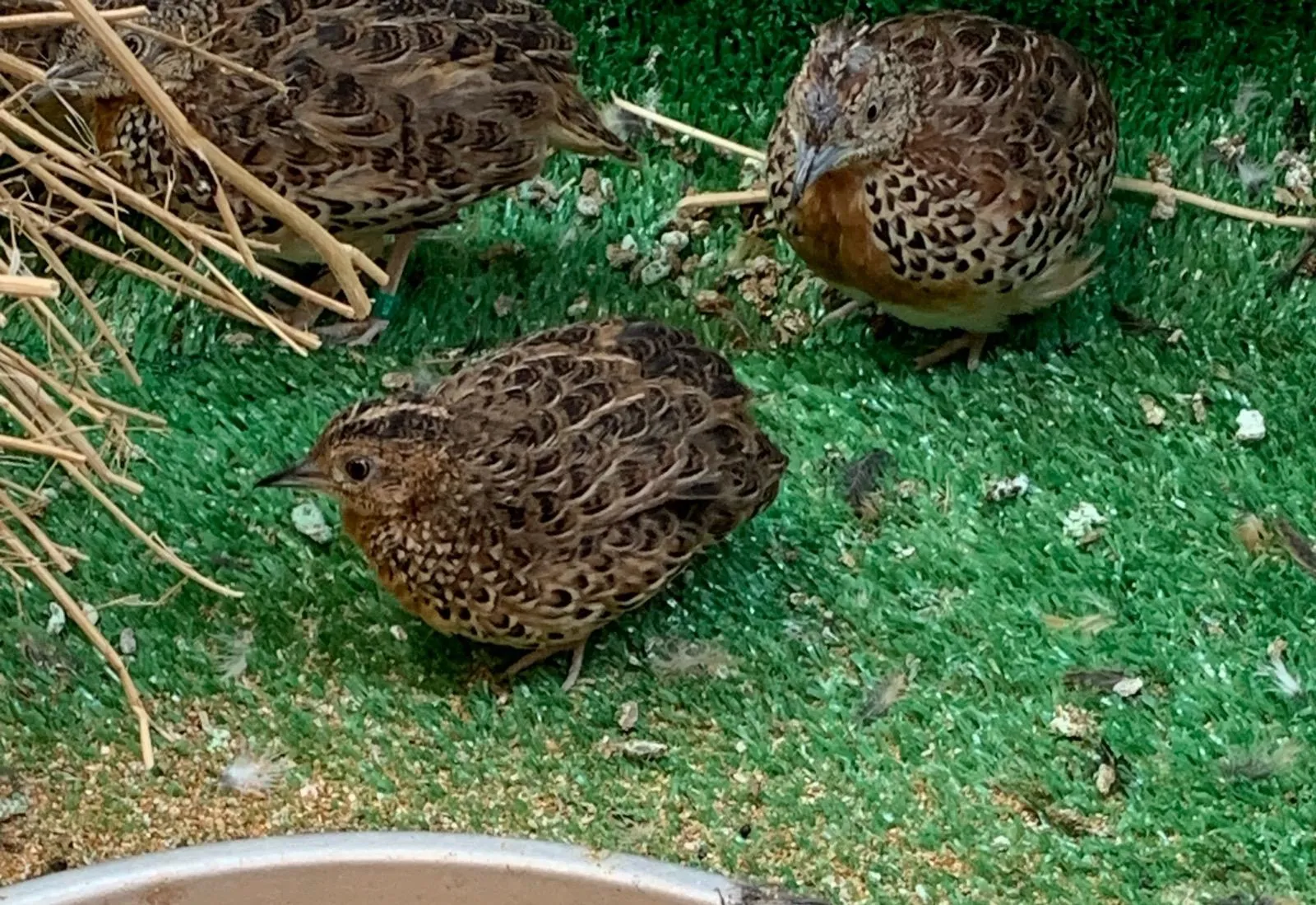
Recent collaborative efforts between Moroccan and Spanish conservation agencies have sparked a promising initiative aimed at the potential recovery of the Andalusian buttonquail (_Turnix sylvaticus sylvaticus_), a species that vanished from the Iberian Peninsula many decades ago. This endeavor is not only focused on re-establishing this bird in its historical habitat in Spain but also aims to bolster its dwindling wild populations in Morocco. The synergy between institutions and conservation specialists, facilitated by the International Union for Conservation of Nature (IUCN), has become increasingly vital in recent years, leading to the inception of a conservation project that began in 2026.
The concerted efforts involve Morocco’s National Agency for Water and Forests (ANEF), Spain’s Ministry for the Ecological Transition and the Demographic Challenge, and the Regional Government of Andalusia. A crucial component of this initiative includes the establishment of a captive breeding program for the Andalusian buttonquail. Field surveys conducted by a dedicated team of experts from both nations have successfully identified a group of birds that are being bred in captivity, with some residing at the Aïn Sebaâ Zoo in Casablanca. The primary goal is to enhance the existing population in the Oualidia region. Additionally, 18 birds were transferred to the Jerez Zoo and Botanical Garden Biodiversity Conservation Centre on September 9, 2026, where they will participate in an ex situ breeding program, as highlighted in a recent press release by the Regional Ministry of Sustainability and Environment of the Regional Government of Andalusia.
Strengthening Conservation Partnerships for Future Success
The arrival of these birds at the Jerez facility signifies a pivotal milestone in a multi-phase project that, if successful, could lead to the reintroduction of the Andalusian buttonquail in regions of Andalusia where it once thrived. This initiative is particularly crucial as the subspecies has been largely absent from the Iberian Peninsula and most of the Mediterranean, with its last known population confined to a small area along Morocco's Atlantic coast, primarily within traditional agricultural landscapes. Thus, collaboration between Morocco and Spain is essential for the species' conservation and survival.
The successful transfer of the birds to Jerez stems from extensive scientific, technical, and institutional collaboration among the involved parties. In November 2024, the IUCN Centre for Mediterranean Cooperation (IUCN Med) facilitated a visit from a Moroccan delegation, which included representatives from ANEF and specialists in various fields including ecology and veterinary science. This exchange allowed for a sharing of knowledge and experience regarding captive breeding, the reintroduction of threatened species, and the management of protected areas. Notable visits during this exchange included the Jerez Zoo and Botanical Garden as well as various conservation centers in Andalusia, where Moroccan and Spanish professionals discussed potential new conservation programs that could be implemented in Morocco, focusing on species such as the African serval and sea turtles.
As Maher Mahjoub, the Director of IUCN Med, articulates, the ongoing dialogue and cooperation encapsulated by this project exemplify the importance of collaborative conservation work. The arrival of the buttonquails in Jerez not only underscores the success of these exchanges but also opens up new opportunities for the recovery of a species long absent from Spain.
According to the authorities in Andalusia, the 18 birds that have arrived in Jerez originated from eggs collected in Morocco, which were carefully incubated and hatched. Following compliance with international veterinary and administrative regulations, these birds were transported via the Port of Algeciras to their new home. This marks the beginning of a new phase, with the Jerez Zoo and Botanical Garden set to develop an ex situ conservation program aimed at establishing a genetically robust breeding group. Furthermore, the Regional Government of Andalusia intends to conduct additional campaigns in Morocco over the coming years to solidify this assurance population.
As Zouhair Amhaouch from ANEF explains, the project encompasses more than merely reintroducing the Andalusian buttonquail to its historical habitat in Spain. It also involves addressing the threats faced by the Moroccan population, thereby enhancing the understanding and protection of the habitats essential to its survival. The initiatives launched in Jerez are envisioned to benefit the remaining populations in Morocco, demonstrating the interconnectedness of conservation efforts across borders.
The collaboration unites multiple stakeholders, including the Regional Ministry of Sustainability and Environment of the Regional Government of Andalusia, Spain's Ministry for the Ecological Transition and the Demographic Challenge, the Moroccan Government, IUCN Med, and various scientific and environmental organizations. IUCN Med’s efforts to facilitate dialogue among these institutions reflect a broader commitment to promoting the exchange of conservation knowledge across Mediterranean countries, reinforcing the vital role of international cooperation in achieving conservation goals. For continued success in the recovery of threatened species, the shared membership of the involved public institutions within the IUCN network allows for meaningful collaboration, adherence to scientific standards, and the pooling of resources and expertise.
As reported by iucn.org.