
International Conference on Critical Methodology in Islamic Heritage
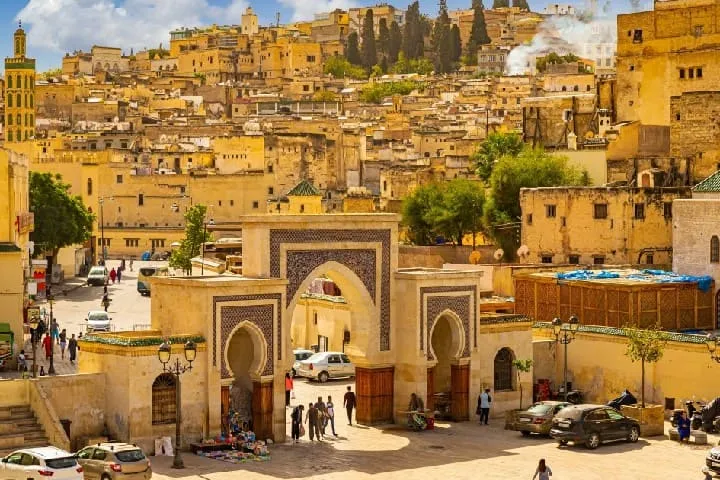
On April 14 and 15, 2026, the Faculty of Sharia in Fez will host a significant international scientific conference entitled "Critical Methodology in Islamic Heritage: The Foundation of Cultural Diversity and Civilizational Construction." This event is organized by the Laboratory of Sharia Sciences, Legal Affairs, and Contemporary Issues, in coordination with the departments of Tafsir, Hadith, Usul al-Fiqh, and Fiqh and Legislation, supported by the college's administration, and the master's programs in Sharia Studies and Issues of Security and Development, alongside Maliki Jurisprudence between Theoretical Foundations and Practical Application.
This scholarly endeavor aims to promote a culture of diversity and acceptance of differing opinions, reflecting the benevolent values of Islam that emphasize human dignity and respect for cultural and civilizational uniqueness within the framework of common humanity. The topic of critical methodology in Islamic heritage serves as a fundamental entry point to highlight the rich civilizational wealth found within Islamic culture, as it paves the way for both individual and collective creativity, reinforcing diversity without undermining essential principles and overarching goals.
The Importance and Relevance of the Conference
The conference emphasizes the importance of a critical culture within Islamic heritage, which is characterized by its diverse scientific domains and its adherence to precise methodological standards that balance textual references with their intended meanings and rationality. This interaction has led to the production of a rich body of critical literature that serves as a scientific reference for addressing various intellectual issues, founded on principles of tolerance, coexistence, and acceptance of differences, thereby supporting the construction of a balanced and integrated human civilization.
The contemporary relevance of this subject is evident in the connection between the critical culture of early Muslim scholars and our current reality, which is increasingly marked by disputes arising from differing opinions. This conference seeks to rectify negative perceptions surrounding Islamic heritage by showcasing the scientific foundations of its critical methodology, which is grounded in sound beliefs and mindful of maintaining a balance between form and content. This ensures a holistic integration of subjective and objective elements without falling into intellectual or behavioral deviations.
The event aims to achieve several objectives, including highlighting the contributions of Muslim critics across various scientific fields, exploring the components of their critical methodology, and demonstrating its impact on fostering a human culture based on coexistence and diversity. Additionally, it seeks to utilize its methodological principles to address contemporary issues.
The conference activities will be divided into three main themes, focusing on the rules and characteristics of critical methodology in religious texts and the foundations of faith, its relationship with cultural diversity in discourse and religious education, and its role in civilizational construction through examples from the Quran and Sunnah, along with the contributions of Islamic scholars to the development of human thought.
The program includes five scientific sessions, along with an opening and closing session, featuring a distinguished group of scholars and professors from within Morocco and abroad, including regional and local scientific council presidents. Notably, the conference will also have international participation, with representatives from the Ministry of Awqaf and Religious Affairs of Oman and King Saud University for Health Sciences in Al-Ahsa.
A specialized scientific lecture titled "Criticism Among Jurists: Between Perception and Practice" will also be presented, aiming to deepen the scientific discussion on this vital subject and enhance the presence of critical methodology in addressing contemporary intellectual issues.
As reported by alalam.ma.