
Significant Price Increases in Live Chicken During Ramadan
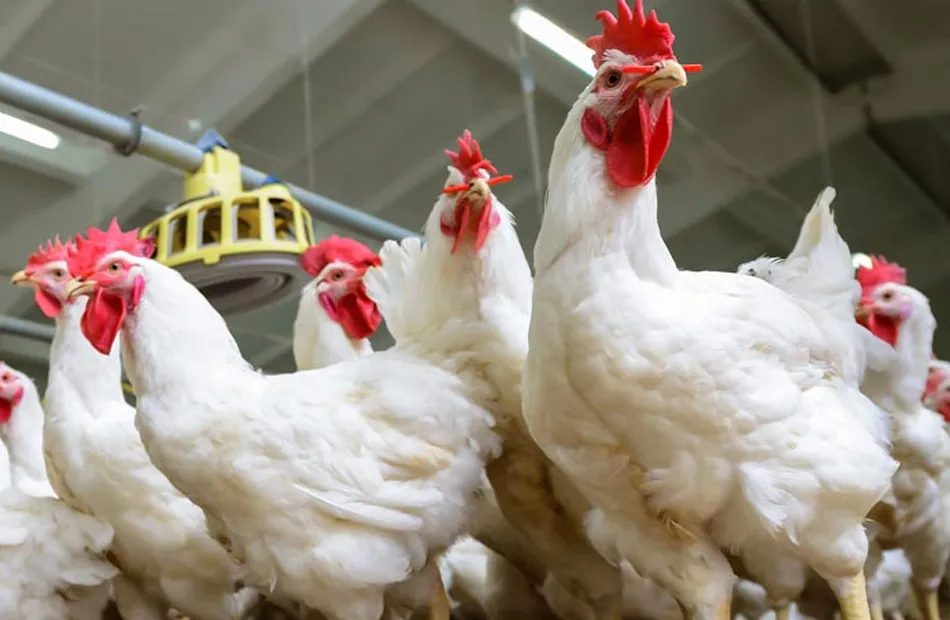
In recent days, Moroccan markets have witnessed a notable surge in the prices of live chickens, with the cost per kilogram reaching 16 dirhams in most cities and even 17 dirhams in certain areas. This sudden price increase has evoked widespread dissatisfaction among consumers, who are struggling to cope with these unexpected hikes. Despite some improvement in market conditions after the mid-point of Ramadan, the pressure on chicken prices has persisted due to various factors including high transportation costs and farmers' reliance on imported feed, presenting a significant challenge for both consumers and producers alike.
Challenges Faced by Chicken Producers
Mohamed Aboud, the president of the National Association of Broiler Chicken Farmers in Morocco, highlighted that a group known as 'farqashiya' has taken advantage of port stoppages to claim that this was the reason behind difficulties in financing some farms with feed, which consequently led to delayed chicken growth and increased prices during the early days of Ramadan. However, the situation has gradually improved over time. Aboud emphasized in a statement to 'Voice of Morocco' that the current selling prices, ranging between 11 and 12.5 dirhams per kilogram, do not cover production costs, which are actually between 15 and 16 dirhams due to poor feed quality and challenging weather conditions. This reality places small and medium-sized farmers at significant financial risk.
Aboud further pointed out that the lack of intervention from the responsible ministry exacerbates the crisis, reflecting farmers' dependence on imported feed, which has seen further price increases due to market disruptions and high transportation costs. Regarding the price discrepancies between cities, he noted that this is a normal occurrence, as farmers located near production hubs bear lower feed costs compared to those in distant regions, where transportation expenses can add an additional 0.25 dirhams per kilogram of feed.
He clarified that production is heavily concentrated in specific areas such as Casablanca and Marrakech, where costs are lower, thereby alleviating some of the price disparities across various cities. Aboud denied any direct influence of Ramadan on prices, explaining that demand for chicken typically decreases during the second and third weeks of the month due to the closure of some restaurants and shops, which leads to a temporary drop in prices before they rise again as Eid al-Fitr approaches. He cautioned that the final days of Ramadan may see yet another price spike due to increased demand, asserting that the sector is enduring a continuous crisis in terms of production costs and reliance on imported feed.
Additionally, Aboud noted that the rise in chick prices from 2 to 7 dirhams in recent days is one of the most pressing issues burdening small and medium producers, as this increase directly impacts production costs and profits. He also warned that the recurrent hikes in feed prices, coupled with poor quality, exacerbate the financial difficulties faced by chicken farmers and pose a substantial challenge to maintaining production stability in the absence of effective governmental protection. He concluded by stressing that the losses incurred by small and medium farmers make it increasingly difficult for them to continue production, threatening the sustainability of the sector and exacerbating regional disparities in prices and production.
As reported by thevoice.ma.