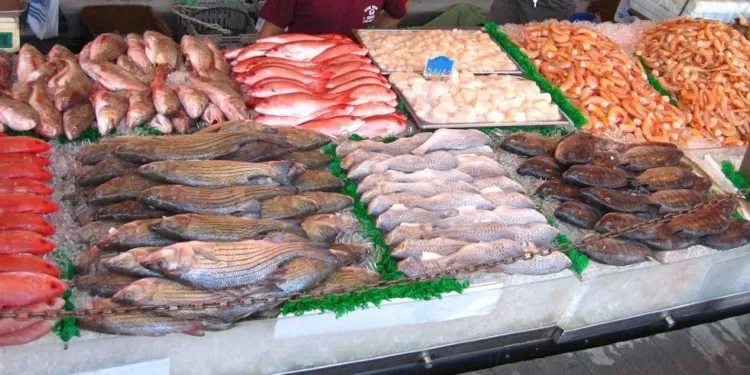

Consumer Concerns Over Soaring Fish Prices in Marrakech
In Marrakech, the conversation surrounding fish prices has taken center stage once again, especially noticeable on Saturday, September 12, 2026. Consumers have been expressing their dissatisfaction as prices for various fish species have seen significant increases. This surge has led to heightened scrutiny regarding the underlying causes, particularly in relation to supply levels, transportation costs, distribution expenses, and profit margins throughout the marketing chain. Among the fish varieties, sardines have captured the attention of Marrakech families, being one of the most consumed seafood options, particularly among low to middle-income households. However, a recent spike in sardine prices has reignited discussions about the future of what has traditionally been known as the 'poor man's fish.'
Market Dynamics and Consumer Impact
Recent data on retail prices in the Marrakech-Safi region reveal that sardine prices fluctuate between 16 to 20 dirhams per kilogram, while mackerel ranges from 18 to 22 dirhams. Prices for other fish such as merlan vary between 60 to 90 dirhams, sole from 80 to 100 dirhams, shrimp between 90 and 110 dirhams, and squid from 100 to 140 dirhams per kilogram. National data indicates that sardine prices have been on an upward trajectory in several areas, with the price per kilogram rising from approximately 13 dirhams to 18 dirhams, hitting 20 dirhams in some neighborhoods. This reflects ongoing disparities between markets influenced by supply and demand dynamics, along with marketing costs.
These developments come at a time when professionals in the fishing industry assert that the fish market is susceptible to numerous factors, including climatic conditions that can impact fishing fleets and catch volumes, along with transportation and distribution costs, particularly for inland cities that rely on supplies from coastal ports. Marrakech exemplifies this situation, as fish must travel long distances before reaching consumers, adding transportation, preservation, and marketing costs to the initial product price. Nevertheless, this circumstance raises legitimate questions among citizens regarding the discrepancies between the sourcing price and the final retail price.
Consumers argue that the issue extends beyond the price increase of a specific fish type; it has become part of the mounting pressure on household budgets. Sardines have historically served as an economical dietary choice for numerous families, providing a source of animal protein at a lower cost than meat. As prices rise, many families find themselves compelled to reduce their purchases or forgo certain types of fish altogether, leading consumers to continuously compare fish prices with those of chicken, meat, and other food products.
Many citizens express their bewilderment at the persistent price increases despite claims of improved supply during certain periods. Recent professional reports noted a drop in sardine prices down to 13 dirhams in some markets due to enhanced supply levels and abundant catches. This variation in prices from one area to another underscores the need for greater transparency in the marketing of seafood products, particularly since consumers often lack sufficient information to understand the price at the source and the added costs during transportation, wholesale, and retail phases.
The continuation of this situation raises questions about the responsibility of regulatory bodies and relevant authorities in monitoring markets, not only from a health perspective but also in terms of adherence to pricing regulations and countering any practices that could contribute to unjustified price hikes. For Marrakech residents, the matter transcends the mere cost of a kilogram of sardines or mackerel, becoming directly linked to purchasing power and the citizens' right to access essential food items at reasonable prices.
As sardines, once emblematic of affordable food for Moroccans, now require careful consideration before being added to shopping baskets, this issue warrants more than a mere acknowledgment of temporary price increases. Instead, it demands a comprehensive analysis of the production, marketing, and distribution chain, as well as an understanding of where the actual price increases that consumers bear are originating. While Marrakech residents await clarity on price trends in the coming days, the question remains whether these price hikes are temporary fluctuations tied to supply and demand variations and climatic conditions, or if they reflect deeper imbalances in how seafood products reach households in inland cities.
As reported by nichanealane.ma.