
Increased Anxiety Over Potential Conflict with Morocco
According to a recent survey conducted by POLITICO, the perception of insecurity regarding Morocco has significantly increased among Spanish citizens. The poll reveals that 58% of the population anticipates that the ongoing tensions surrounding the control of the autonomous cities of Ceuta and Melilla could escalate into an armed conflict within the next decade. This study, carried out by the consulting firm PF Global, also indicates that three-quarters of respondents view Rabat as a genuine threat to Spain's national sovereignty. This apprehension has been exacerbated by the mass border crossings that occurred in late July, which have heightened concerns about the country's security.
The survey highlights that the fear of a potential military confrontation is particularly acute among the younger demographic, specifically those aged 18 to 24, with alarm levels rising to 75% in this group, compared to a mere 47% among individuals aged 65 and older. This distrust towards Morocco transcends political boundaries, with significant levels of concern prevalent among conservative and far-right voters. Notably, over 60% of progressive voters also share these apprehensions. When evaluating the risks to national defense, 80% of participants categorize the Moroccan kingdom as a moderate to significant threat, overshadowing worries related to superpowers such as Russia, the United States, or China. Alarmingly, 17% of respondents believe that Spain could lose territorial control over one or both of the North African enclaves within the next 20 years.
Political Implications and Diplomatic Tensions
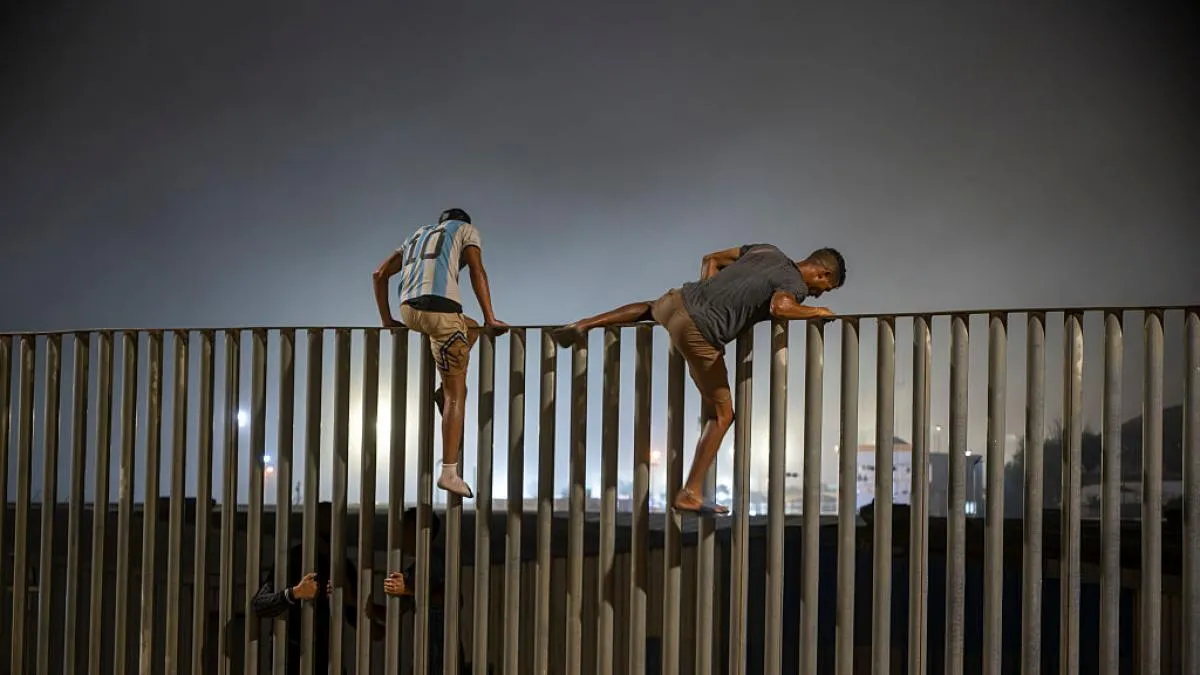
The primary catalyst for this atmosphere of anxiety was the sudden influx of more than 70,000 individuals into Ceuta during the summer, a phenomenon that has tested the management capabilities of Socialist President Pedro Sánchez. His administration has distanced itself from the hardline immigration policies currently under discussion within the European Union. In opposition, conservative leader Alberto Núñez Feijóo accuses the government of concealing the fact that Moroccan authorities may have coordinated this mass movement, a claim supported by police reports and even questioned by factions within Sánchez's own government. Conversely, Sánchez has dismissed any state involvement from Morocco, attributing the situation instead to “migrant mafias.”
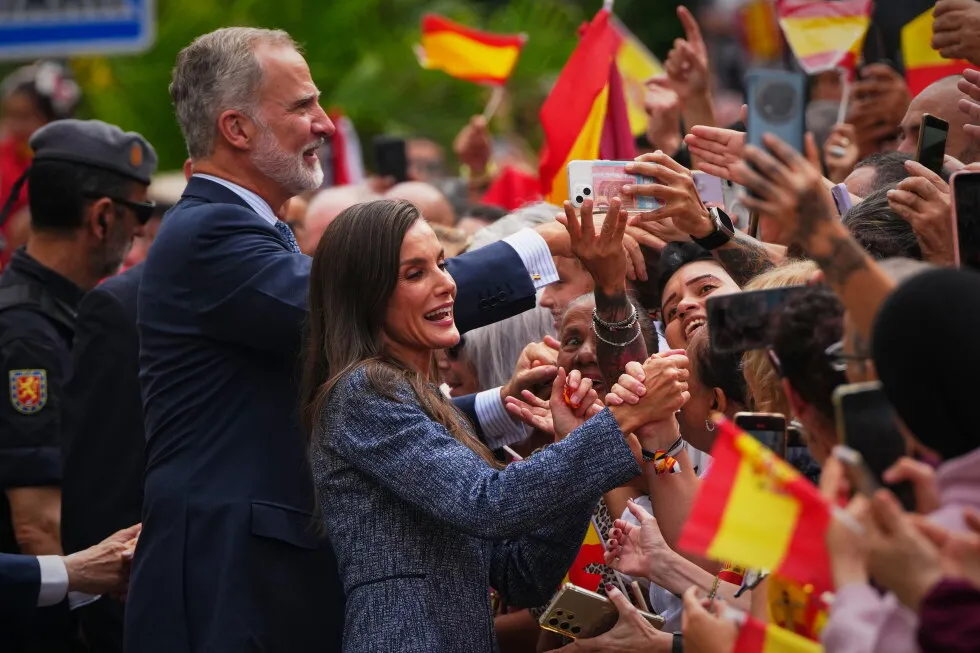
In this sensitive diplomatic context, King Felipe VI is preparing to visit both autonomous cities, marking a notable royal visit that has not occurred in nearly two decades. This visit is anticipated to be scrutinized closely from across the Strait of Gibraltar. During his time in Ceuta, local leaders hope the visit will help mend a “broken city.” The head of state plans to pay respects at the Muslim cemetery of Sidi Embarek, honoring migrants buried there after perishing at the border. Due to Morocco's ongoing refusal to repatriate these bodies, expert analysts have labeled this royal gesture as “a slap in the face” to the Maghreb nation. The king's speeches will be closely monitored by the Moncloa, especially following the Defense Ministry's assertion that both enclaves are “undeniably Spanish.”
So far, Moroccan diplomacy has refrained from commenting on the institutional visit, with the only public statements from King Mohammed VI following the recent tensions warning that the bilateral relationship faces “numerous challenges.” Interestingly, coinciding with the conclusion of the royal tour, protests are already scheduled to take place in the neighboring Moroccan town of Castillejos.
As reported by huffingtonpost.es.