
Uncertainty Surrounds EU-Morocco Trade Agreement Following Ceuta Invasion
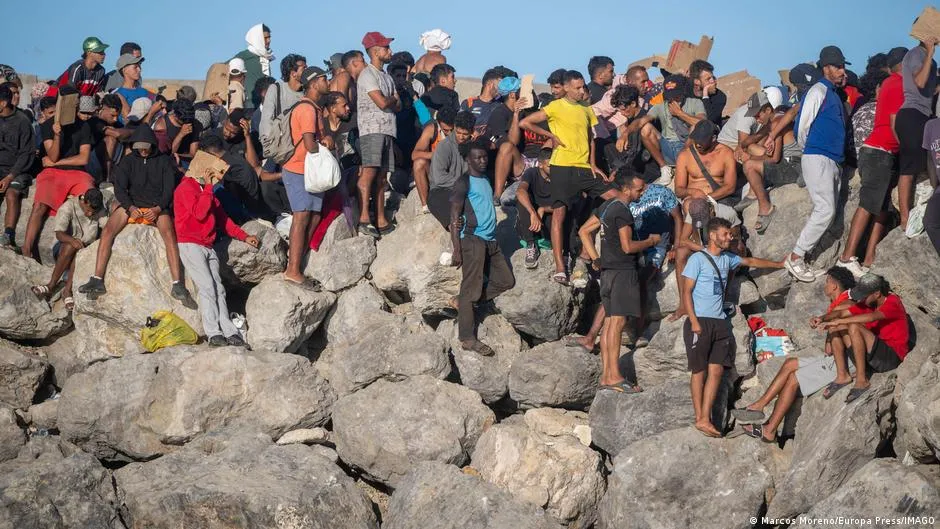
The uncertainty regarding the ratification of the trade agreement between the European Union (EU) and Morocco has intensified following the recent invasion of Ceuta, a Spanish autonomous city located on the African continent. This agreement is currently functioning provisionally after being modified to include products cultivated in Western Sahara under its trade preferences. The ongoing investigation into the assault on Ceuta has led to growing speculation among Spanish farmers that Morocco may have collaborated with the surge in migration as part of a hybrid warfare strategy aimed at pressuring the European Parliament into accepting the modifications made to the agreement without subjecting it to parliamentary approval by October 2025.
Spanish Farmers Call for Rejection of the Trade Agreement
The discontent within the agricultural community of Europe resonates amidst the impending expiration of the provisional application period of the EU-Morocco Association Agreement. Farmers are urging Members of the European Parliament to deny their consent to the agreement, citing unfair competition that benefits Morocco. This sentiment has reached Morocco, where one of Spain's leading agricultural organizations, COAG, and its Secretary General, Andrés Góngora, are being accused of leading a campaign to undermine Moroccan agricultural production. This campaign is perceived as an attempt to leverage regulatory advantages in labor and phytosanitary standards that enhance Morocco's agricultural profitability compared to local production.
Ahmed Bouneama, president of the United Association of Farmers of Souss, expressed his frustration in a conversation with _Hespress_, a prominent Moroccan media outlet that promotes the narrative defended by the Alaouite dynasty. He criticized Góngora's statements that suggested the recent tensions with Ceuta would ultimately lead to increased concessions to the Moroccan government, allowing importers of Moroccan agricultural products greater access to the EU and Spain. Bouneama pointed out that the issue of surrounding Moroccan agricultural products tends to surface especially close to election periods in Spain. He insists that Spanish agricultural organizations are waging a campaign against Moroccan products, a sentiment echoed by other publications like _Rue20_, which has labeled COAG's actions as a 'calculated offensive' against Morocco.
Spanish farmers, as Góngora has claimed for years, argue that the unfair competition fostered by the association agreement with the EU enables Morocco to thrive under labor and health regulations that allow for production costs unattainable within the European legal framework. Meanwhile, Morocco's offensive, orchestrated through powerful statements and media articles, dismisses 'the excuses and justifications that occasionally circulate regarding the alleged non-compliance with health safety standards by Moroccan products.' They are calling on the Moroccan government, represented by the Ministries of Agriculture, Foreign Affairs, and the National Office of Food Safety (ONSSA), to protect African farmers.
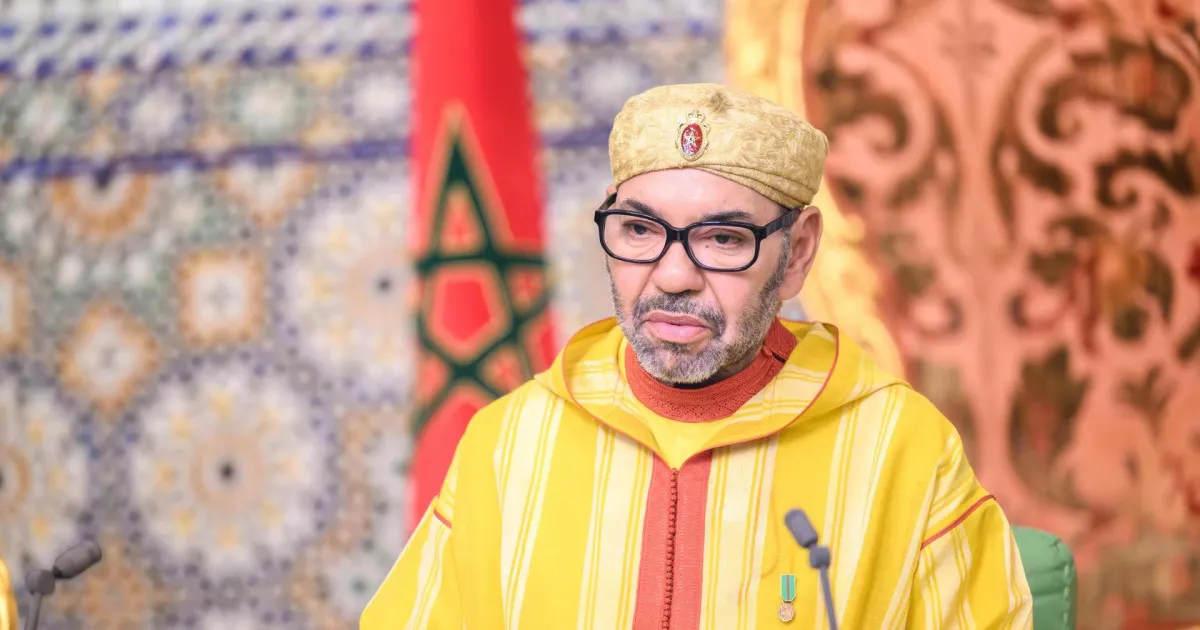
This appeal even includes demands concerning incidents that have not occurred, such as the interception of Moroccan trucks on Spanish roads or pressures on major retail chains to boycott Moroccan products. Ali Bida, a Moroccan producer and exporter operating in the occupied territories of Western Sahara, expressed concerns to the same newspaper, stating that 'some agricultural associations in Spain are working to politicize this matter and exploit current events to sway public opinion and apply pressure on Moroccan products.' The pressure exerted by King Mohammed VI aims to safeguard the EU-Morocco agreement above all else, which, for now, remains intact and is only at risk of rejection in the European Parliament, not from calls for help from the Spanish agricultural sector.
As reported by eldebate.com.