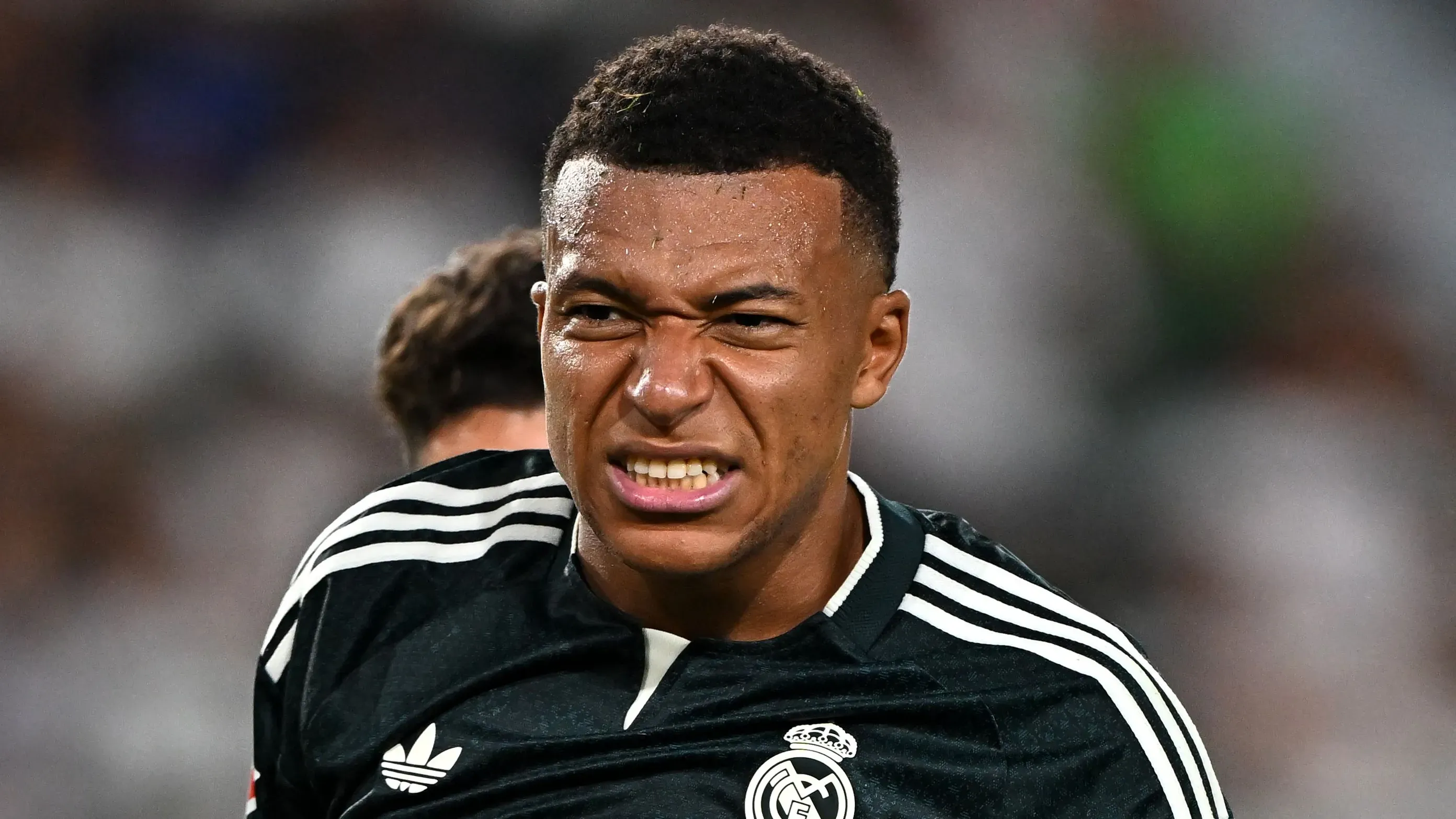

The football community is currently abuzz with discussions surrounding Kylian Mbappe, particularly regarding the mounting criticisms directed towards him and his business dealings in Morocco. As a global figure in sports, Mbappe's every move is scrutinized, and his recent endeavors have proven no exception. The backlash appears to stem from a perception that his ventures may not align with the best interests of local communities and football culture in Morocco.
Critics argue that while Mbappe's influence can undoubtedly bring attention and resources to the region, it also raises concerns about the authenticity and integrity of local football. Many feel that the influx of foreign investment, particularly from high-profile athletes like Mbappe, could overshadow the grassroots efforts vital for nurturing homegrown talent. This sentiment has been echoed by various stakeholders within the Moroccan football industry, who express a desire for a more equitable approach that prioritizes local players and infrastructures.
Furthermore, the controversy has ignited a broader conversation about the responsibilities of international athletes when engaging in business in foreign markets. As public figures, athletes hold significant power, and with that comes the expectation to contribute positively to the communities they touch. The situation surrounding Mbappe serves as a crucial reminder of the delicate balance between commercial interests and community welfare, and how vital it is for athletes to navigate this landscape thoughtfully.
As reported by kooora.com