
Expansion of Drug Trafficking Networks
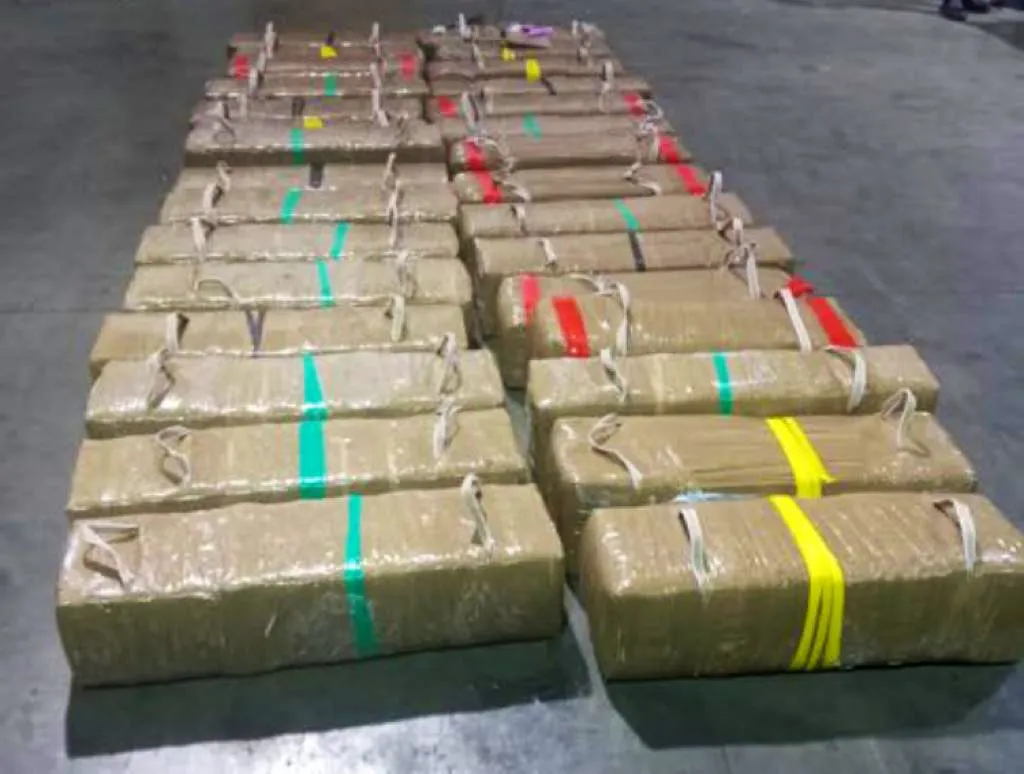
Recent data released on Monday by the Spanish Intelligence Center for Counter-Terrorism and Organized Crime (CITCO) has underscored the alarming growth of Moroccan drug trafficking networks across Europe, alongside a troubling diversification in the types of substances being traded. A report from the newspaper Europa Sur highlights that over the past two years, these networks have intensified their operations, with the latest incident involving the Spanish Civil Guard's Customs and Border Police thwarting an attempt to smuggle 10.2 kilograms of hashish from Morocco at the port of Ceuta. A Moroccan national, who resides in France, was apprehended while attempting to board a ferry destined for Algeciras.
Further incidents in Italy indicate that these networks have expanded their reach and diversified their operations. Specifically, the Italian Carabinieri arrested a Moroccan man and woman in southern Italy, in the area between Capaccio Paestum and Eboli, for their involvement in drug possession with the intent to traffic within cross-border criminal operations. Investigators uncovered approximately 2.4 kilograms of cocaine and crack within their vehicle, and subsequent searches of their residences revealed additional quantities of hashish, marijuana, heroin, cocaine, and crack. Compounding the severity of these operations, authorities also seized three illegal firearms and 280 rounds of ammunition linked to a Moroccan individual.
In another operation in northwestern Italy, authorities arrested a Moroccan national involved in cocaine distribution after a three-month investigation unveiled a significant drug distribution network operating in the Albenga plain area, further emphasizing the extensive involvement of Moroccan nationals in these criminal enterprises.
Significant Drug Seizures and Arrests
The scale of drug trafficking was further illustrated by the staggering seizure of 75.1 tons of hashish in the Spanish province of Cádiz over the course of a single year, highlighting the extensive flow of narcotics from Morocco across the Mediterranean. Consecutive security operations have revealed that Moroccan nationals play key roles in the transportation, storage, and distribution of these narcotics throughout Europe. This data places the Makhzen regime under scrutiny for its apparent negligence regarding the expansion of drug trafficking operations and their repercussions on Mediterranean countries.
In 2025 alone, authorities in Cádiz seized around 75.1 tons of cannabis resin from a total of 198 tons intercepted across various regions of Spain. Furthermore, cocaine seizures within the province reached 8.3 tons, accounting for nearly one-third of the total cocaine seized nationwide. Spanish authorities recorded at least 1,019 arrests linked to drug-related offenses, demonstrating the extensive nature of these trafficking networks.
These figures not only reveal the volume of narcotics being intercepted but also highlight the increasing influx of hashish from Morocco into Spain. Transnational Moroccan smuggling networks are utilizing their profits to fuel a parallel drug economy, while local authorities continue to face the fallout from these criminal activities. The implications of these developments indicate that the operations of these networks extend beyond simple transportation of shipments; they are sustained by intricate cross-border criminal collaborations. The repeated involvement of Moroccan nationals in various roles—from transportation to distribution—alongside their engagement in a diverse array of drugs, underscores the significance of narcotics trafficking as a cornerstone of their parallel economy.
As reported by news.radioalgerie.dz.