
Salaheddine El Manouzi's Continued Exclusion from USFP Candidacy
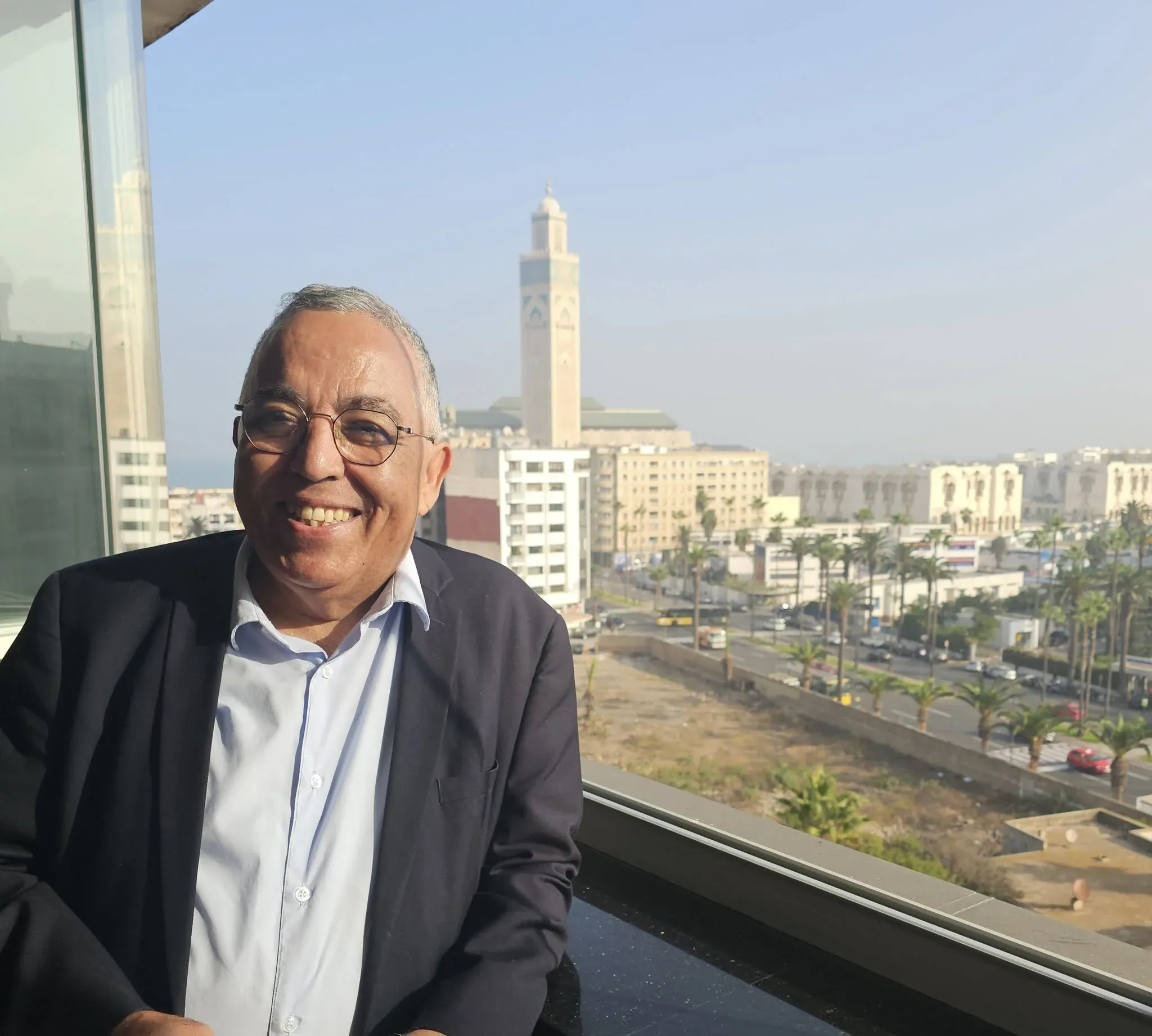
Salaheddine El Manouzi, a prominent figure in Moroccan politics, has found himself sidelined yet again by the Socialist Union of Popular Forces (USFP) as he was not chosen to lead the local electoral list for the Casablanca-Anfa constituency in the upcoming September 2026 elections. This marks the second consecutive election where El Manouzi has been overlooked, following a similar fate in 2021. He expressed his dismay at learning about his disqualification through social media, where the party announced that Latifa Cherif, currently a member of parliament representing Oujda, would take the lead instead. Despite his deep familial and activist roots in the constituency, El Manouzi's aspirations have once again been set aside, raising questions about the party's internal dynamics and candidate selection process.
In an interview with Yabiladi, El Manouzi shared insights into the discussions he had with party officials prior to the decision, revealing that he was questioned about the number of votes he could potentially secure in the elections. He characterized this inquiry as loaded, emphasizing that electoral support cannot be presumed but must be earned through genuine engagement with constituents. He highlighted the historical significance of the constituency, which has traditionally leaned left, and pointed out that the USFP has long been a significant player in local governance, particularly in Sidi Belyout. El Manouzi's insistence on the party's reliance on local support underscores the disconnect he perceives between party leadership and grassroots realities.
El Manouzi's Commitment to Representation and Political Legacy
El Manouzi's candidacy was strongly tied to representing Moroccans living abroad, as he resides in Amiens, France. He believed that his background could be beneficial for the party, potentially leading to a substantial increase in public funding while also bringing a candidate with a rich legacy in civil society back into the spotlight. His roots in Casablanca’s medina and his family's history of activism, including his father, a key figure in the Moroccan resistance, and his brother, a trade unionist who disappeared under mysterious circumstances, further fuel his commitment to public service. He views his political ambitions as a continuation of his family's dedication to civic engagement.
El Manouzi articulated that his exclusion reflects deeper issues within the USFP, including a lack of adherence to democratic principles and ongoing tensions regarding leadership decisions. He speculated that the historical memory of past political repression and current disagreements over party management have contributed to his sidelining. Furthermore, he criticized the concentration of power within the party and the lack of accountability regarding the use of public funds. He advocates for a transformative approach to party politics, calling for reforms that would enhance internal democracy and honor the legacy of past activists who have shaped the USFP's history.
In conclusion, Salaheddine El Manouzi's experience highlights the complexities and challenges facing political candidates within established parties, particularly as they navigate issues of representation, internal democracy, and the legacy of activism. His commitment to engaging with both local constituents and the Moroccan diaspora remains a significant aspect of his political narrative as he continues to advocate for the values that he believes the USFP was founded upon.
As reported by en.yabiladi.com.