
Sánchez's Call for Accountability from Morocco
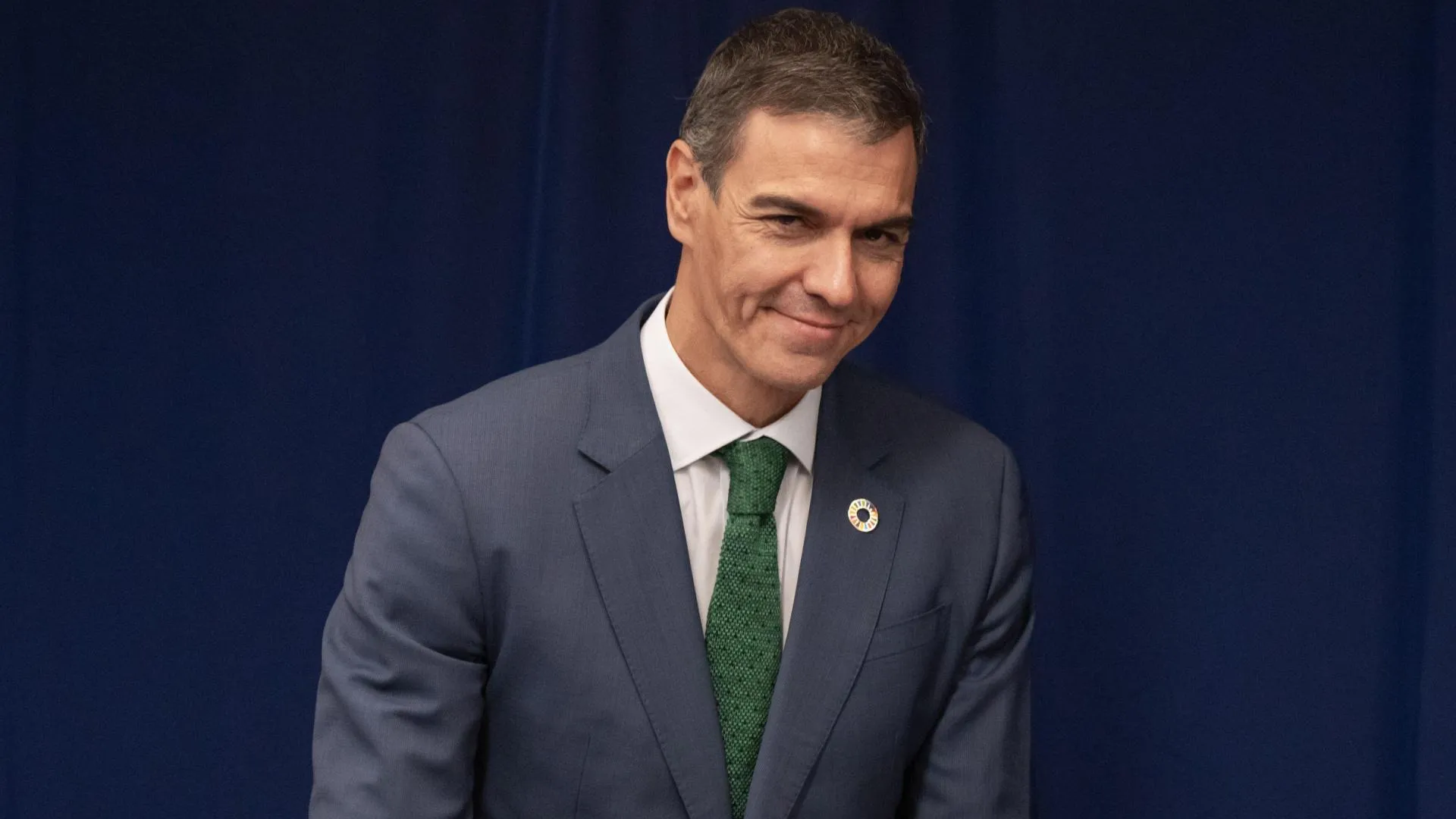
In a recent interview with CNN during his attendance at the United Nations General Assembly in New York, Spanish Prime Minister Pedro Sánchez publicly articulated his demand for "responses and measures" from Morocco following a significant border crisis that occurred in late July. Sánchez pointedly highlighted failures in the neighboring country's surveillance mechanisms, which he believes contributed to the crisis. He noted that, despite ongoing bilateral cooperation, Spain has formally requested explanations regarding the mass entry of migrants into Ceuta on July 30 and 31. "We are investigating what happened on those days, but we have also asked Morocco for answers because it is clear that their border control failed," Sánchez emphasized, adding that there is an expectation for actions and responses from Rabat.
Criticism of European Solidarity
During the same televised appearance, Sánchez did not shy away from criticizing his European partners for their lack of solidarity during the migration crisis. He reminded viewers that Spain has two autonomous cities on the African continent, which provides it with legitimacy to seek solidarity from the European Union. "We suffered the lack of solidarity from many of these governments during the crisis," he lamented, highlighting the need for a more cohesive response to such challenges. This diplomatic situation has sparked a profound analysis of Spanish-Moroccan relations on the program 'Herrera en COPE', where experts underscored the necessity for both nations to work together to ensure stability and effective border control. The management of such episodes underscores the vulnerability of border delineations when agreed-upon containment measures between nations falter.
The crisis began at the end of July 2026, marking one of the most significant migration and geopolitical episodes in Spain's recent history. Taking advantage of periods of reduced surveillance, between 70,000 and 80,000 individuals entered the territory swimming from the Moroccan coast of Fnideq, an action interpreted by analysts and the European Parliament as a hybrid warfare maneuver and a form of diplomatic pressure. Although approximately 90% of those who entered returned to Morocco shortly afterward, the sheer volume of arrivals overwhelmed any legal and operational forecasts. In response to these events, Sánchez initially described the situation as a "violation of Spain's territorial integrity," prompting urgent containment measures.
As reported by cope.es.